Dozens of organisations from across the New Forest are inviting people to take part in the New Forest Awakening Festival running throughout March 2026.
Led by the New Forest National Park Authority, the annual festival shines a spotlight on the extraordinary landscapes, wildlife and traditions that make the New Forest so special. It also highlights the small but meaningful actions we can all take to help protect it, alongside the work being done locally to address the twin climate and nature crises affecting the National Park.
This year’s Awakening Festival features a packed programme of inspiring, hands-on events for all ages. Highlights include guided walks and talks with wildlife and nature experts, film screenings, creative workshops and art activities, farm experiences, repair cafés, litter picks and opportunities to meet local food producers.
Participants can explore sustainable woodland management and coastal conservation projects, learn more about the centuries-old practice of commoning, find out the impacts of climate change on British wildlife over the past 200 years, and the importance of amateur ‘nature diaries’ in charting these changes.
New Forest rangers will be leading a series of walks exploring the area’s rich nature and heritage, and how we can work together to safeguard this internationally important landscape.
As part of the festival, the National Park Authority will announce the winners of its annual Building Design Awards – including the ‘Best Green Building’ category. A special National Park Open Day at Lyndhurst Community Centre on 22 March will also give visitors the chance to take part in fun activities, attend talks about the secrets of the National Park, meet staff and discover more about the Authority’s work.
The New Forest is one of the UK’s most treasured landscapes. More than half of the National Park is internationally designated for its importance to nature, with many areas holding the highest possible conservation status.
It is home to the largest area of lowland heath in Western Europe, shaped over centuries by the free-roaming animals. Commoning – the traditional system that allows local people to graze ponies, cattle, sheep and pigs on the open Forest – remains vital in maintaining the New Forest’s distinctive habitats.
These rare heathland and wetland environments provide a sanctuary for wildlife, supporting species that are in decline elsewhere in the UK. Ground nesting birds such as the curlew, Dartford warbler and nightjar thrive here. All six of the UK’s native reptile species are found in the New Forest, alongside 75% of the nation’s dragonfly species and more than 2,700 types of fungi.
However, hotter, drier summers and warmer, wetter winters are placing increasing pressure on these fragile landscapes. The global nature crisis – driven by land use change, pollution and urban expansion – is being intensified by climate change, affecting both the distribution and numbers of wildlife species.
Since its launch in 2021, messages from the New Forest Awakening Festival have reached millions of people, with hundreds of thousands engaging through events and social media. Each year, the festival continues to grow as more partners and community groups get involved.
Victoria Mander, Chair of the National Park Authority said: ‘Protecting the National Park for future generations takes a collective effort. The New Forest Awakening Festival celebrates what makes this place so special while empowering people to take positive action.
‘It’s a fantastic community-led programme with opportunities to connect with nature and discover what’s already happening near you to support nature recovery and tackle climate change.’
The full New Forest Awakening Festival 2026 programme – with new events added regularly – is available at: www.newforestnpa.gov.uk/awakening
Follow @newforestnpa on Facebook, LinkedIn and Instagram for the latest updates and event announcements.
-Ends-
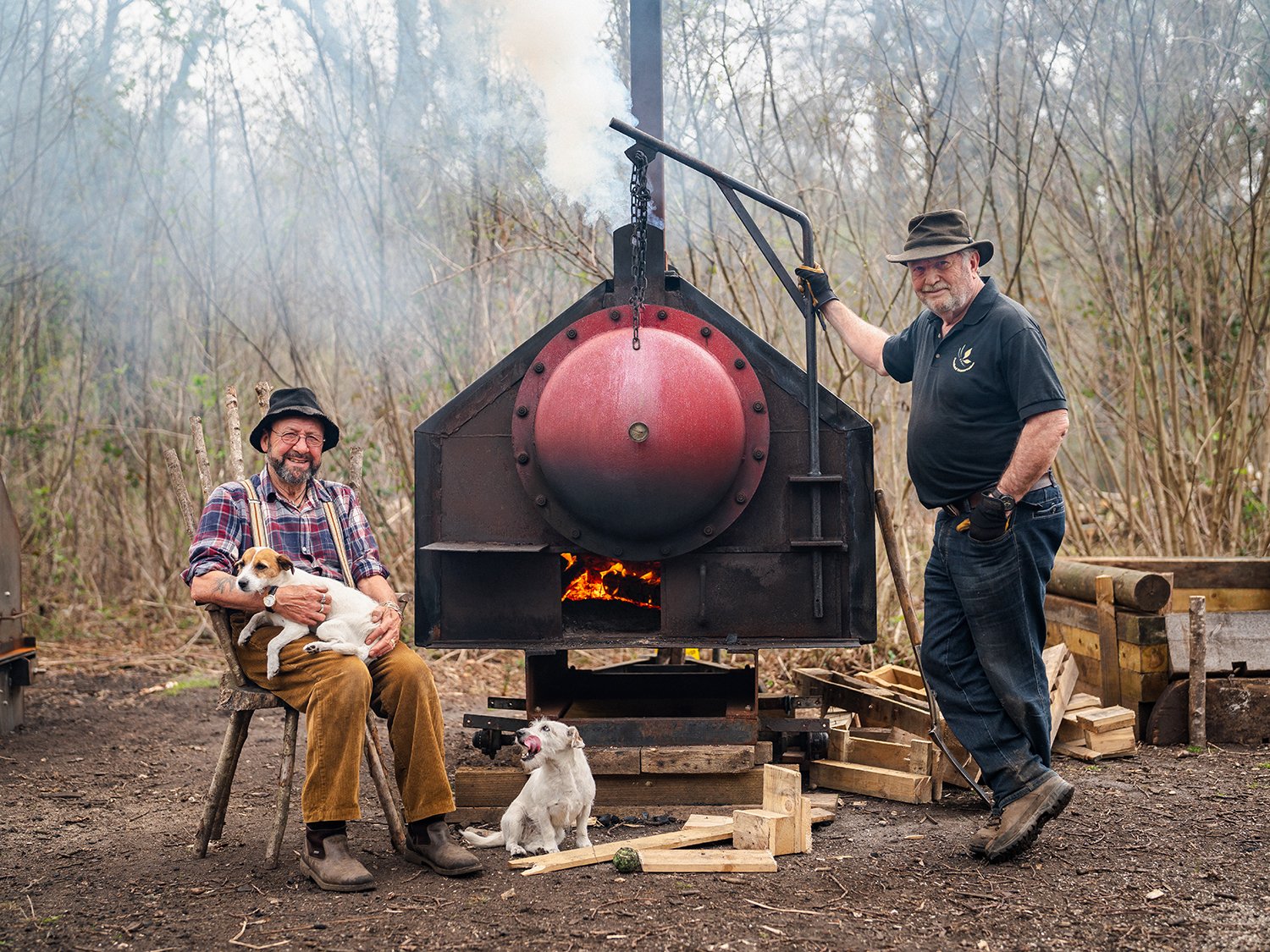
Photo of sustainable charcoal production at Pondhead by Steve Poole