New Forest Land Advice Service
A service for the land managing community in and around the New Forest and Avon Valley hosted and part-funded by the National Park Authority with the Hampshire and Isle of Wight Wildlife Trust.
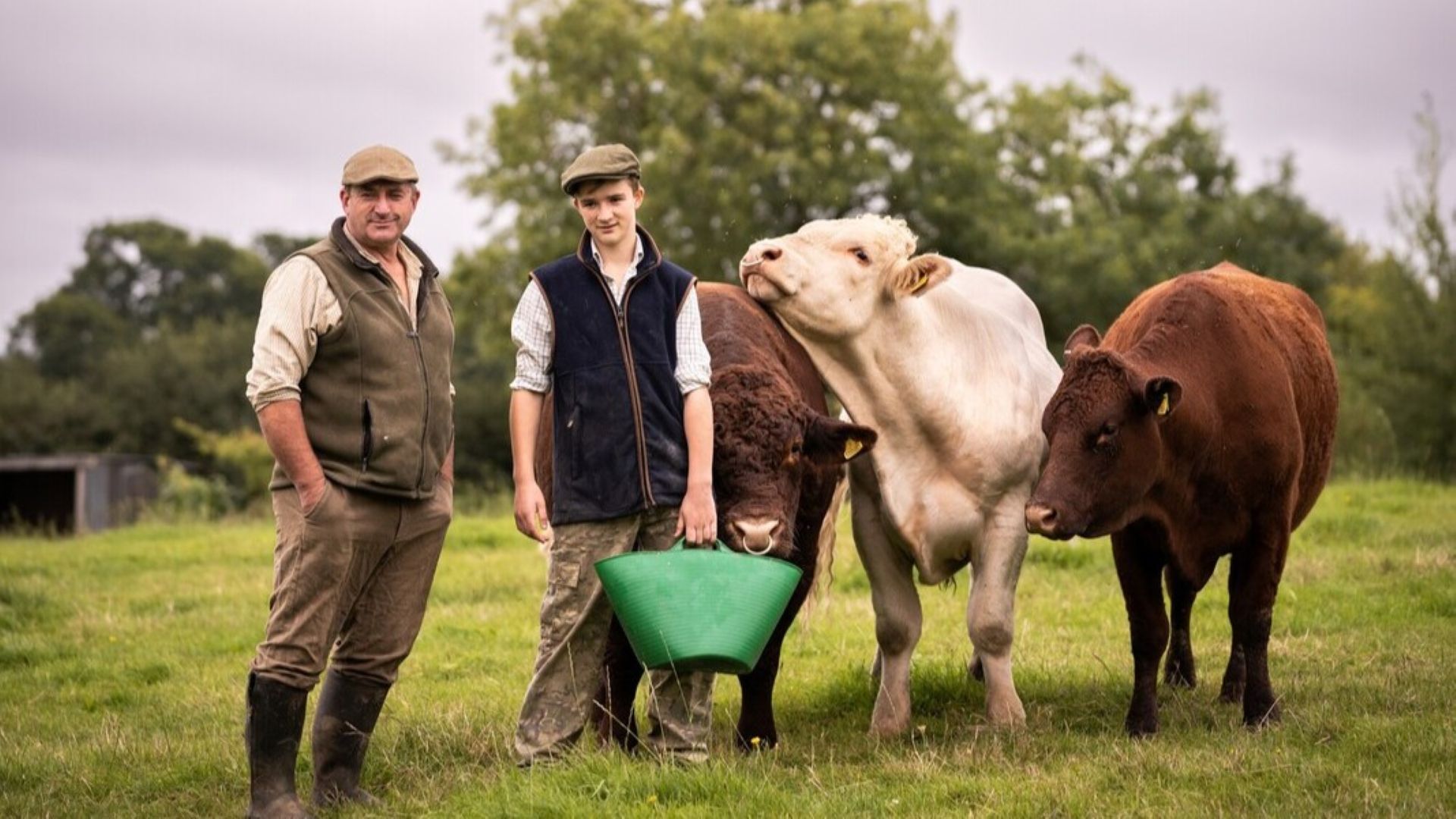
The system of management that commoning represents has ensured that the New Forest maintains a special cultural heritage and a complex mosaic of habitats at a scale found nowhere else in western Europe. These support many rare and unusual species now uncommon elsewhere in England.
Yet the future of commoning, which is central to the Forest’s ecology and character, is under severe, many would say existential, threat.
Find out how we’re working with partner organisations to ensure commoning can thrive alongside rising neighbouring populations and visitors, a vibrant and important economy, increased traffic, and higher land and house prices.
Commoning in the New Forest stretches back over 1,000 years but is now facing a number of challenges that threaten its future and could bring this way of life into question. Many believe the commoning tradition is on a cliff-edge.
The Government-backed Higher Level Stewardship scheme which supports commoning will end in 2028 and its replacement is currently unclear.
The income from commoning is often small and almost all Commoners have other sources of income. They may work in other Forest related occupations, such as forestry, as farm labourers or cattle dealers or they could be council workers,
teachers, nurses, solicitors, shop workers or carpenters.
The New Forest is the most expensive National Park in the UK with an average house price of £576,000 (Nov 2024, Nationwide).
Many properties with commoning rights are bought as retirement or holiday homes or by people who do not want to maintain the commoning tradition.
Alongside changes in agricultural support and the challenges of managing free roaming livestock in a landscape with 34,000 residents there is a real threat to commoning from land use change.
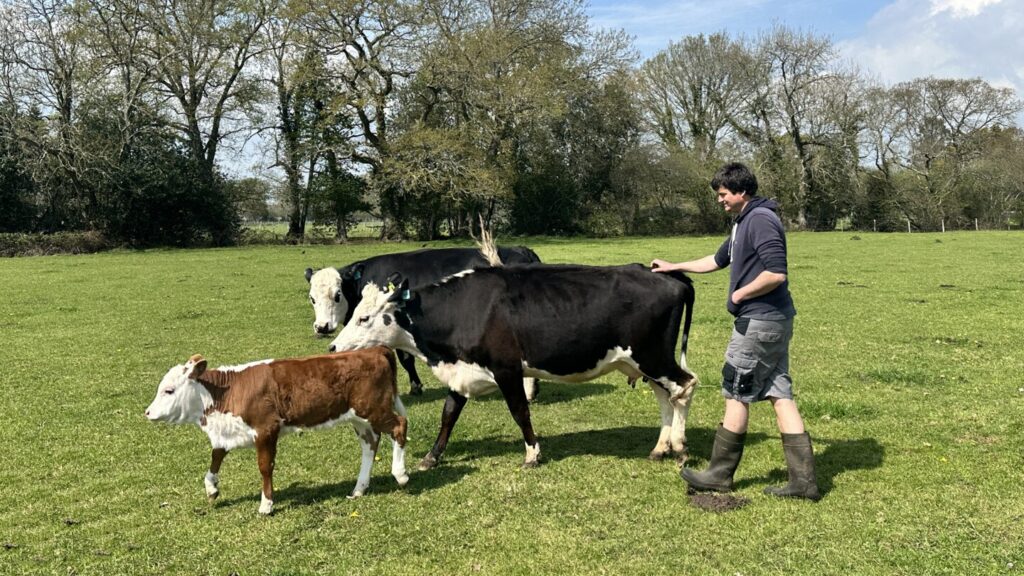
Back-up land is the agricultural land off the open forest where sick or injured animals are removed, ponies and cattle can be kept over the winter and given supplementary feed, and hay can be made in the summer.
The rising price of land in the New Forest is making it difficult for commoners to find affordable back-up grazing, and even harder for new and young commoners to establish themselves. Agricultural land is in short supply and often too expensive to rent or buy. The little back-up land available is either not near a commoner’s smallholding or they have been priced out from higher value land uses such as housing development or recreational horse keeping.
Changes to government policy over the past few years, including biodiversity net gain, nutrient neutrality and other schemes, could also further reduce the amount of land available for back-up grazing.
The National Park Authority is the local planning authority for the area and is currently reviewing its Local Plan suite of planning policies. Recent evidence on the importance of grazing land is an important consideration in the preparation of the revised Local Plan.
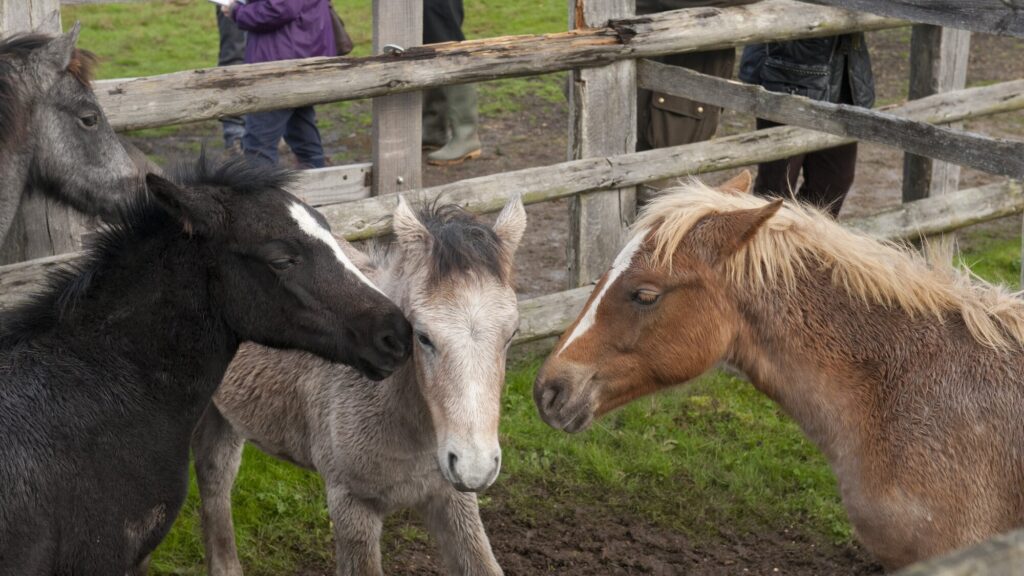
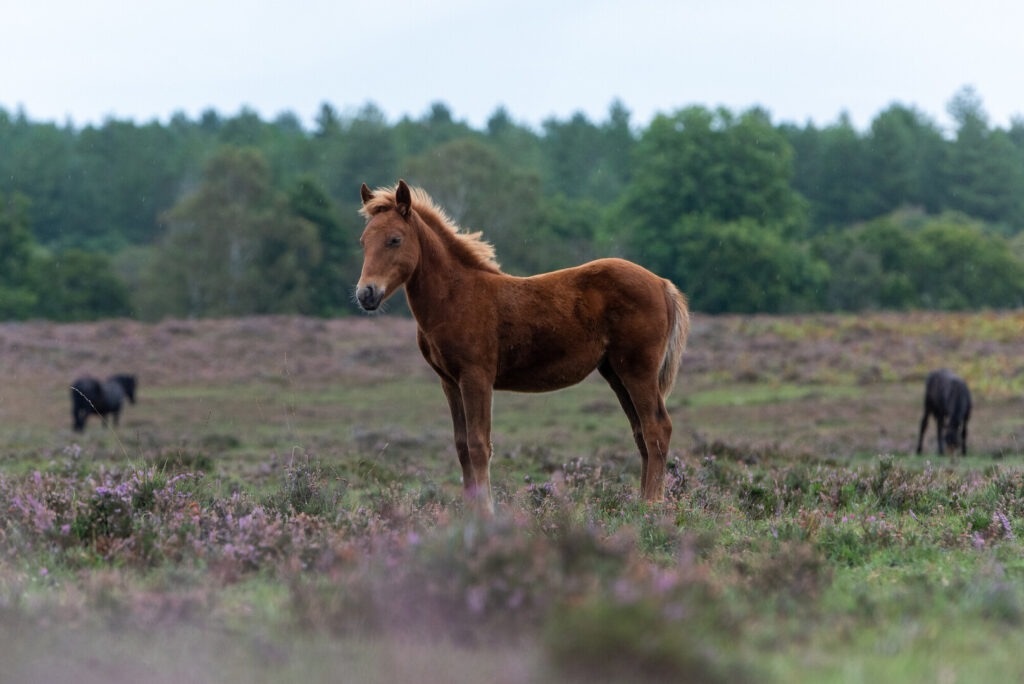
New Forest ponies have grazed the area for many thousands of years, since before the end of the last Ice Age. The New Forest pony is classified as a rare breed and is know for its hardiness, versatility and gentle nature. They were registered as a rare breed in 2014 as their numbers were dwindling with the number of foals being born dropping significantly which also threatened the diversity of the ponies’ gene pool.
With around 15 million visitor days each year in the Forest, the demands that come with them poses another serious threat to commoning.
Respecting the animals who are on the Forest is of utmost importance and educating the public about the dos and don’ts when encountering livestock remains an ongoing battle.
Issues range from animal accidents to feeding and petting the livestock which changes their behaviour and can put them in danger. Other issues range from littering to dog attacks and putting harmful garden waste where animals can eat it.
Livestock has been managed by people on this ancient landscape for more than 1,000 years, which is longer than the Maori have been in New Zealand. The Chair of the Commoners Defence Association (CDA) recently described his community as ‘probably the last remaining tribe left in Britain’. To have this way of life and unique English cultural heritage is incredibly special.
No other groups of people exist in England that have such a strong and long-held connection to a place, with a distinct identify from the general population, with its own traditions, culture and dialect. They have a rich cultural heritage of skills, knowledge and values.
The majority of commoners are aged 50+, including those with the larger cattle herds which are particularly important for conservation grazing. Maintaining a cattle herd is a considerable time and financial commitment which may become increasingly unattractive as the pressures on commoning increase. These pressures include the increasing costs and regulations associated with livestock ownership, the availability of land for back up grazing, the cost of housing which drives younger commoners further from the forest, and the lack of support from agri-environment schemes.
Commoning and commoners have always remained a constant, stock has been depastured on this ancient landscape for more than 1,000 years, which is longer than the Maori have been in New Zealand. The commoning community is probably the last remaining tribe left in Britain. No other groups of people exist in England that have such strong connection to an area, with its own traditions, culture and dialect… For commoning to exist, we need a future that is financially viable.
Commoners Defence Association Chair Andrew Parry-Norton
Planning policies include measures to ensure an adequate supply of backup grazing land is available for Commoners when they need to take their livestock off the Open Forest and to protect grazing land.
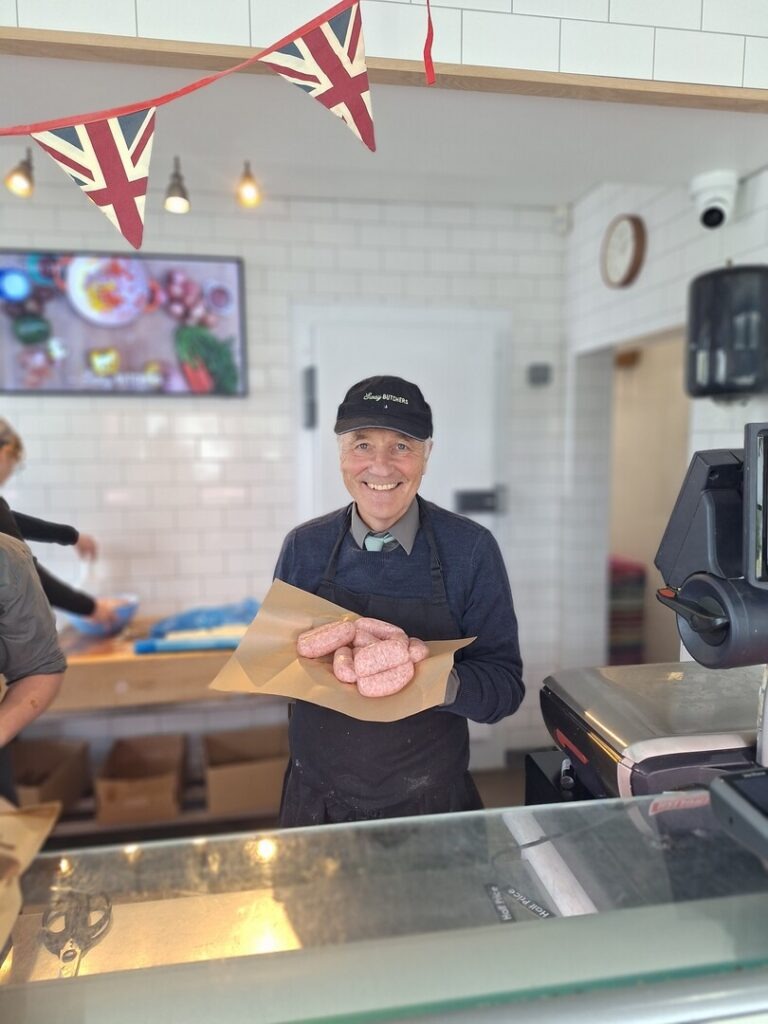
The National Park Authority helps fund and provide support for the New Forest Marque local produce scheme, supporting rural businesses including traditional commoning
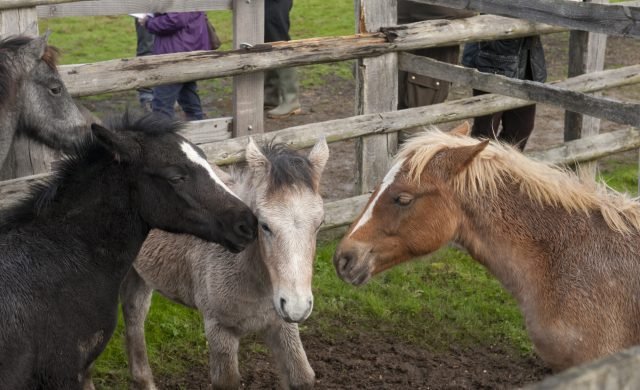
The New Forest Commoners Defence Association was established in 1909 and works in support of Commoners and their animals grazing on the open Forest.
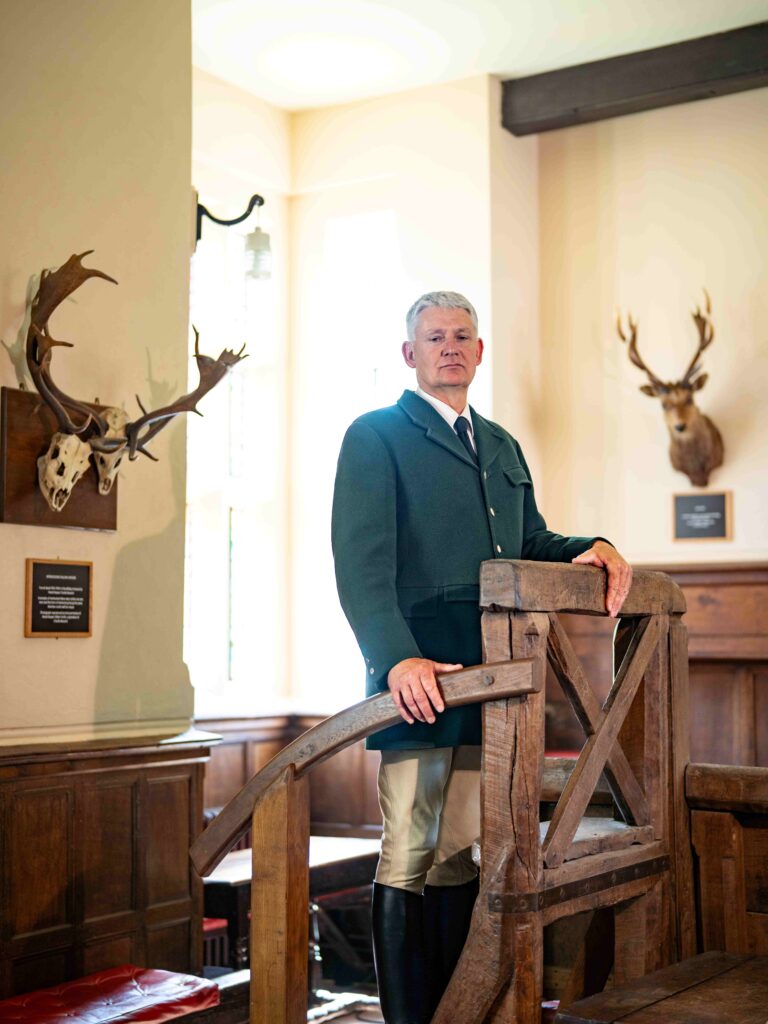
The Verderers of the New Forest oversee commoning, regulating and protecting Commoners’ interests and preserving the natural beauty and character of the Forest.
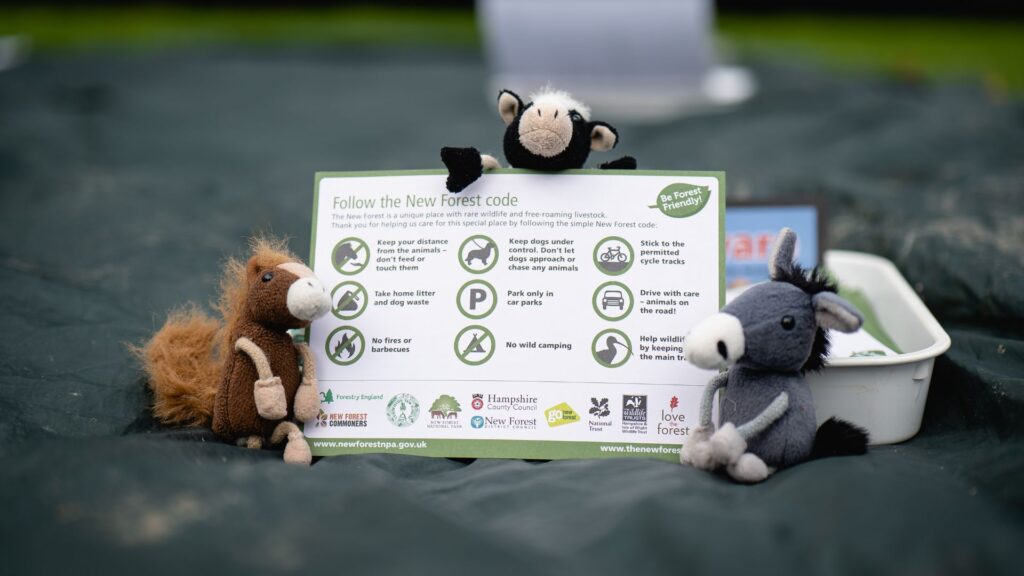
Keep your distance from the animals and don't feed or pet them - you may be fined.
Keep your distance from the animals and don't feed or pet them - you may be fined.
Keep your distance from the animals and don't feed or pet them - you may be fined.
Keep your distance from the animals and don't feed or pet them - you may be fined.