10 November 2025
Woodland, boggy mires, heathland, meadow, wetlands and streams were improved to boost and strengthen habitats, while helping them become more resilient to pressures such as climate change.
Experts created new meadows, wetlands and ponds, cleared invasive species and conducted wildlife surveys to assess the best way to allow as many species as possible to thrive.
The project saw how the sharing of expertise and knowledge could speed up decision-making and result in having a clear, direct and positive impact on nature in the New Forest.
Monitoring sites before, during and after work was – and continues to be – crucial to assess how effective interventions on sites have been for the Species Survival Fund project.
Surveys carried out by Wild New Forest recorded the range of species and habitats on a number of sites, before advising on the specific work required to increase biodiversity and help existing species to be successful for years to come in the Forest.
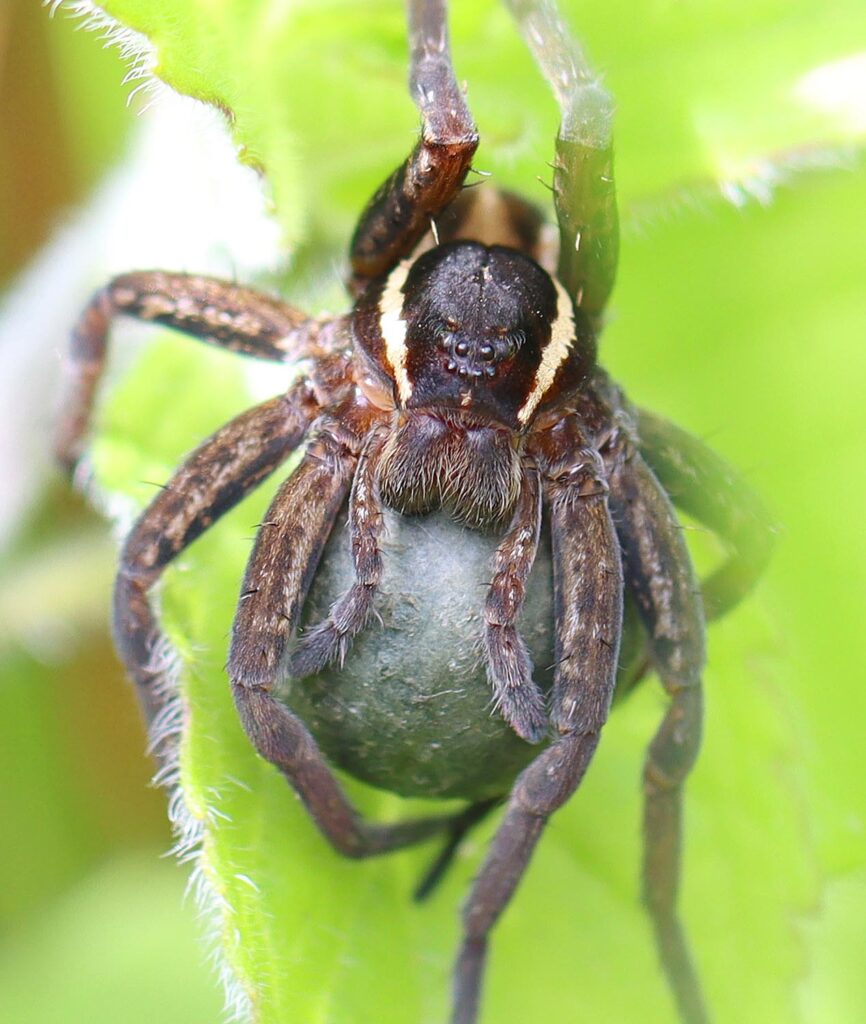
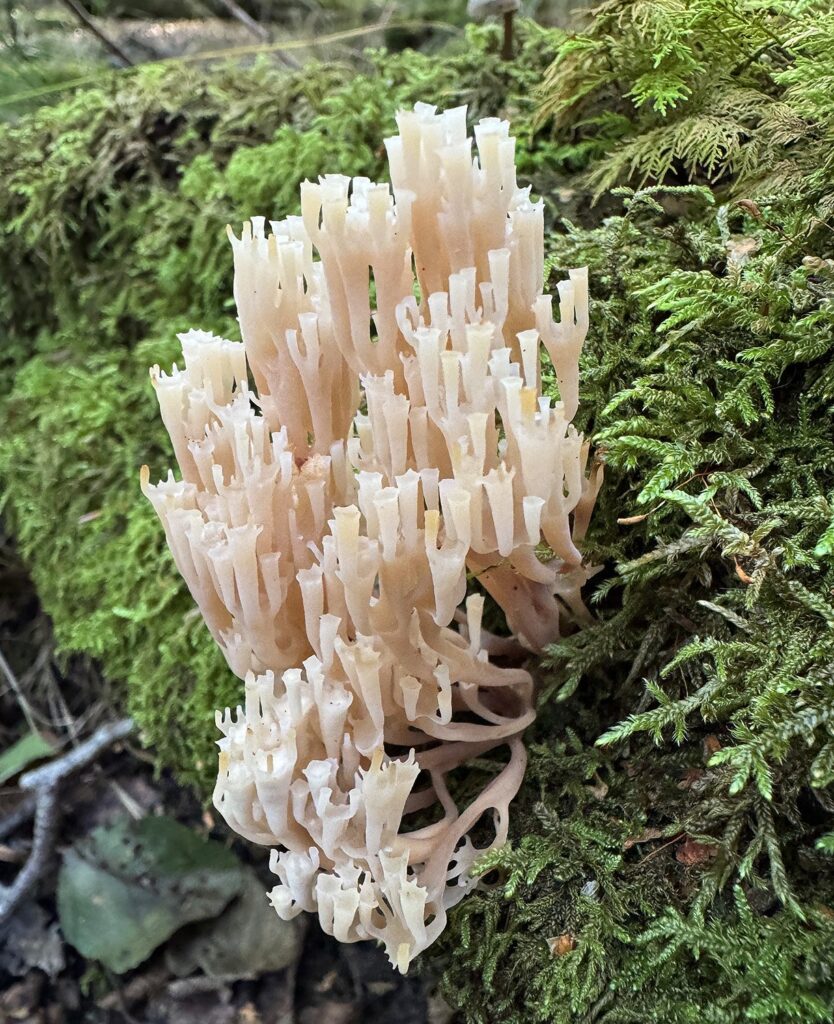
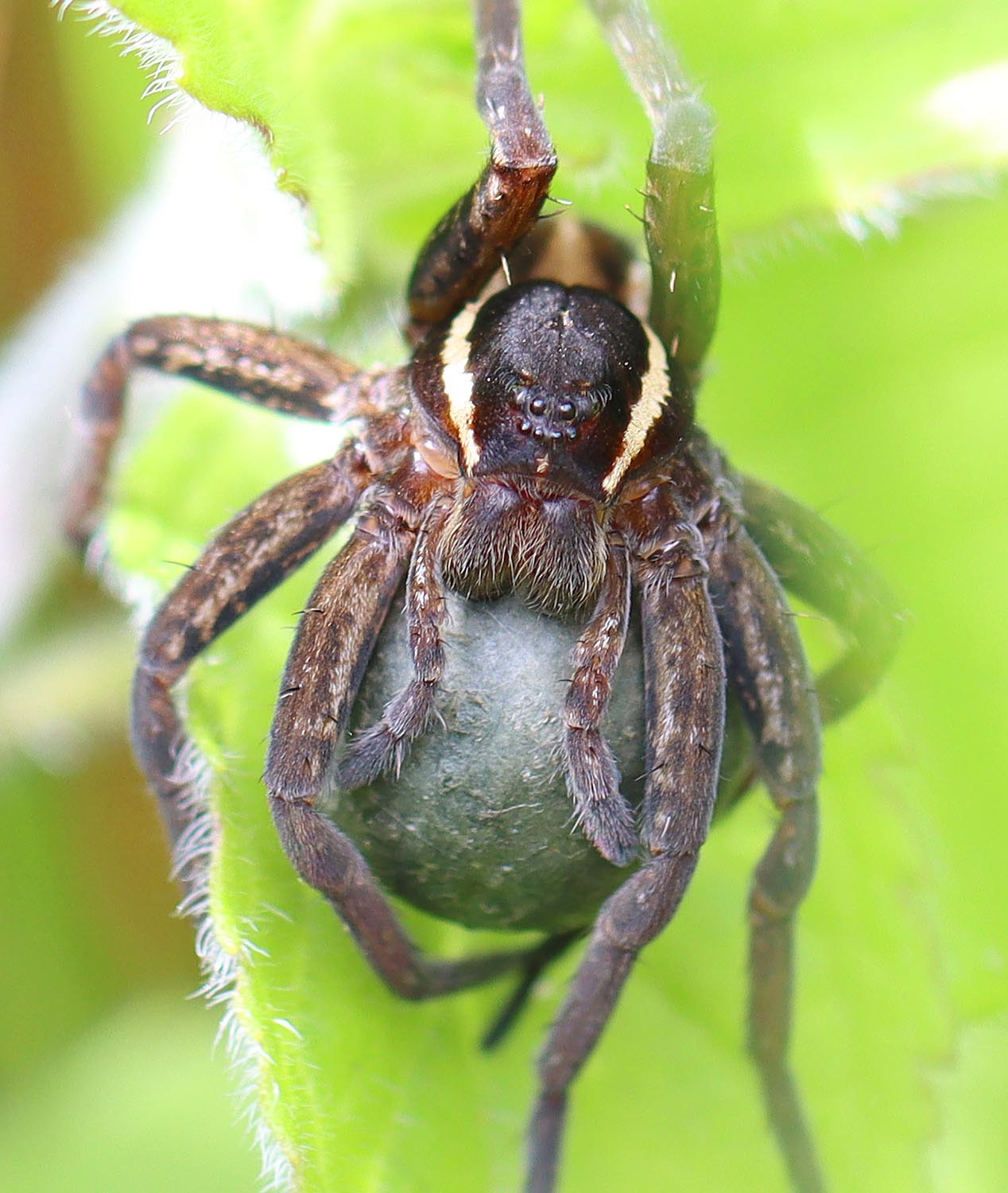
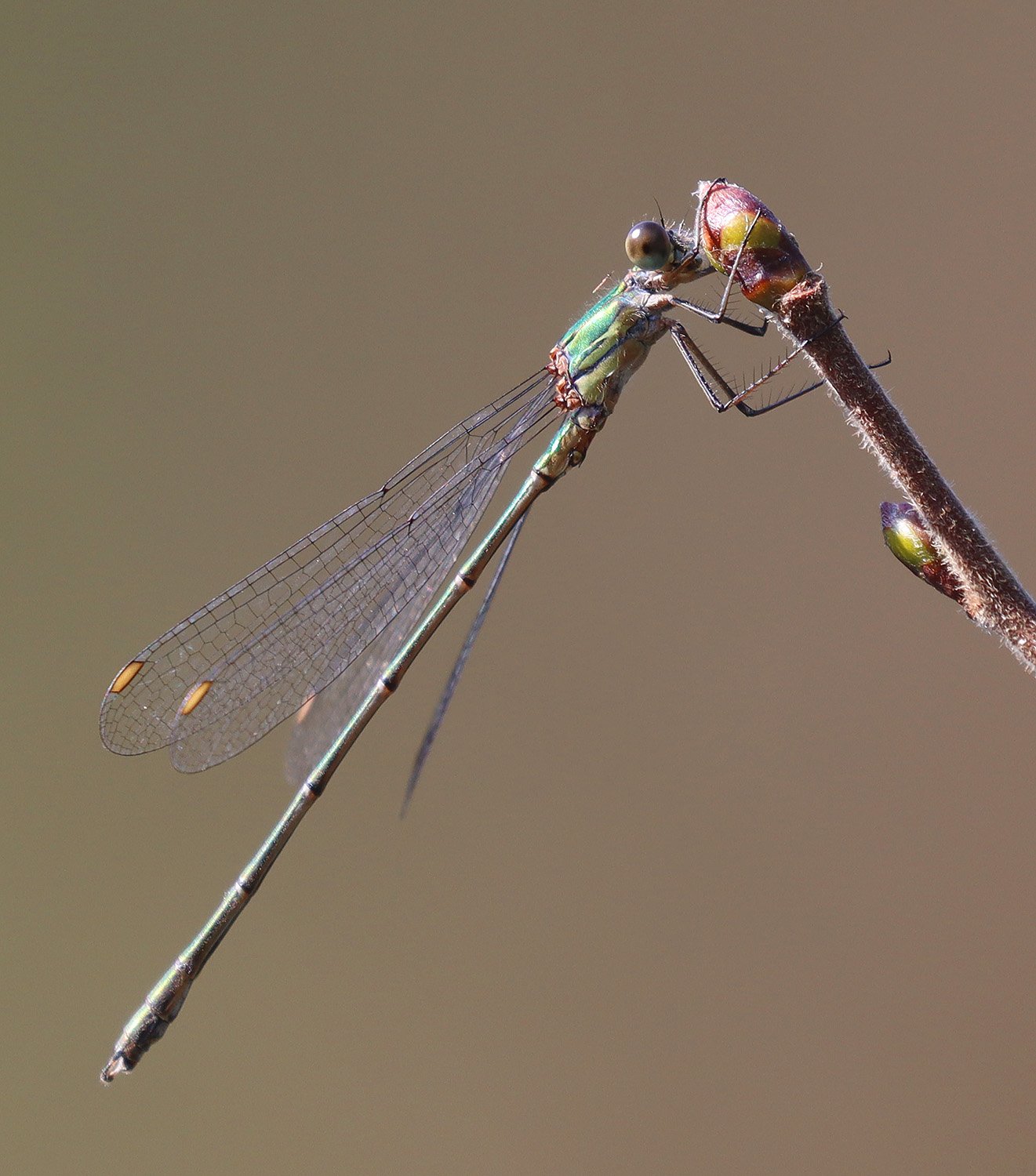
Hundreds of animals, plants and fungi were detected as a result of surveys including goshawk, raft spider, and wood cricket – all priority species that are classified as nationally rare of scarce.
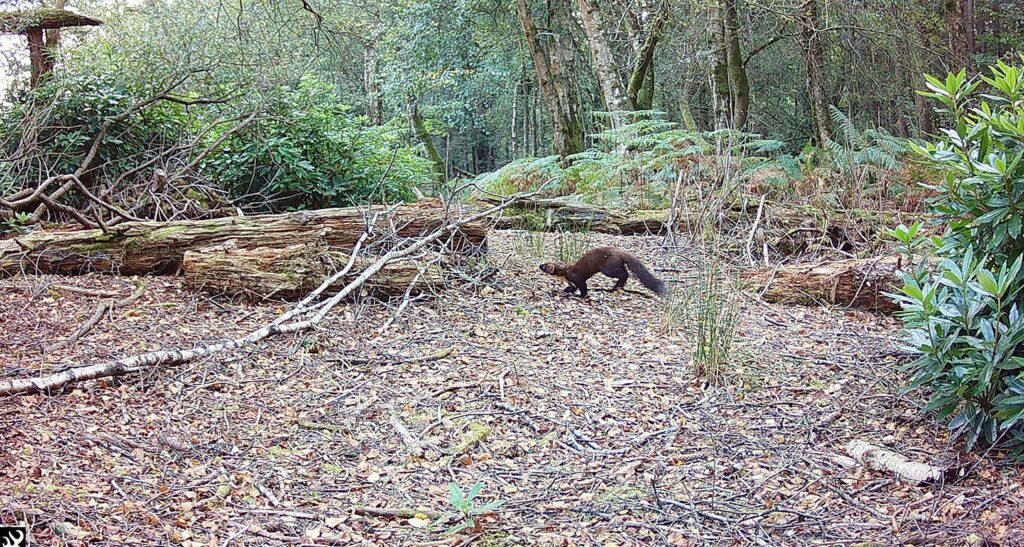
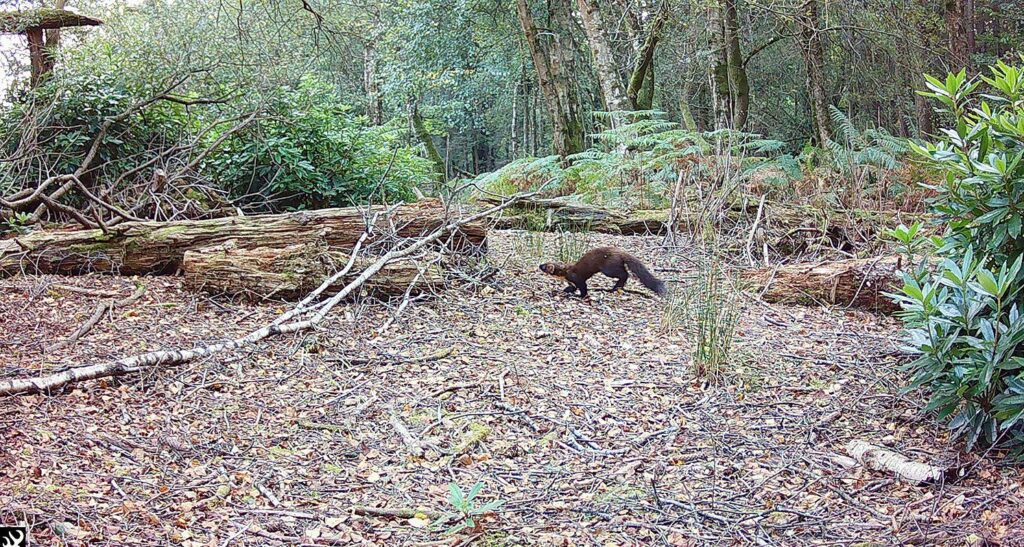
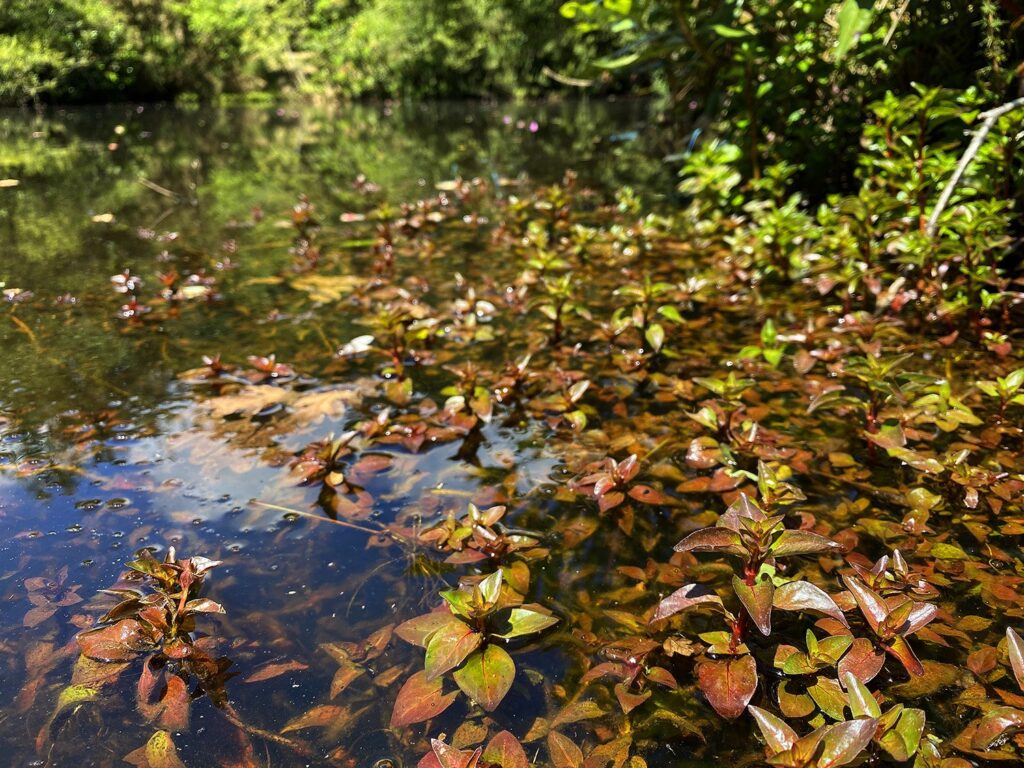
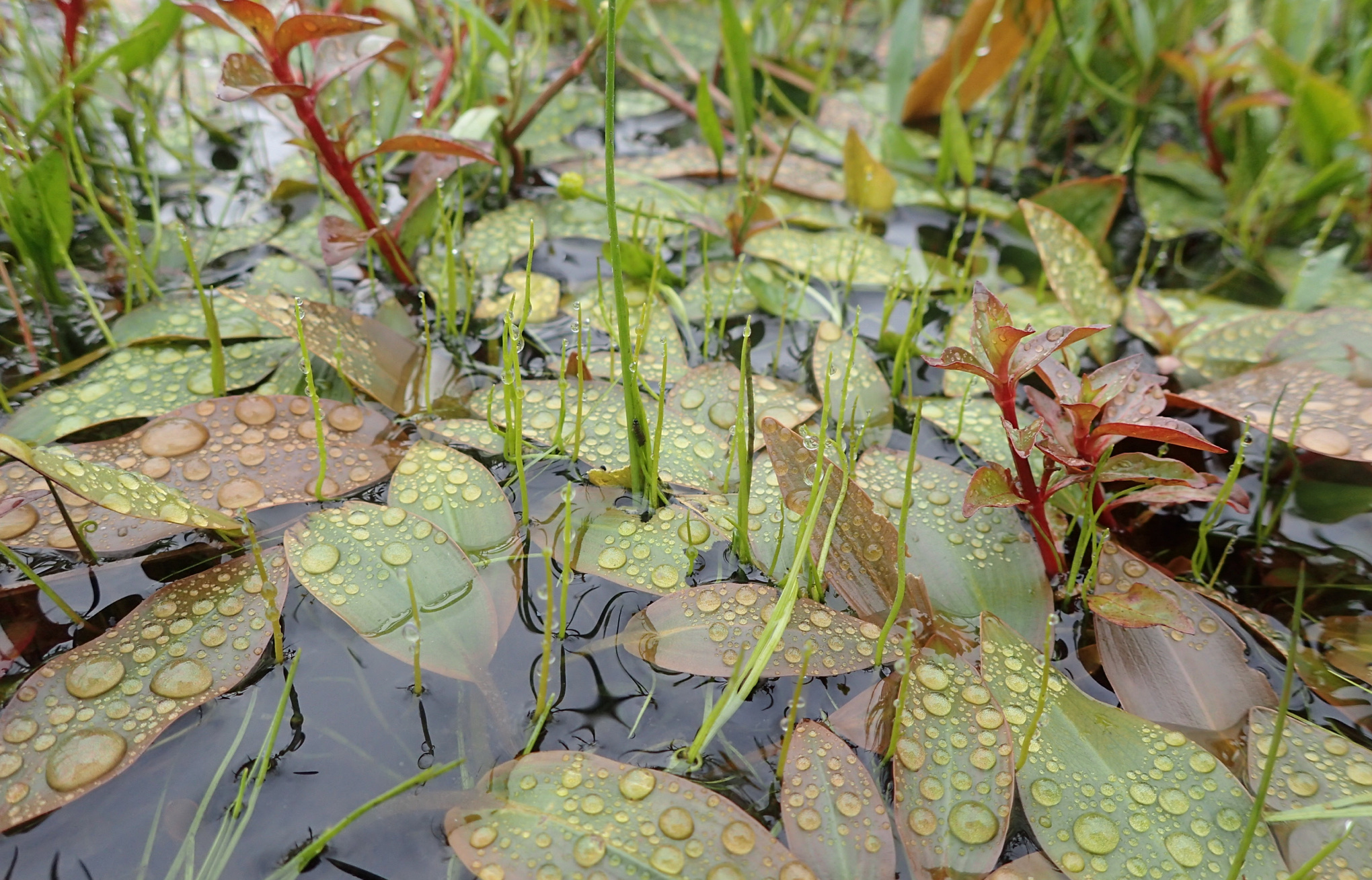
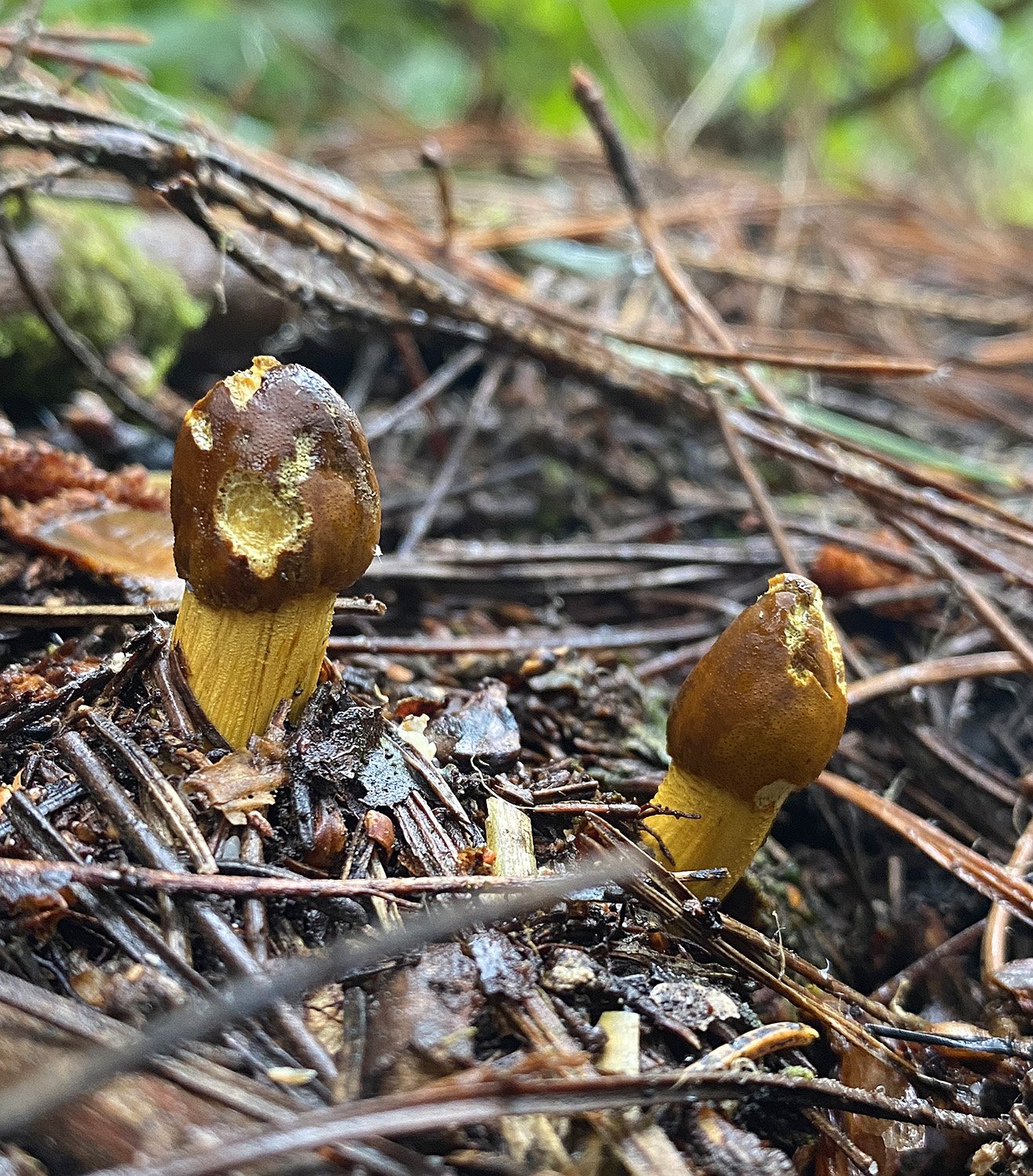
Meanwhile, there were some surprising discoveries such as a new species of fungus for Hampshire, a new pine marten hotspot and a pond full of Hampshire purslane – a nationally rare aquatic plant that is almost wholly restricted to the New Forest.
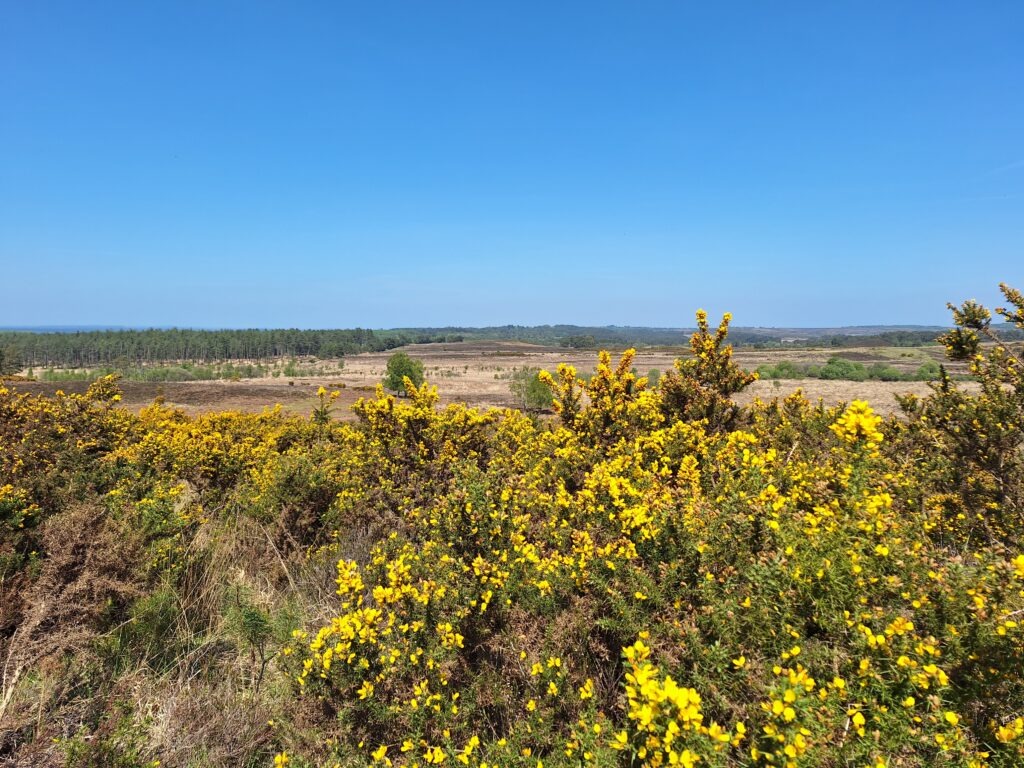
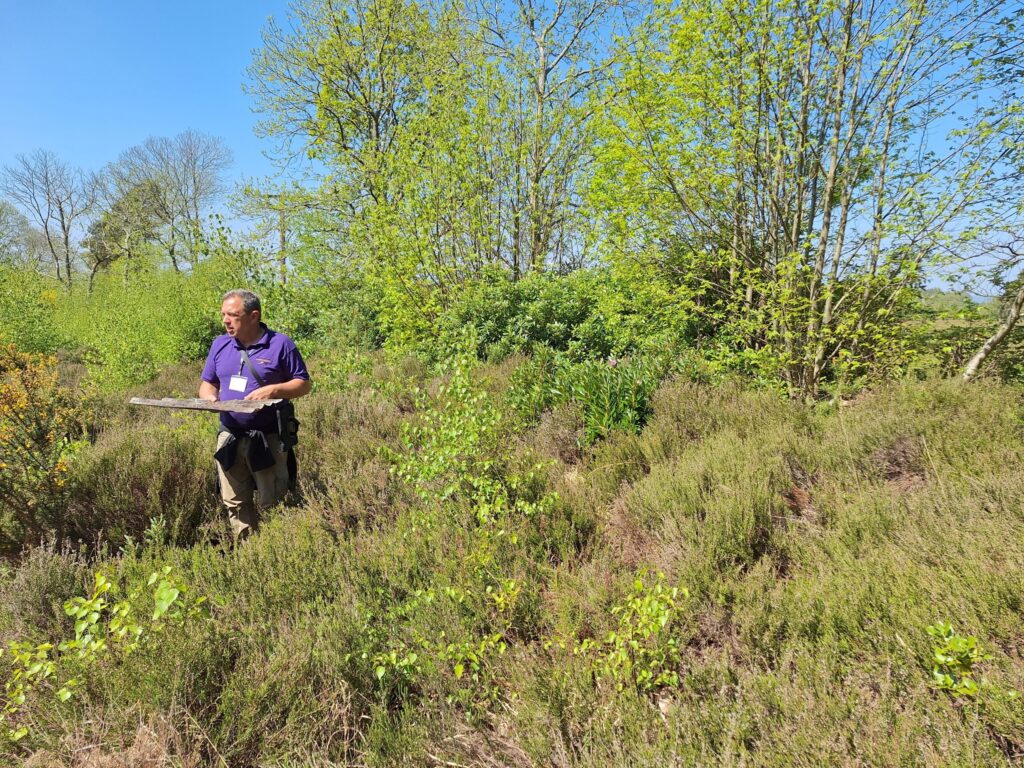
Heathland was both restored and improved to aid reptiles and their habitats in the New Forest.
The National Park is one of the few places in the UK that has all six reptile species – adder, smooth snake, grass snake, common lizard, sand lizard and slow worm.
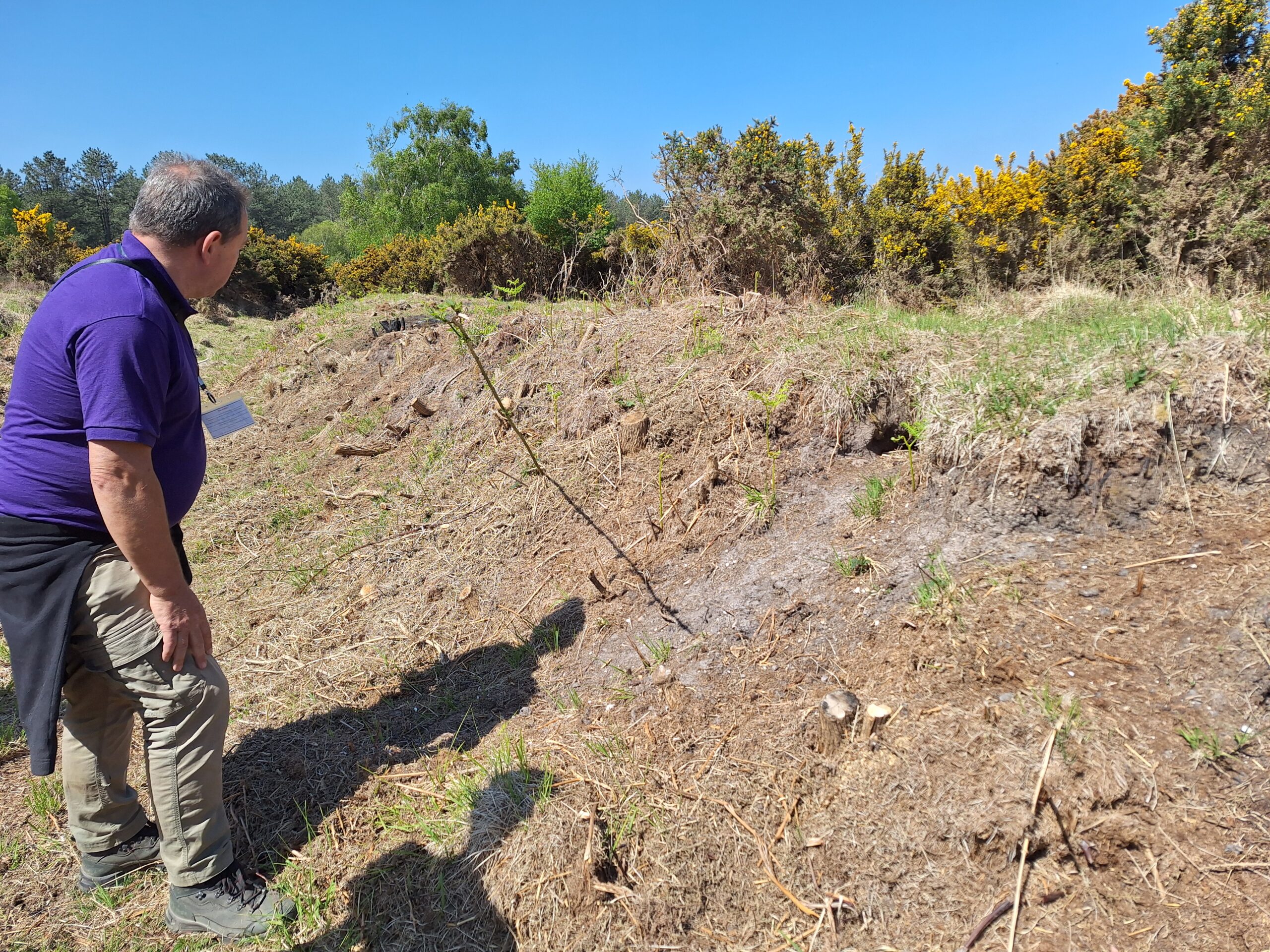
Amphibian and Reptile Conservation (ARC) removed gorse and cleared away top layers of soil to expose sandy spots, which are needed for reptiles to make burrows and lay eggs.
This helped protect and expand the reptiles’ habitats and encouragingly, there was an immediate impact on the reptiles recorded in the area following ARC’s work.
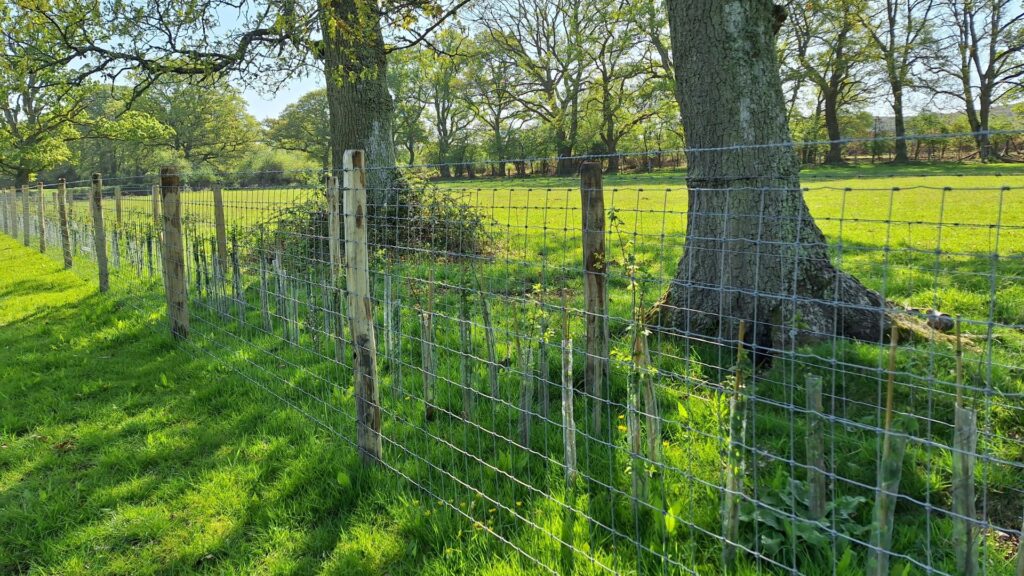
Hampshire and Isle of Wight Wildlife Trust (HIWWT) carried out the work to boost biodiversity at sites in the New Forest as part of the Species Survival Fund project.
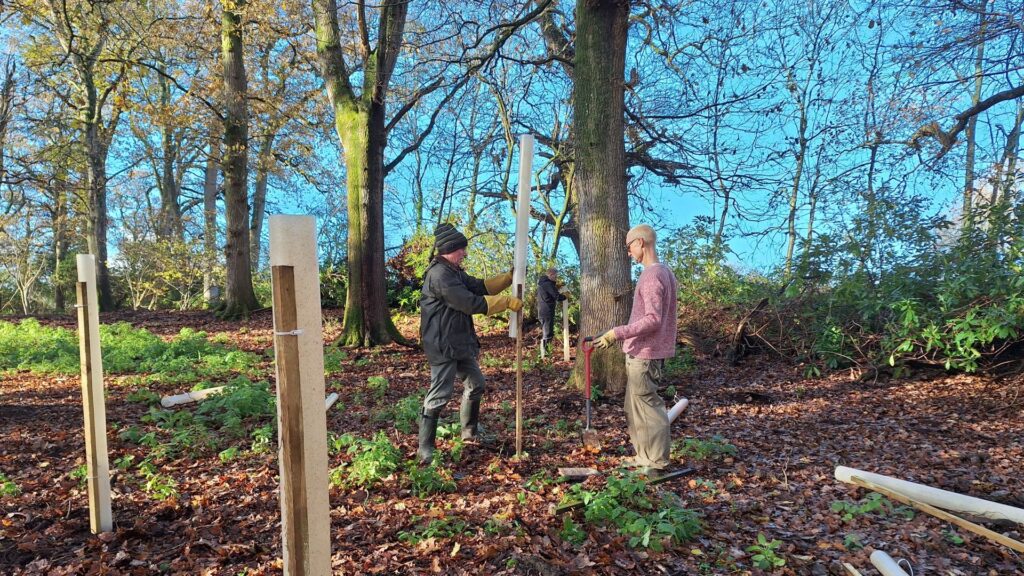
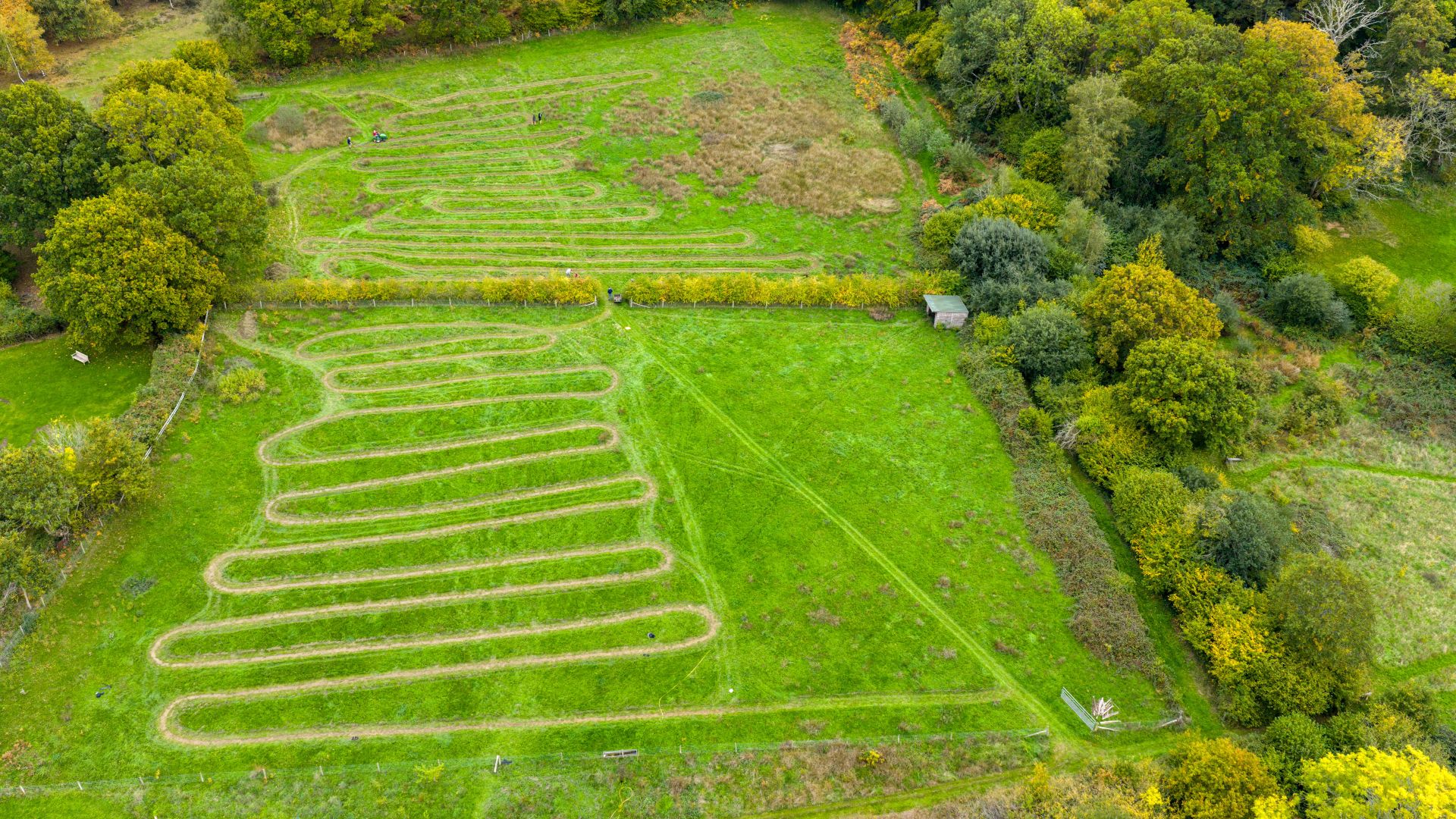
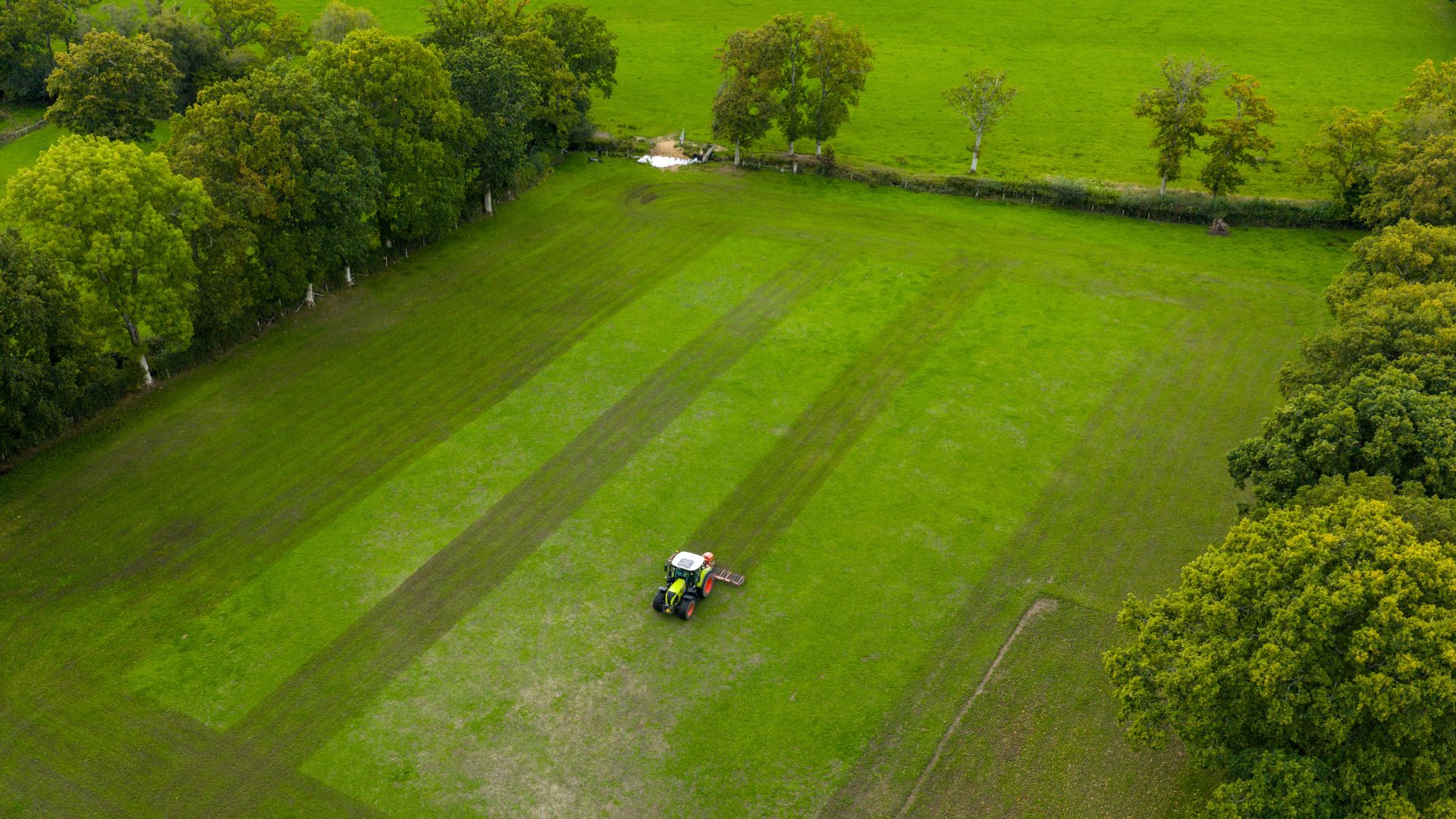
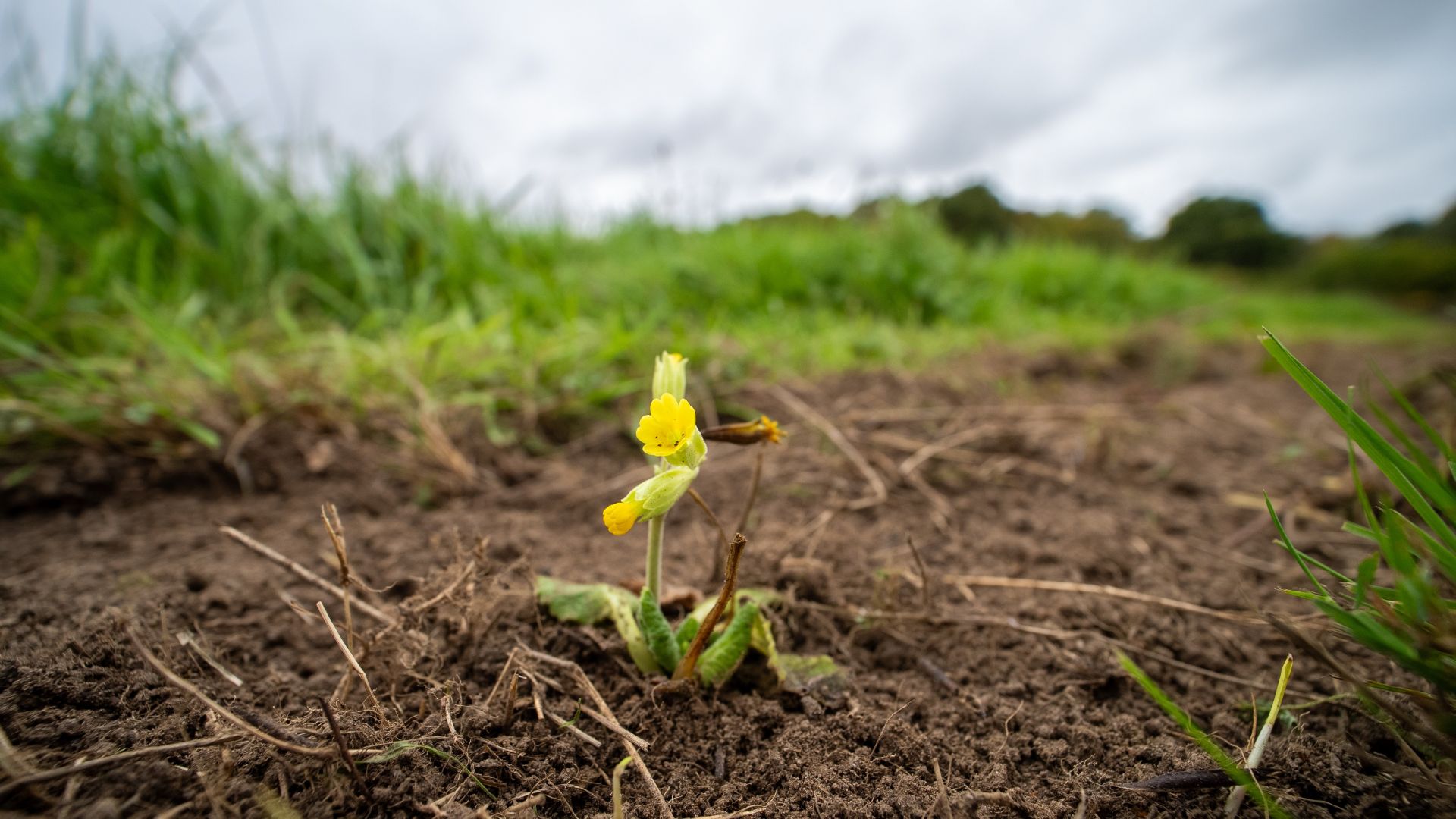
Work ranged from sowing wildflower seeds, planting hedges and installing fencing.
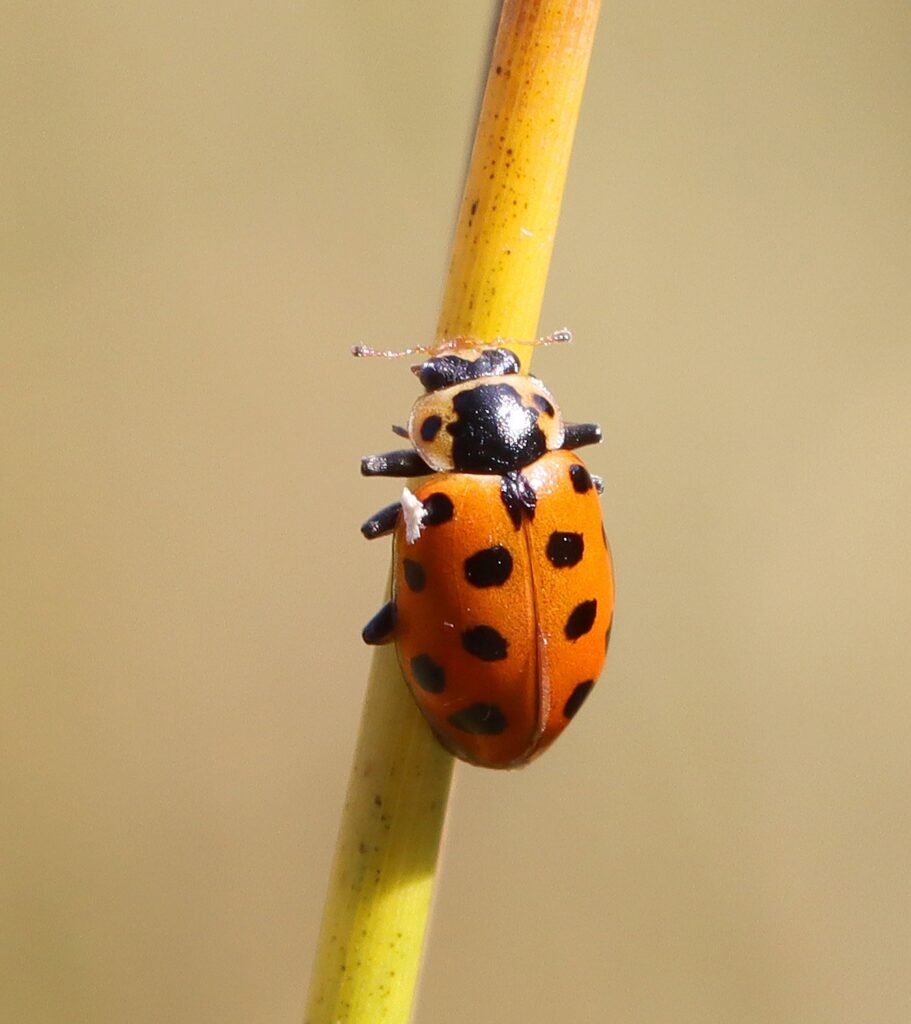
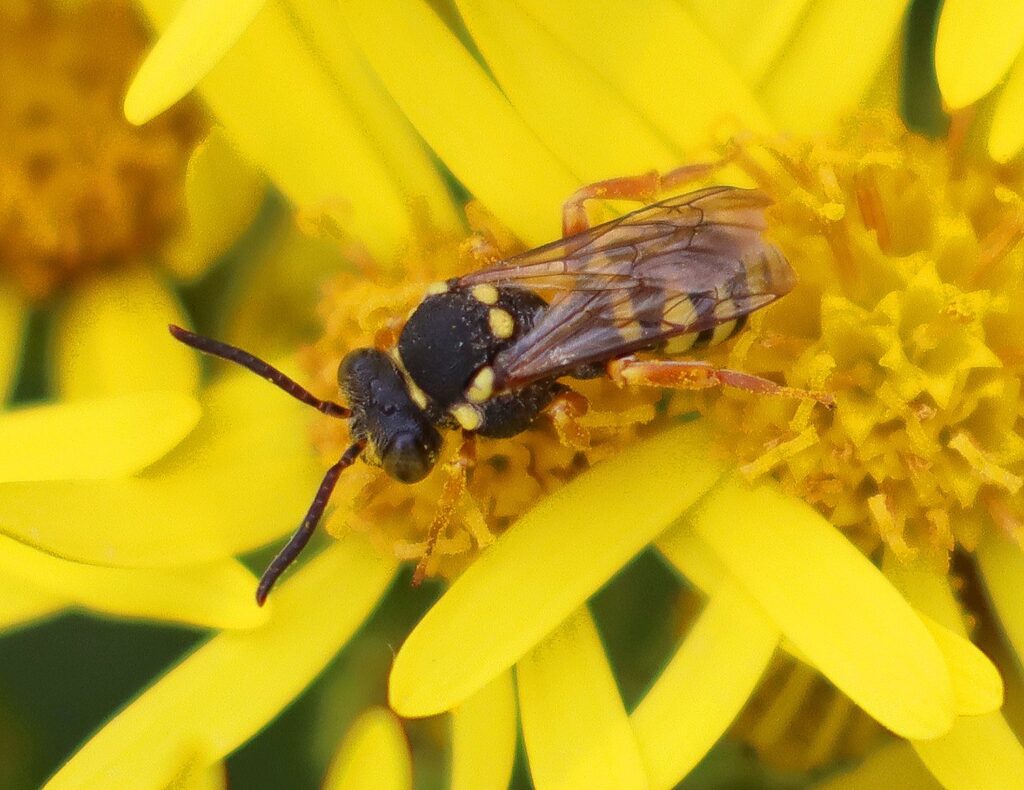
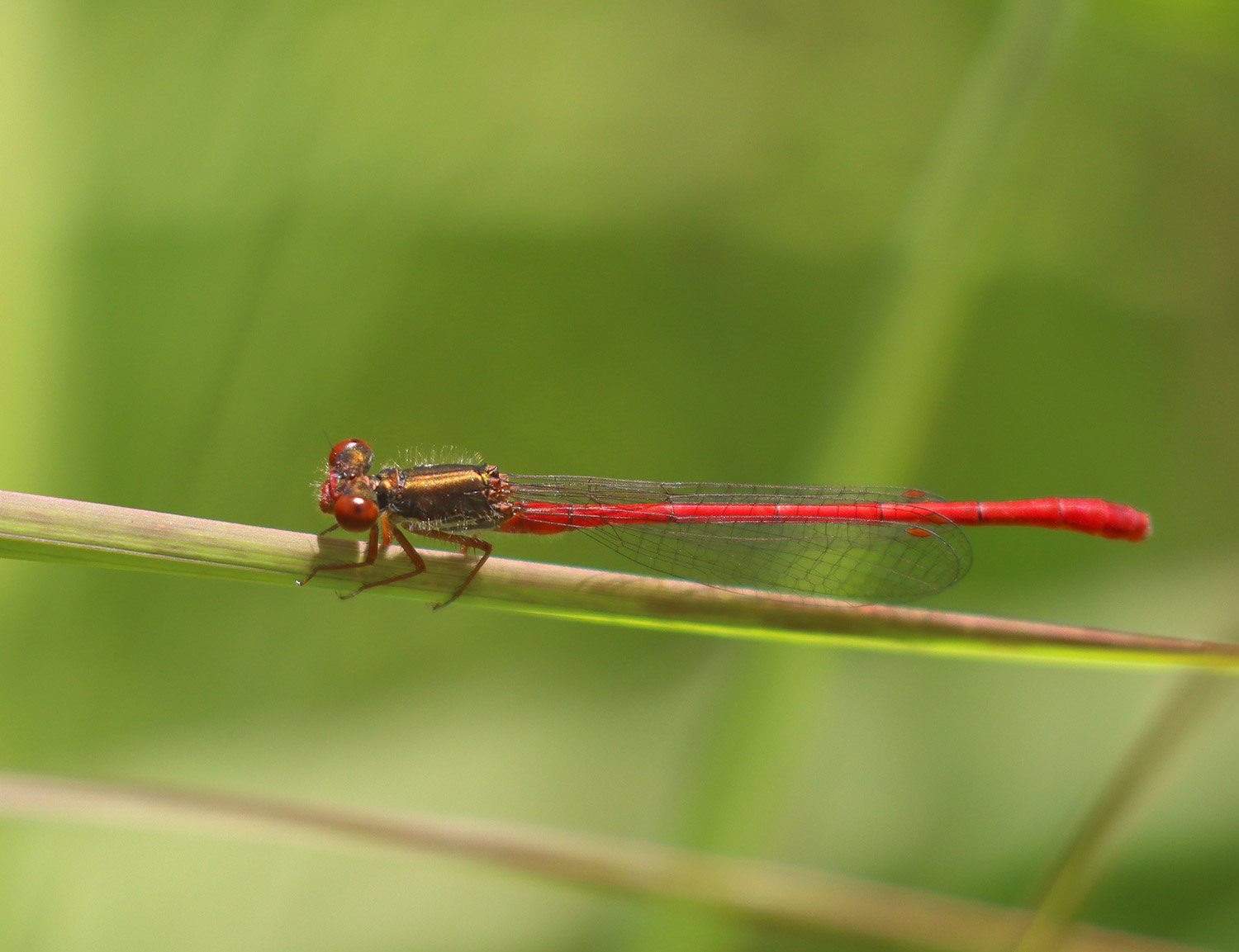
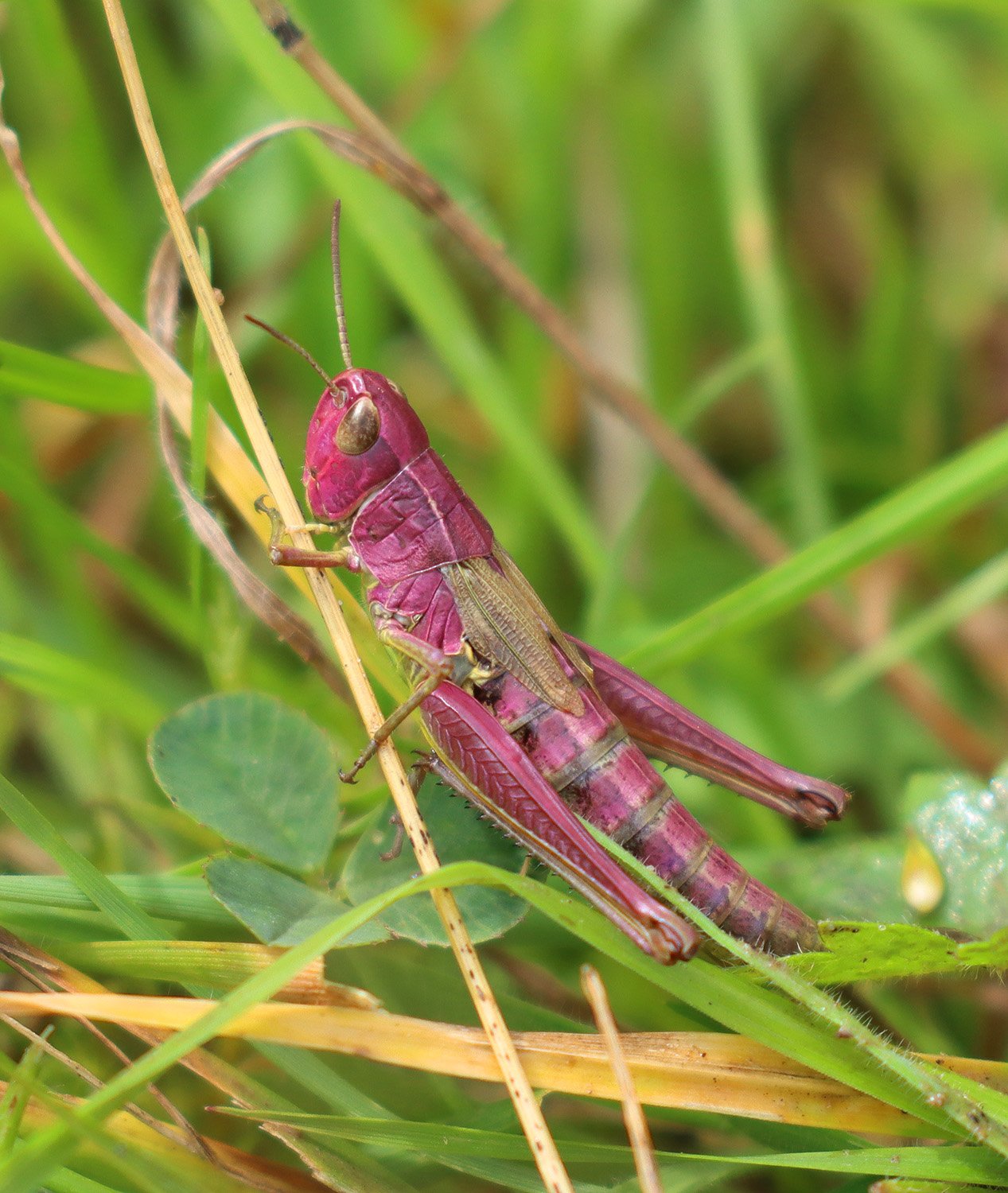
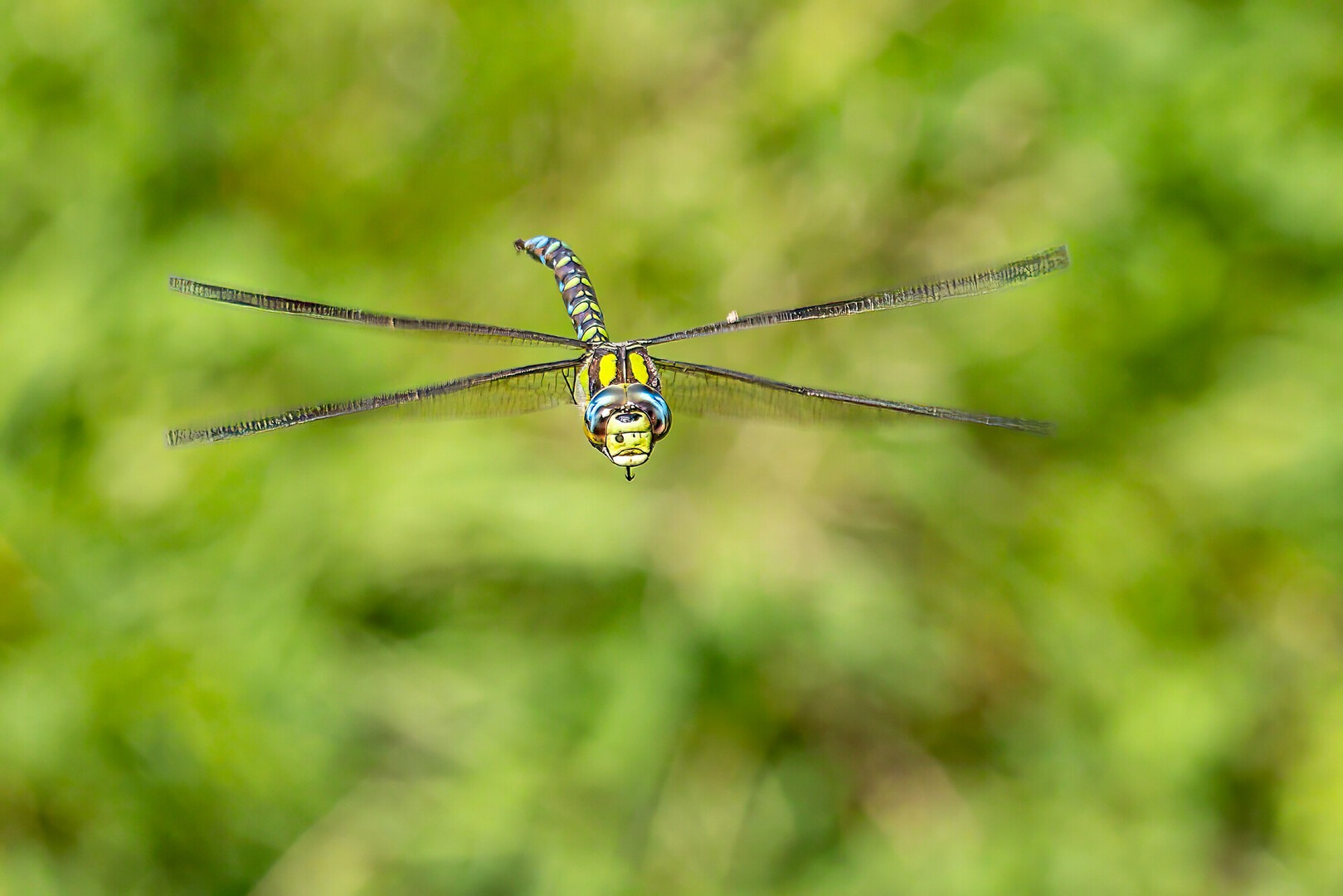
This has improved the size and connectivity of habitats for these insects and pollinators, ensuring they have the best possible chance to thrive for years to come.
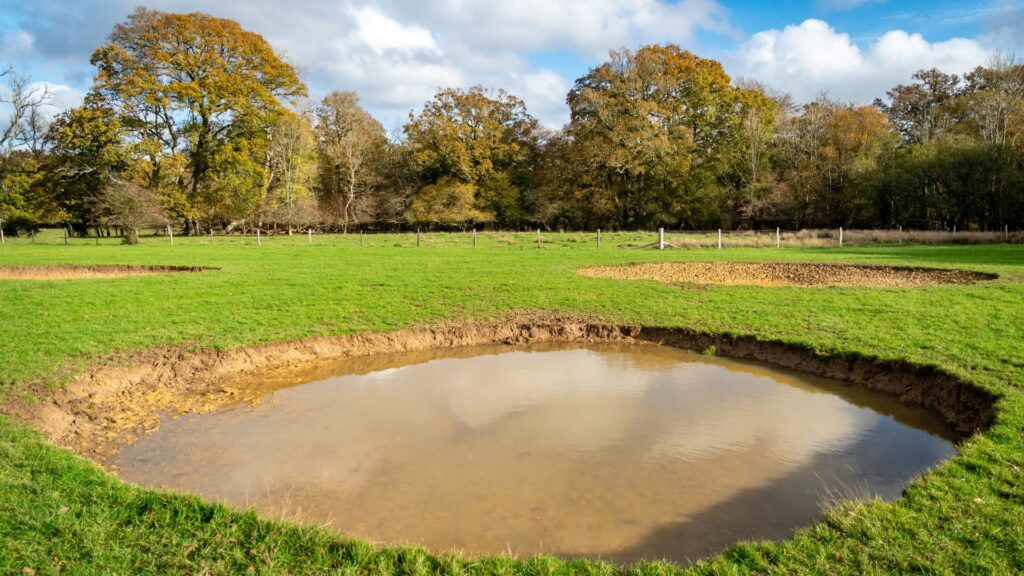
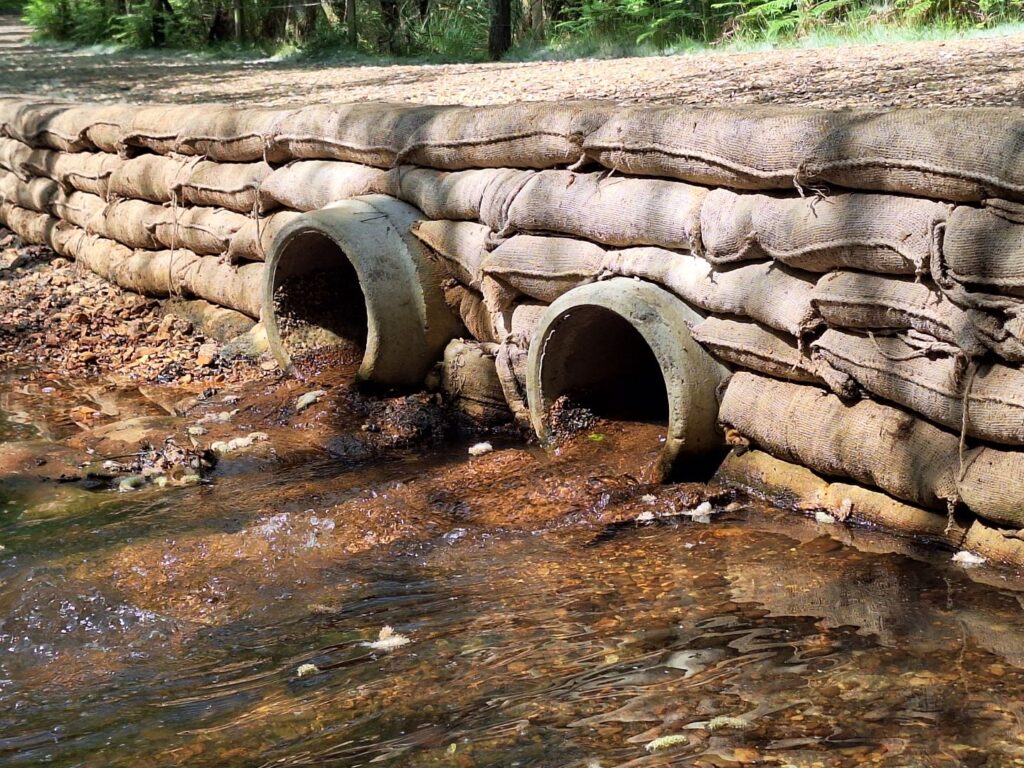
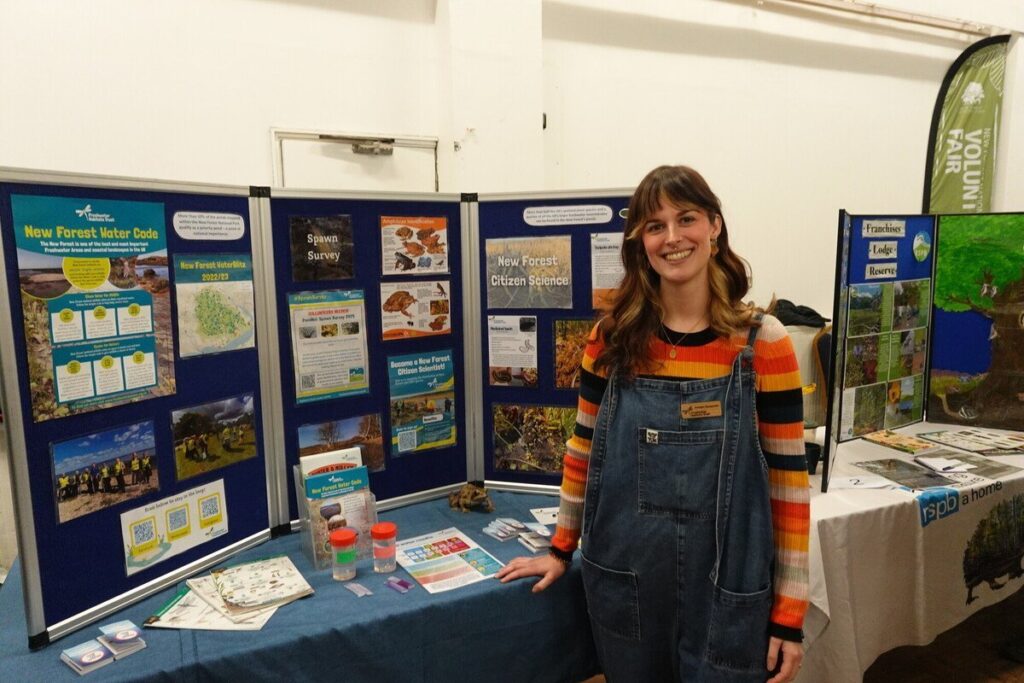
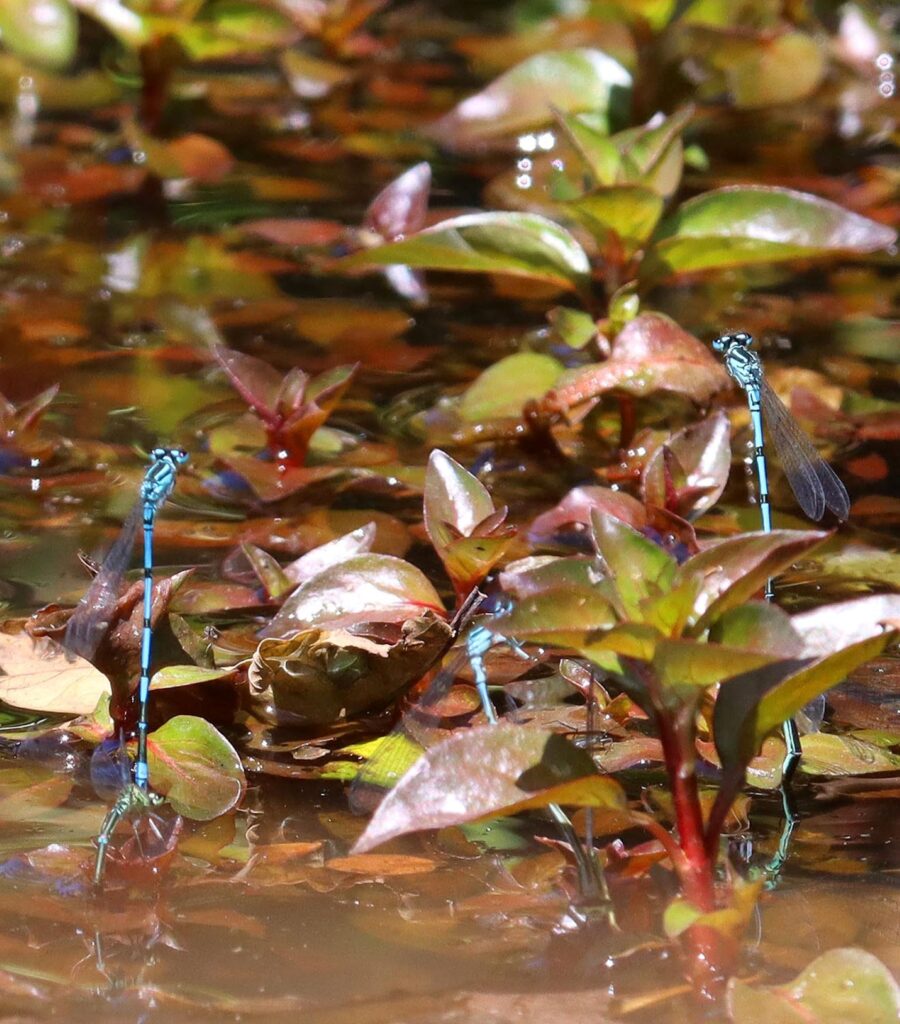
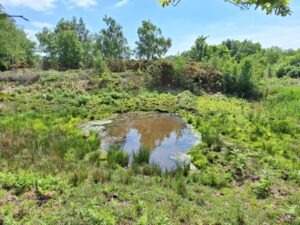
Freshwater Habitats Trust restored and created ponds, improved wetland habitats and removed pressures that reduce water quality and biodiversity.
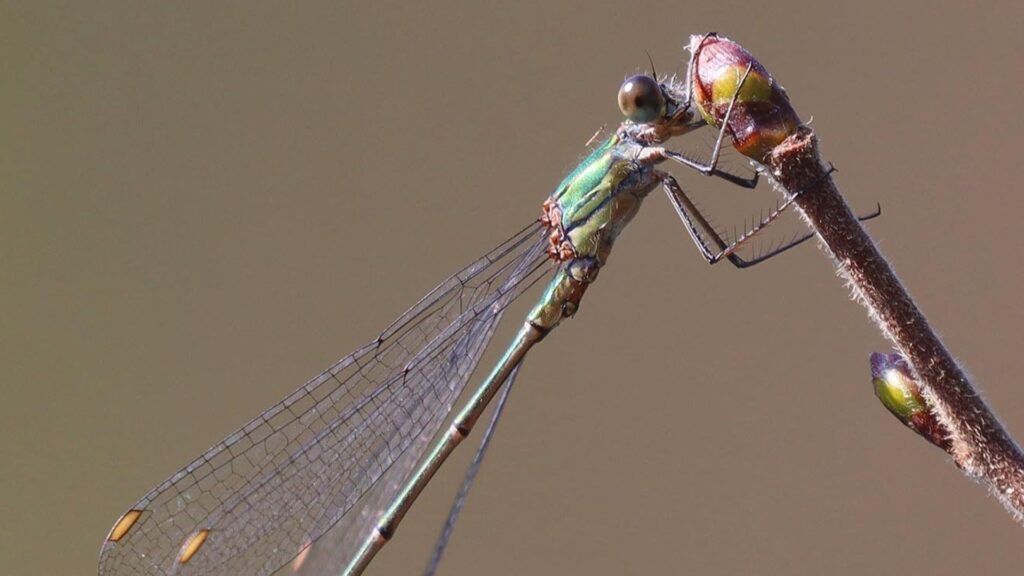
These actions helped provide breeding sites and refuge for amphibians, aquatic invertebrates and wetland plants, while also supporting wider wildlife that relies on healthy freshwater systems.
By reconnecting fragmented habitats and increasing the number of high-quality ponds and wetlands, the work strengthened ecological networks across the landscape.
‘Only by creating bigger and better habitats for wildlife will we be able to halt the alarming decline in species loss. This fund will be a key plank in achieving our legally binding targets to halt species loss and protect 30% land for nature by 2030.’
Environment Minister Rebecca Pow announcing the funds for the project in 2024
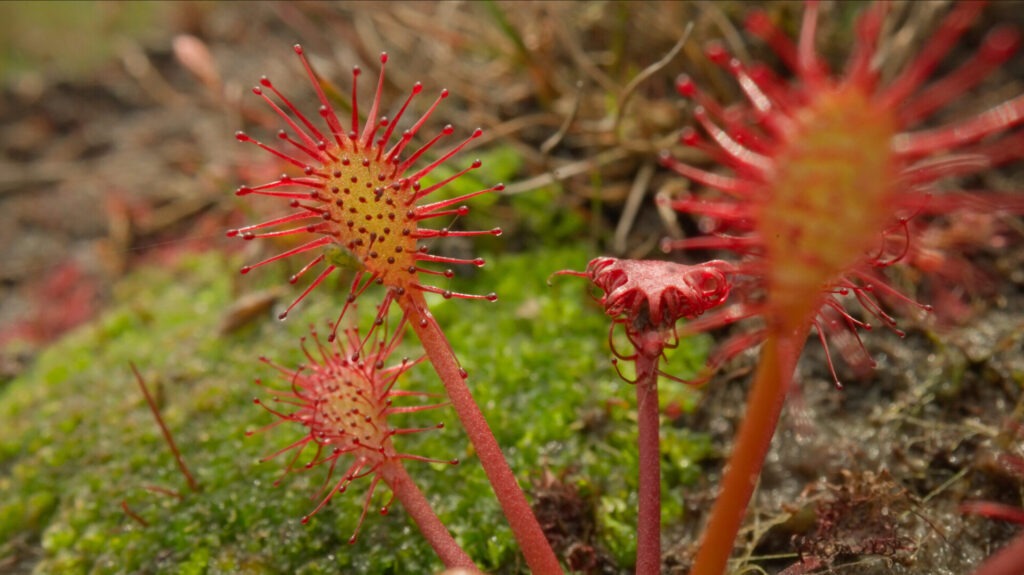
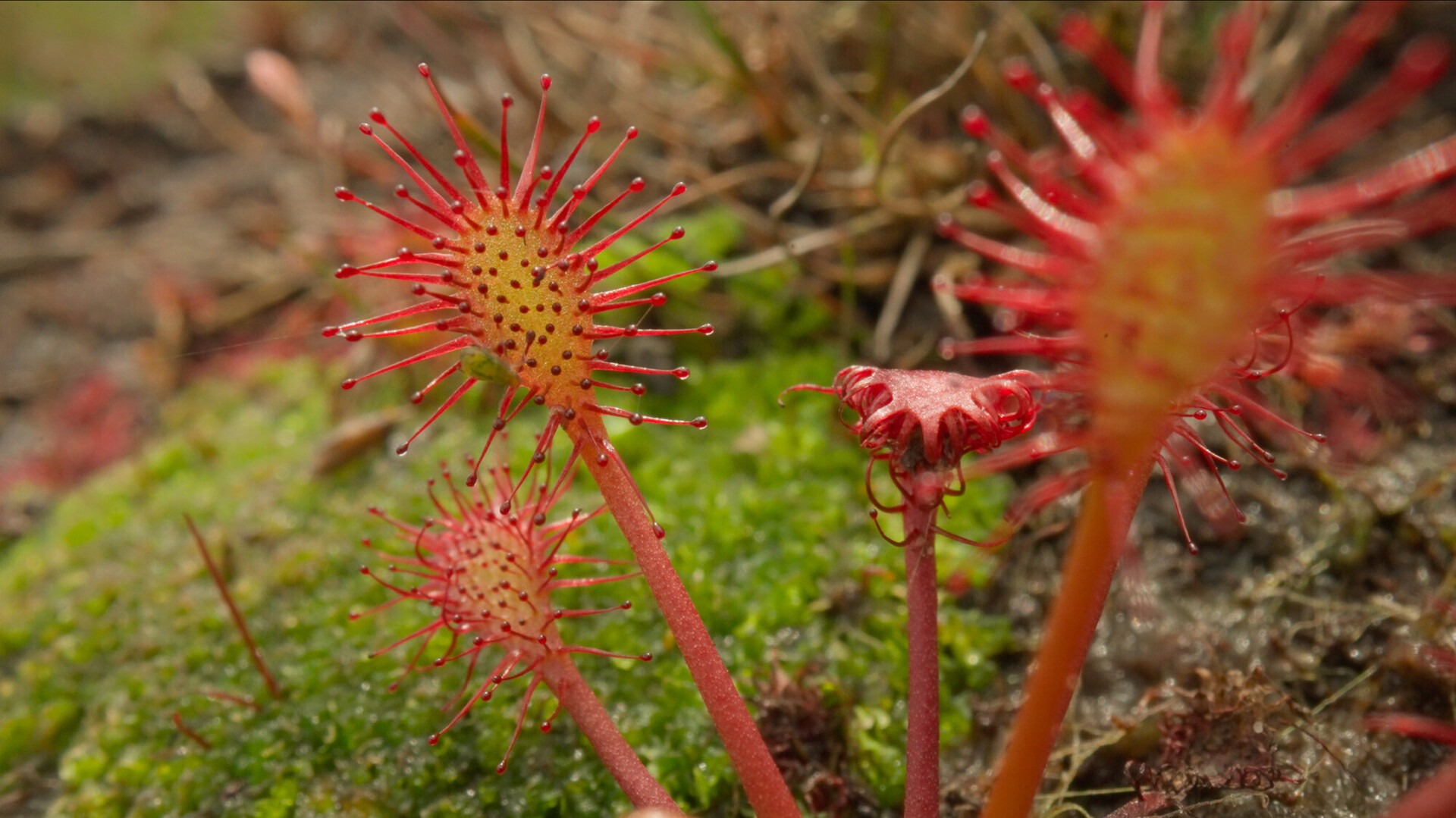
This is a Round-leaved Sundew, which has evolved to capture insects as a way of gaining sustenance in nutrient-poor environments.
The sticky sugary sap on the ends of the ‘leaves’ is used to attract and trap unwary insects, which are then dissolved and absorbed by the plant.
Sundews are restricted to open boggy habitats in the New Forest.
'We've been able to solve things that not just support the delivery of this partnership and this project, but also ensure future investment is directed to nature recovery as effectively and as efficiently as possible.'
John Stride, Net Zero with Nature Programme Manager at the New Forest NPA
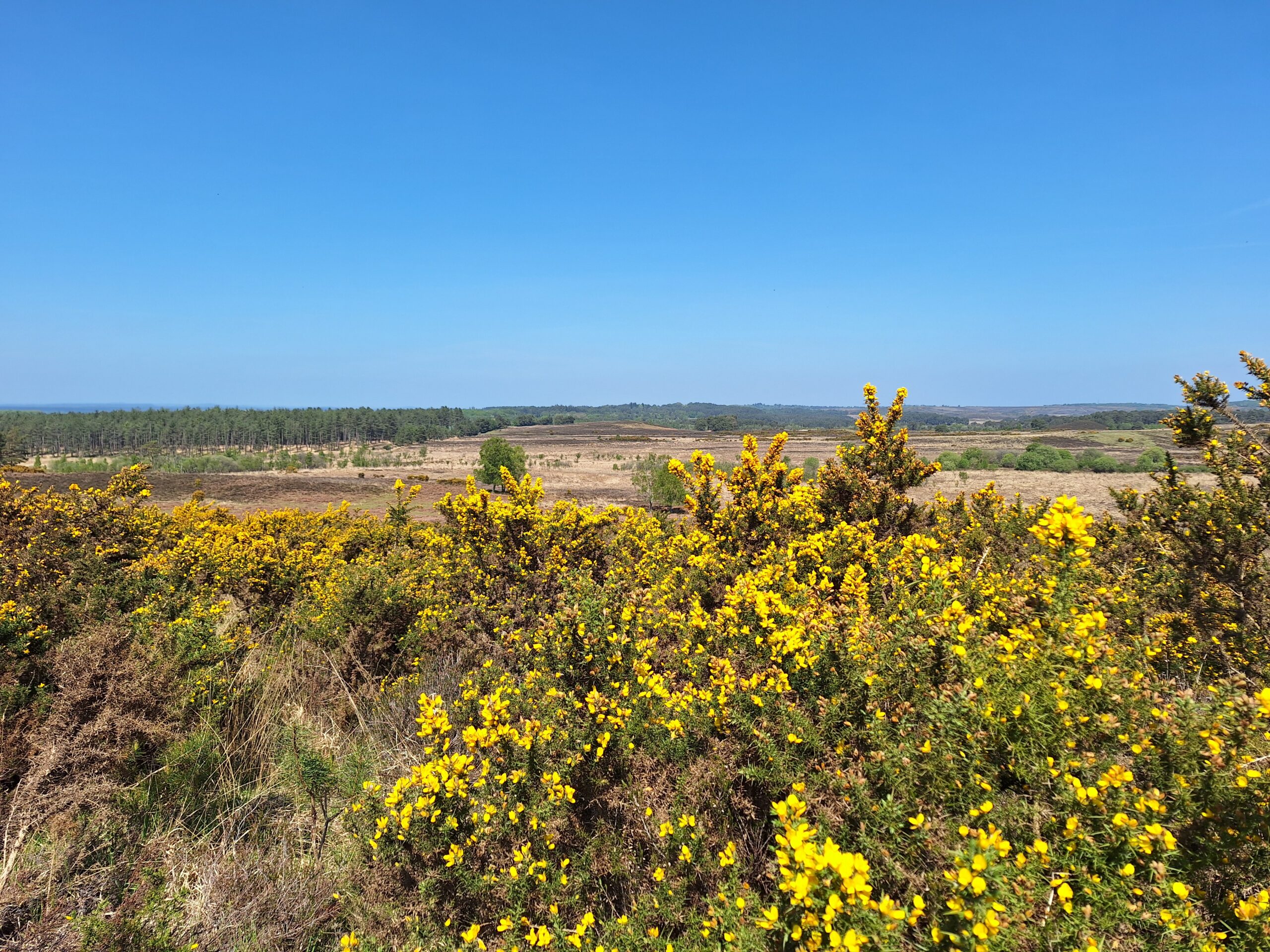
The Species Survival Fund helped restore heathland on a private estate in the south west of the New Forest.
The project enabled removal of gorse and scraping of the soil to expose sandy spots, needed for reptiles such as sand lizards, adders and smooth snakes to make burrows and lay eggs.
The project showed an immediate impact on the reptiles observed in the area.
It was delivered by The National Lottery Heritage Fund in partnership with Natural England and the Environment Agency.



Keep your distance from the animals and don't feed or pet them - you may be fined.
Keep your distance from the animals and don't feed or pet them - you may be fined.
Keep your distance from the animals and don't feed or pet them - you may be fined.
Keep your distance from the animals and don't feed or pet them - you may be fined.