Slime mould
About slime moulds
Each autumn, single celled-organisms combine to form slime mould, scouring the forest for bacterial food and eating anything in their path. They provide an essential service cleaning up our woodlands.
The eumycetozoa, or true slime moulds, contain more than 1,000 species known to science, with many found in the New Forest.
By far the largest sub-group are myxomycetes, a group of fungus-like organisms that typically occur in cool, moist, shady places like crevices within decaying wood, beneath the partially decayed bark of logs and stumps, and in leaf litter on the forest floor.
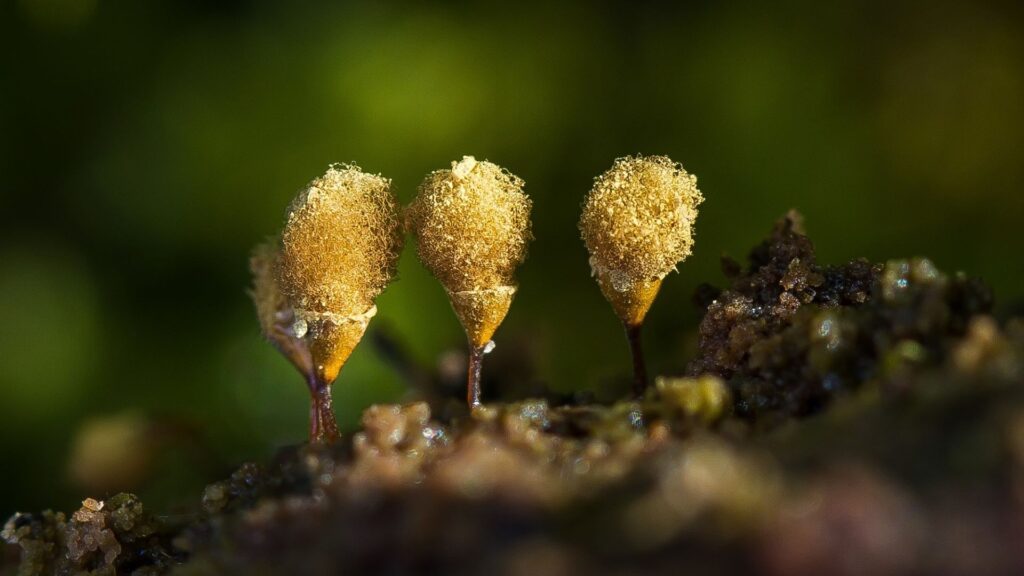
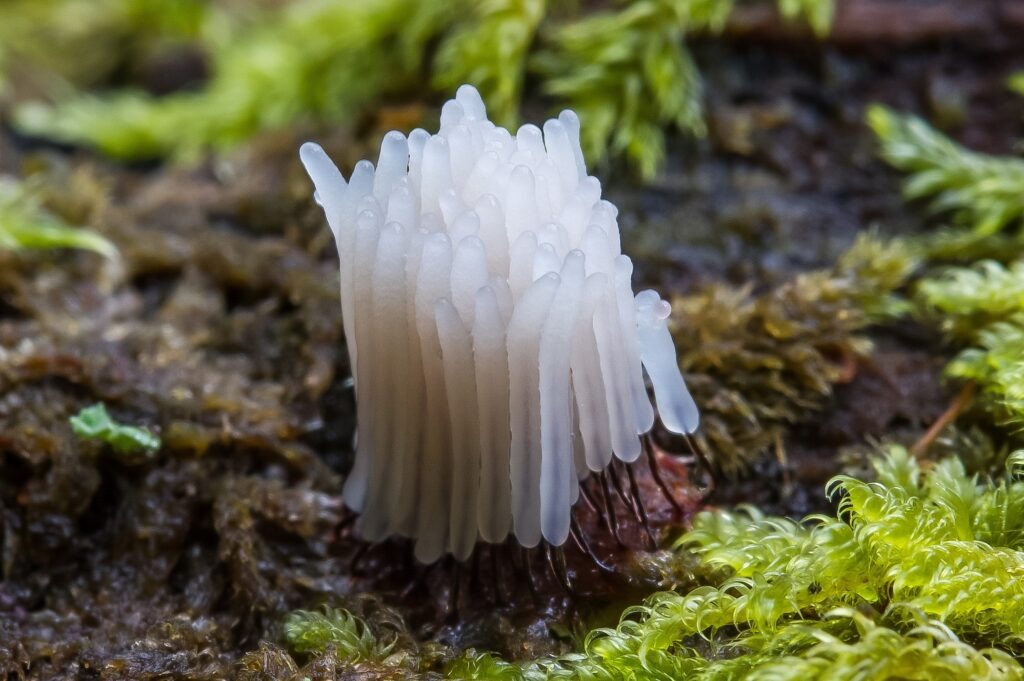
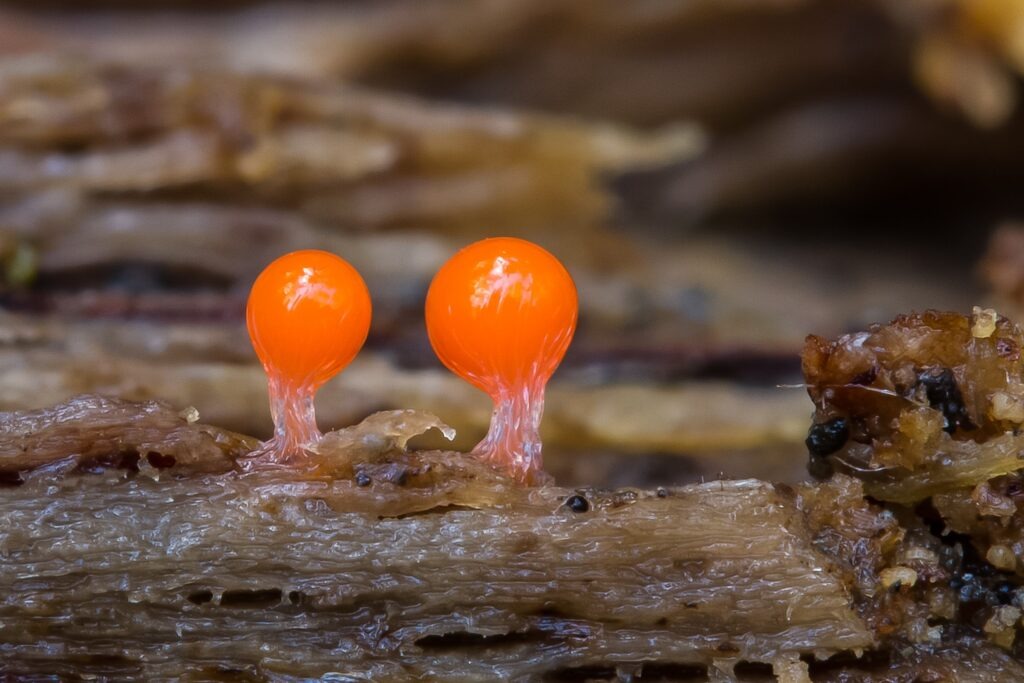
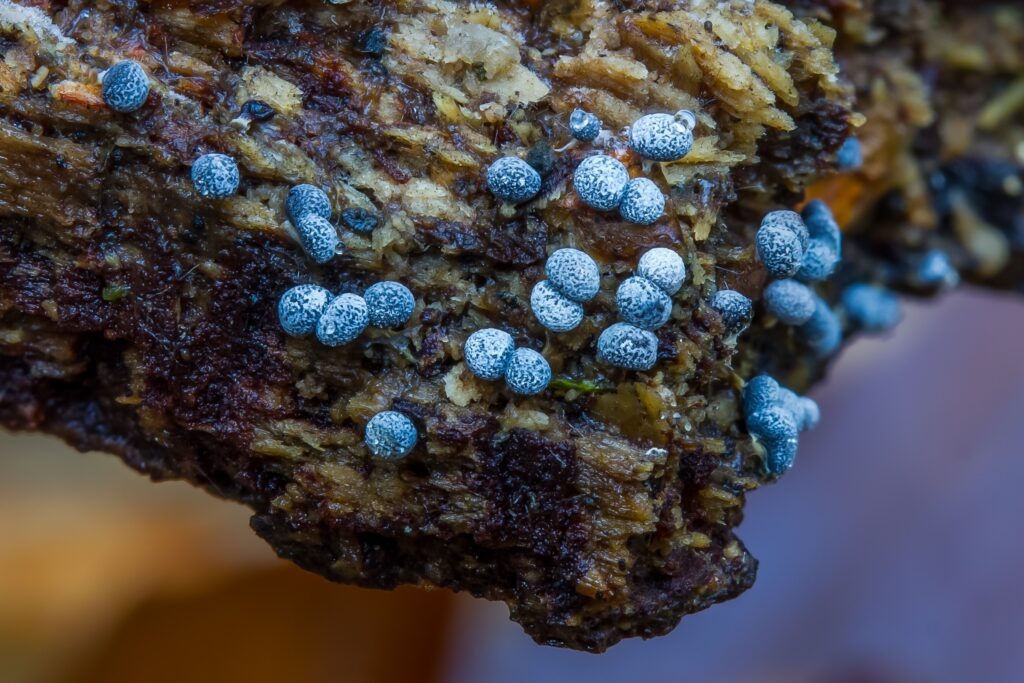
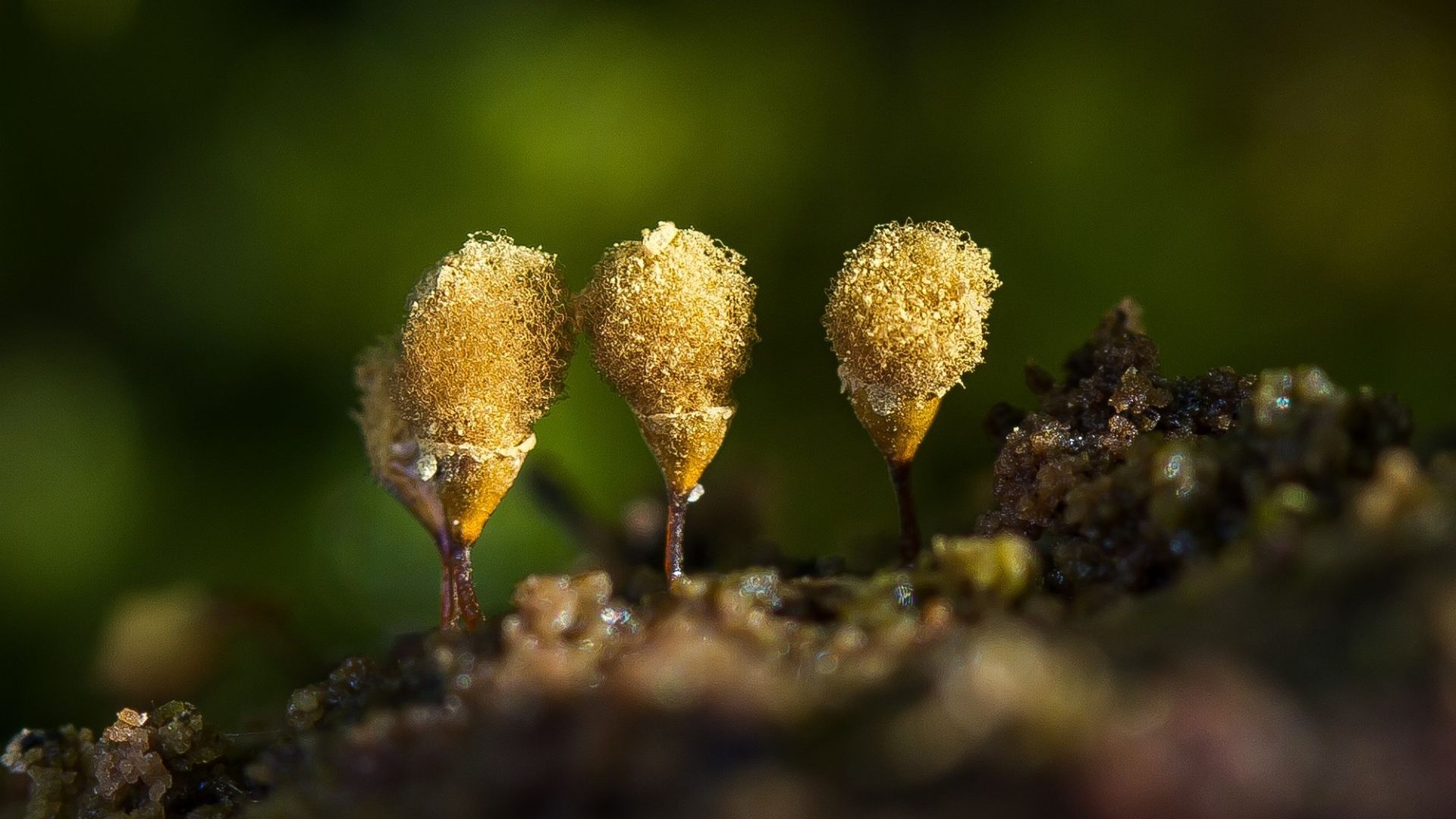
The fruiting bodies produced by myxomycetes are visually similar to those produced by higher fungi, although they are considerably smaller (usually no more than 1-2 mm tall). Fruiting bodies may take the shape of tiny goblets, globes or plumes. The spores of myxomycetes are mostly wind-dispersed.
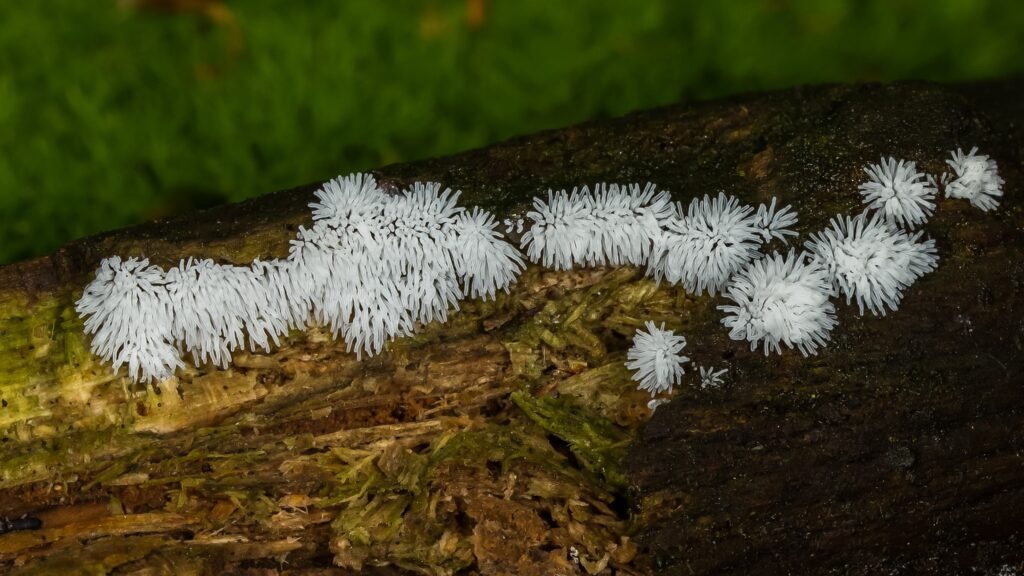
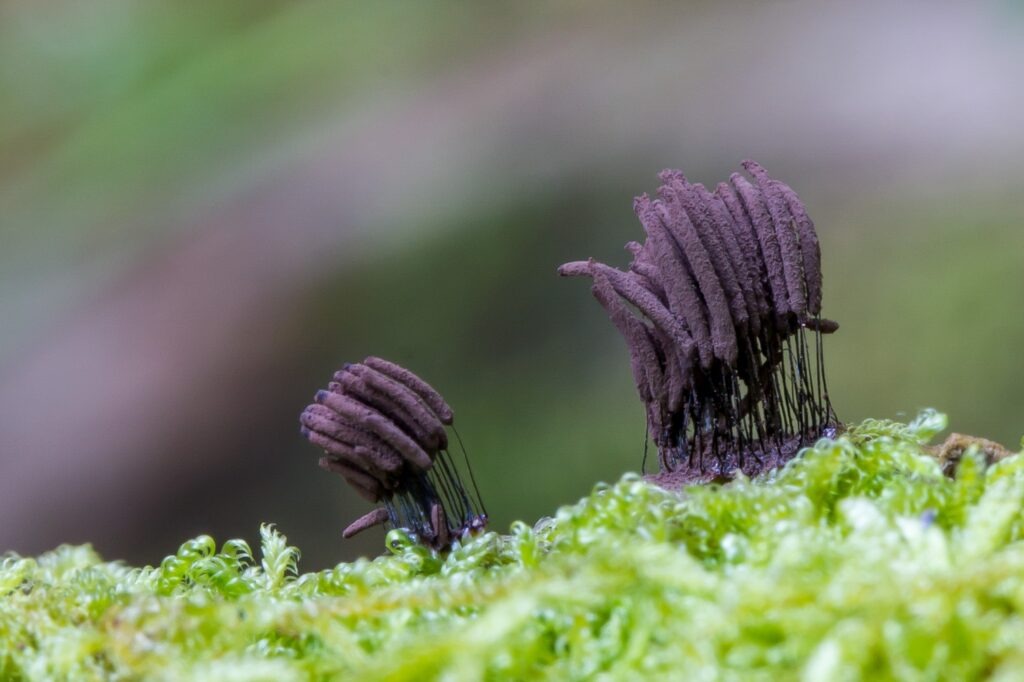
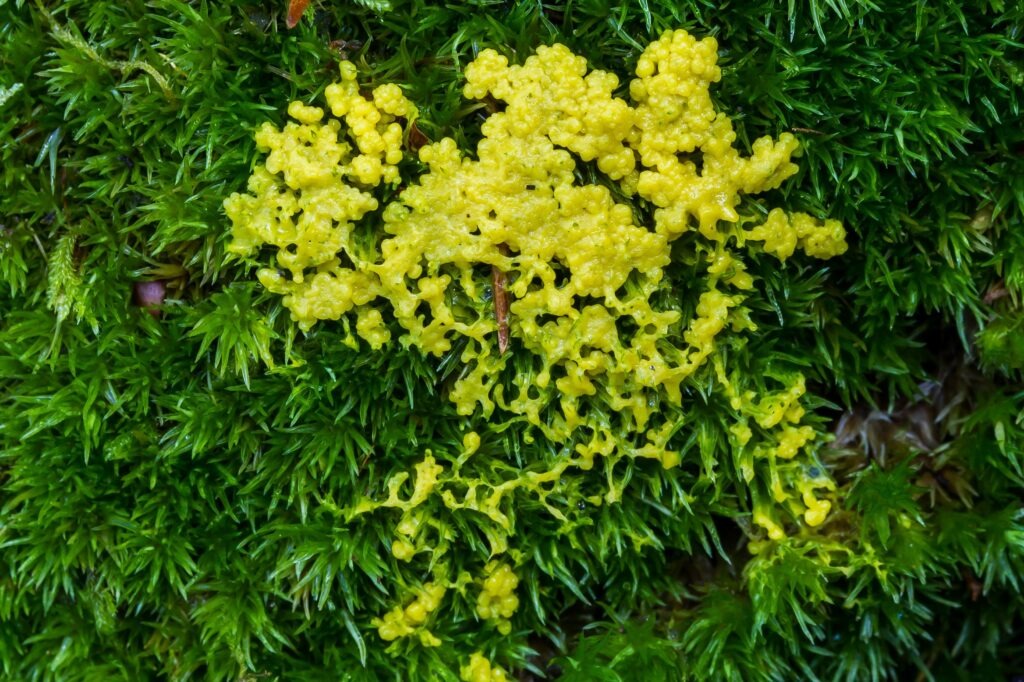
Check out these incredible slime mould images taken in the National Park by Jim and Dawn Langiewicz