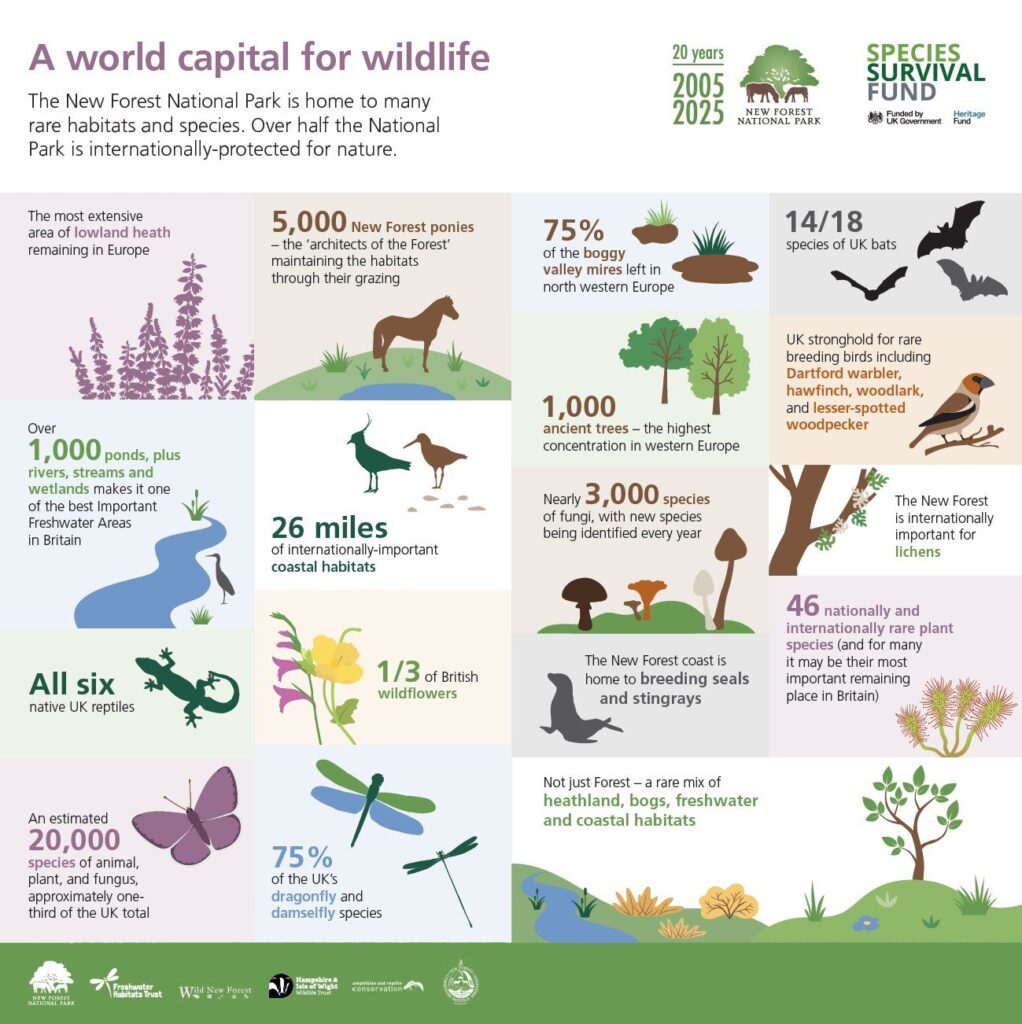
20,000
species of animal, plant, and fungus, approximately one third of the UK total
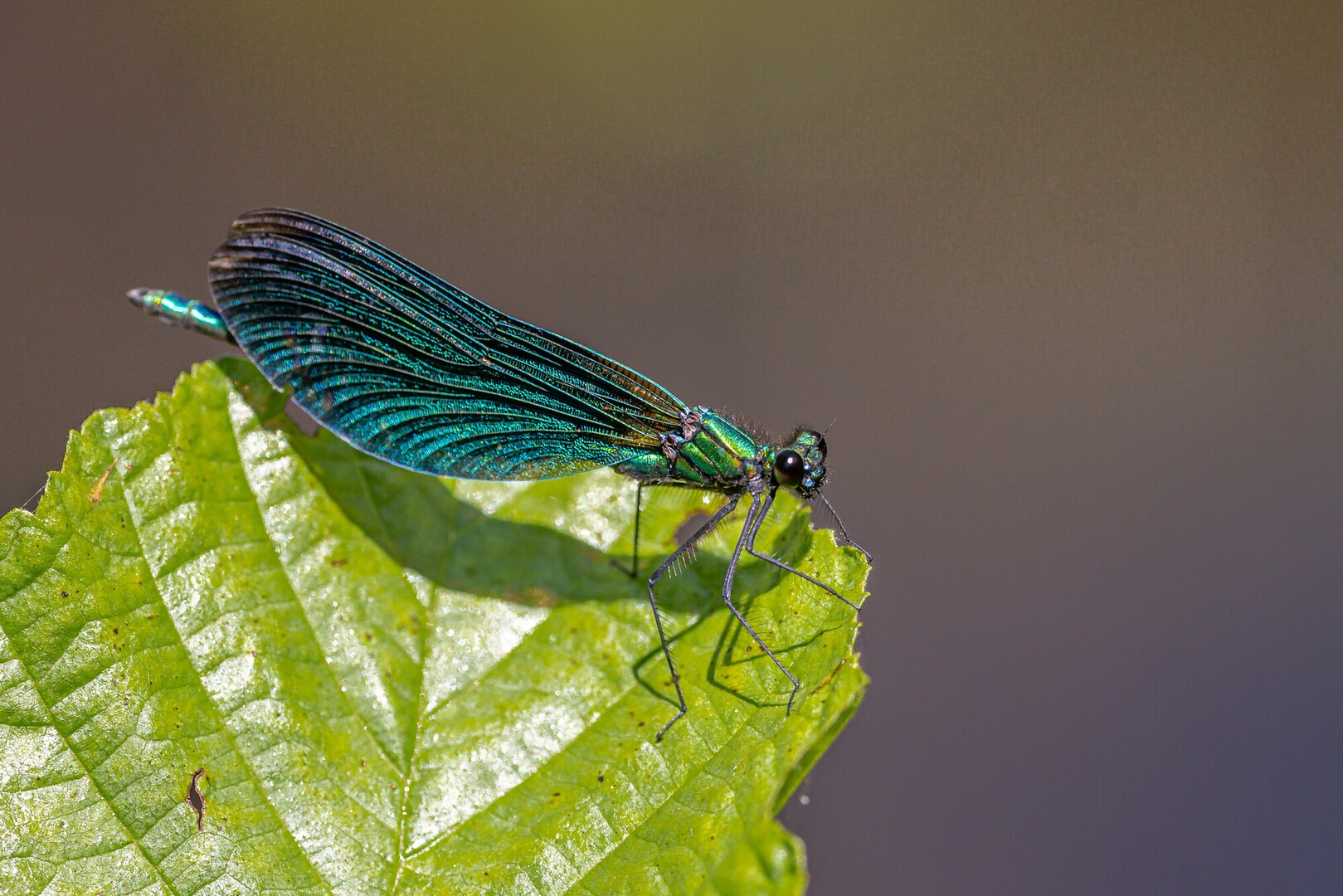
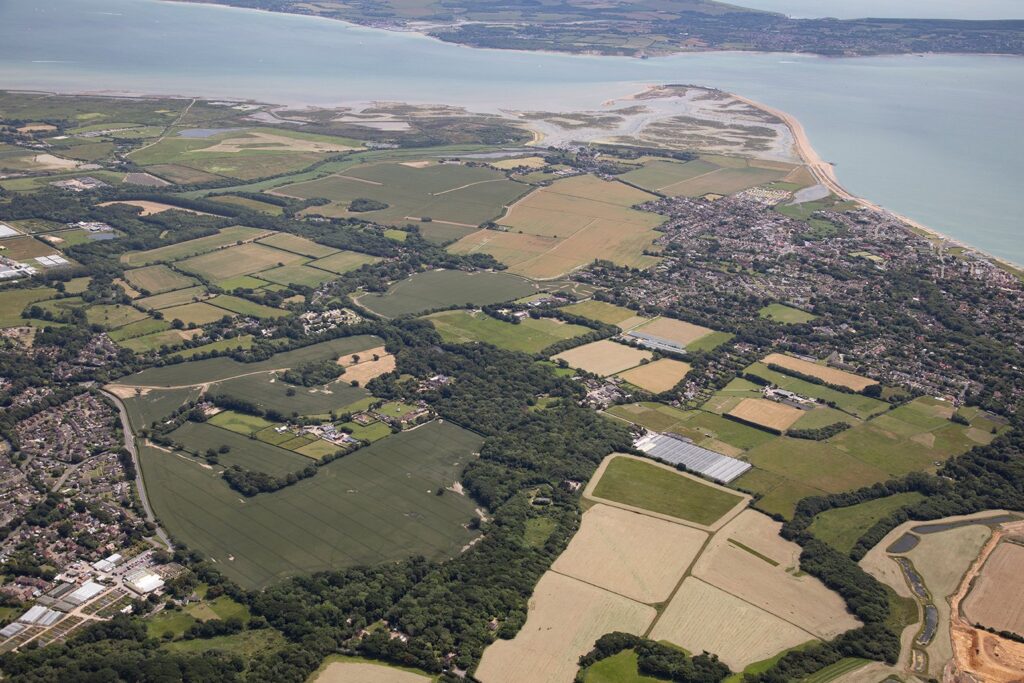
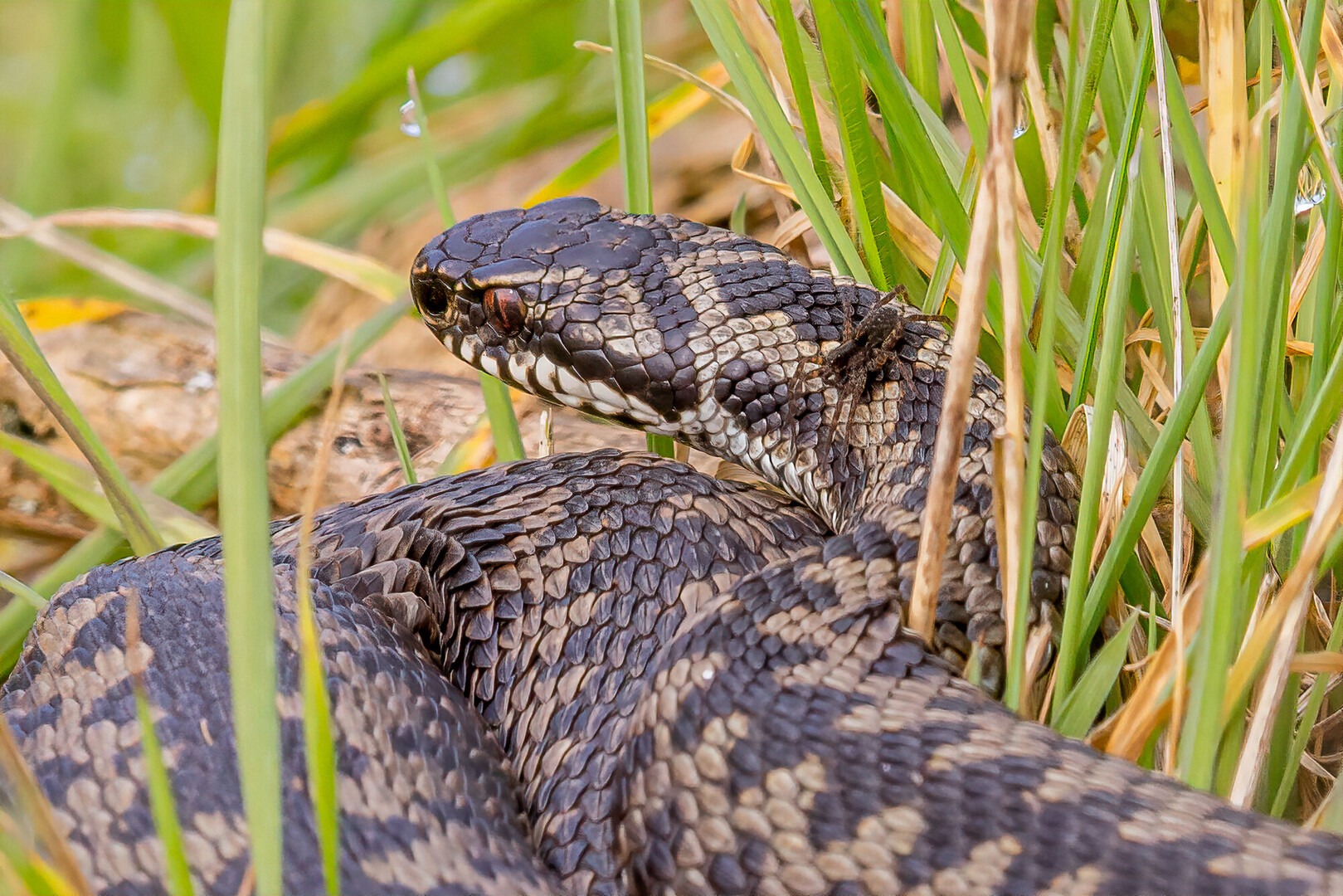
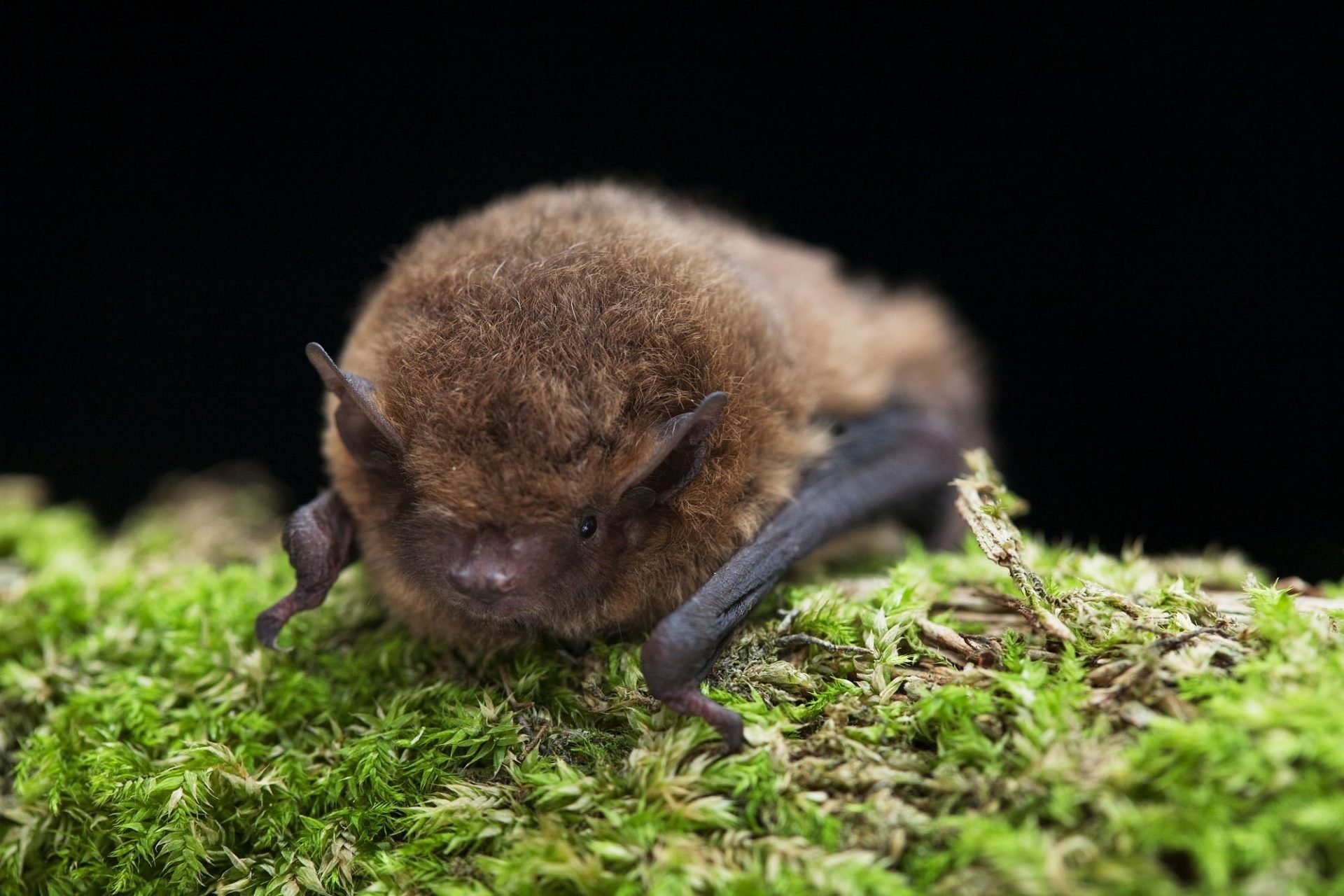
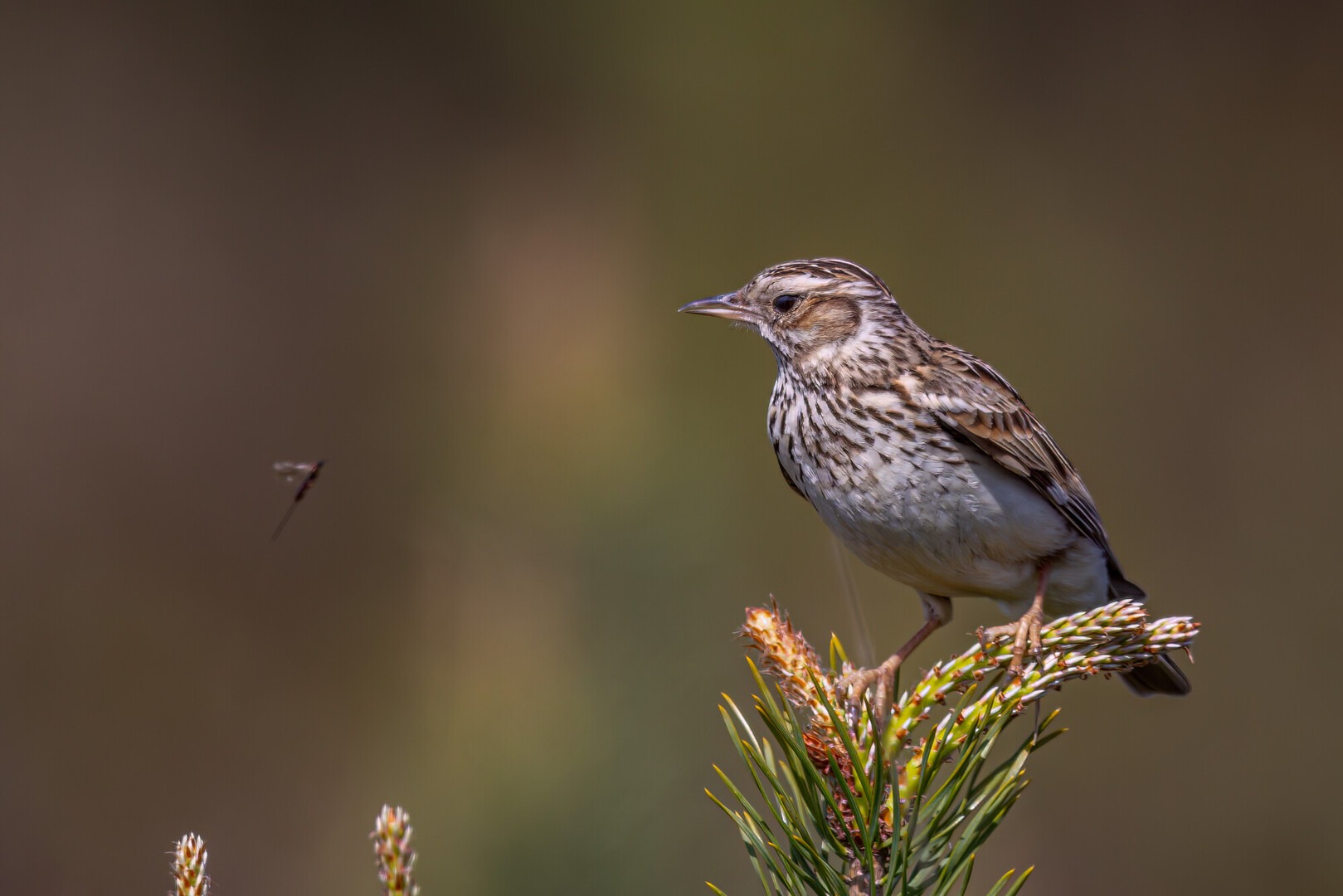
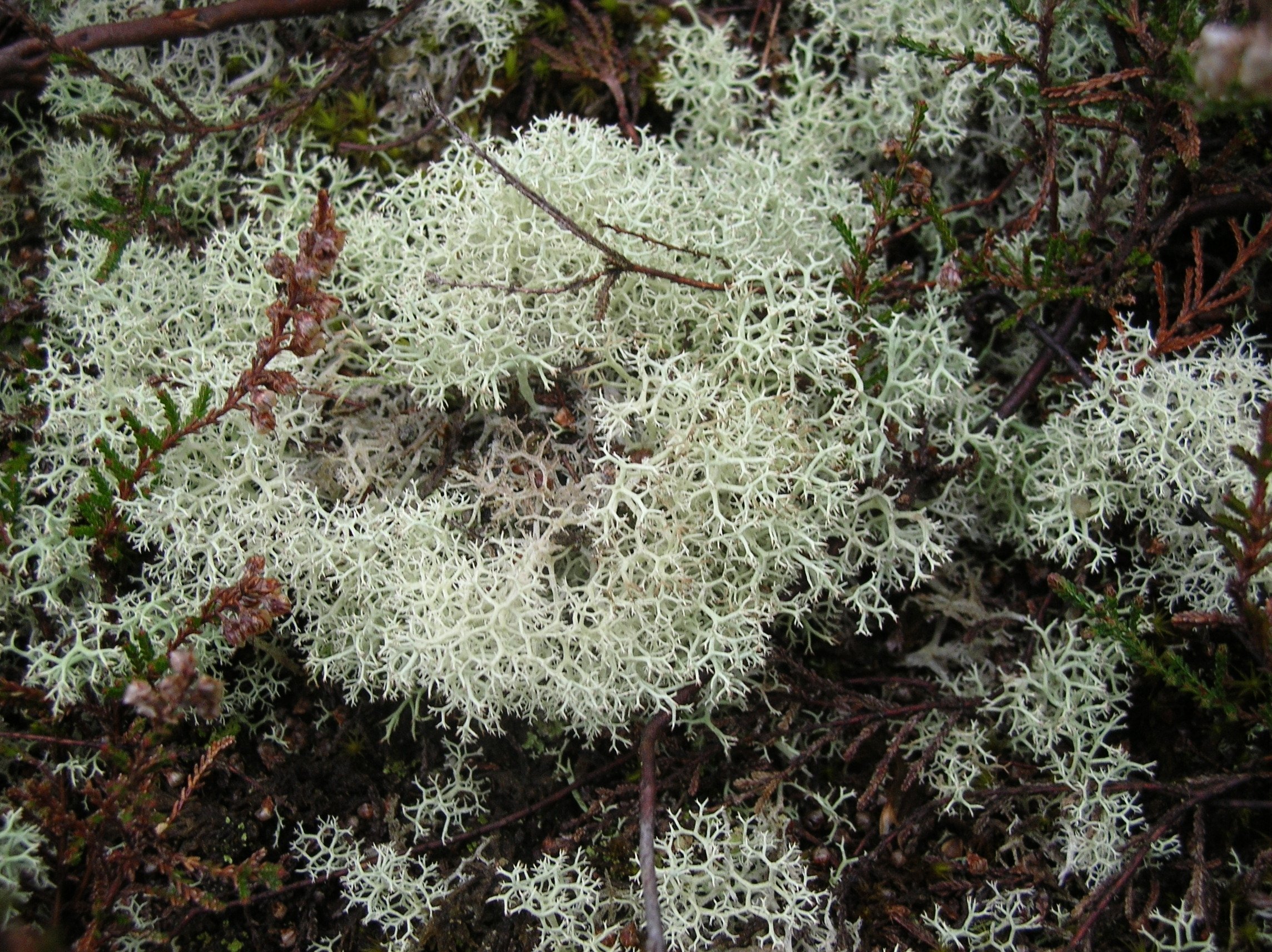
Over half the National Park is internationally important for nature with 20,000 different species found here in just a 220 square mile space in the busy south east of England. It’s an ark for nature – the last refuge for many rare species.
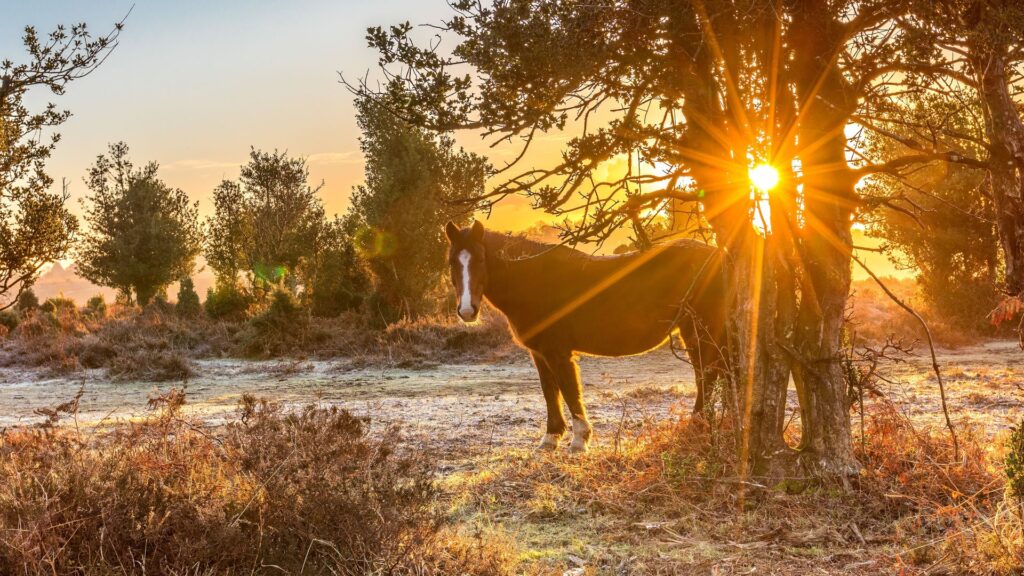
This mosaic of habitats underpinned by a commoning tradition has made it an ark for nature, as different species need different areas for food, shelter and reproduction.
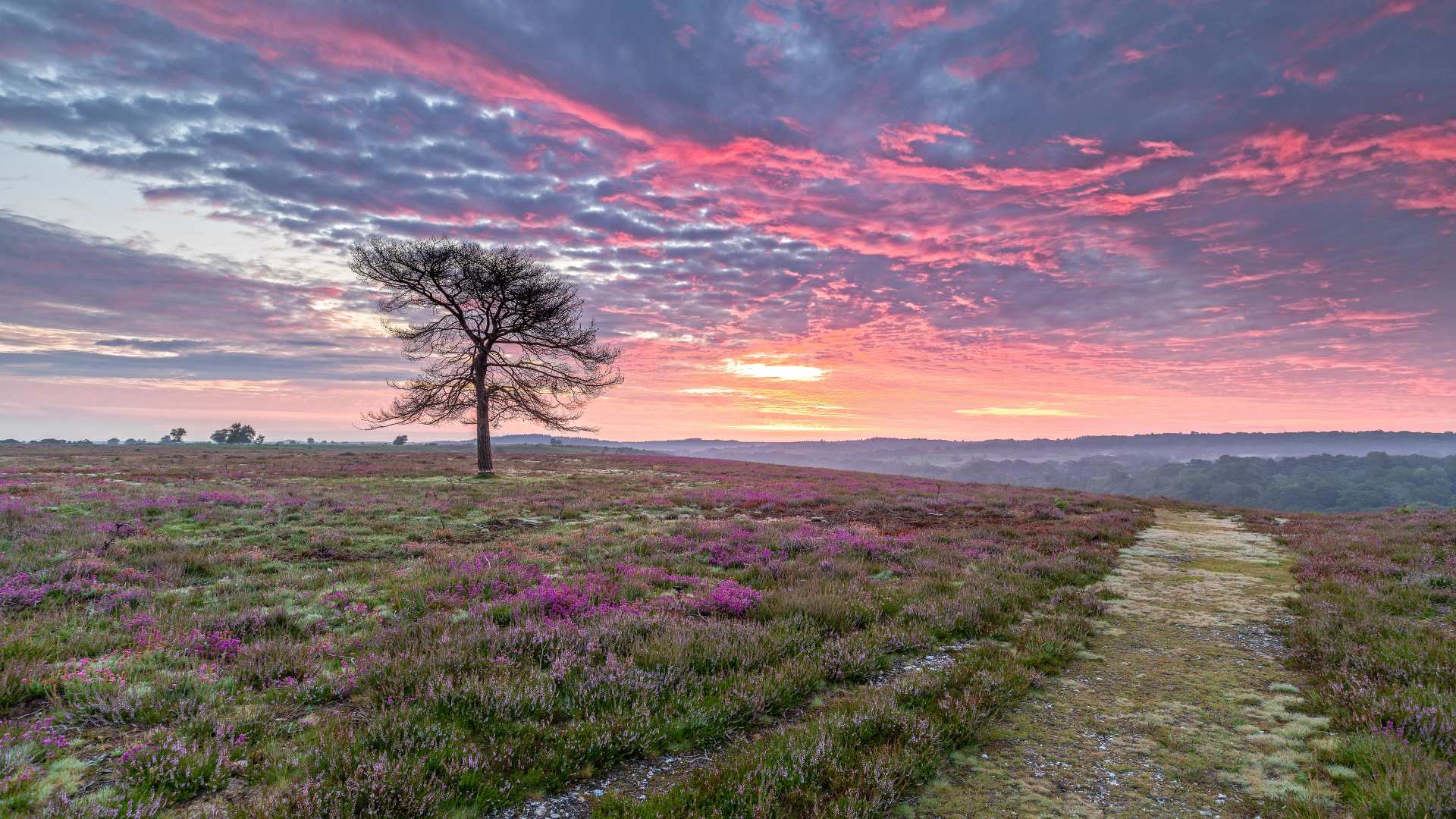
The New Forest has the most extensive area of lowland heath remaining in Europe
20,000
species of animal, plant, and fungus, approximately one third of the UK total
5,000
Ponies live in the New Forest - the 'architects of the Forest' maintain their habitats through their grazing
1,000
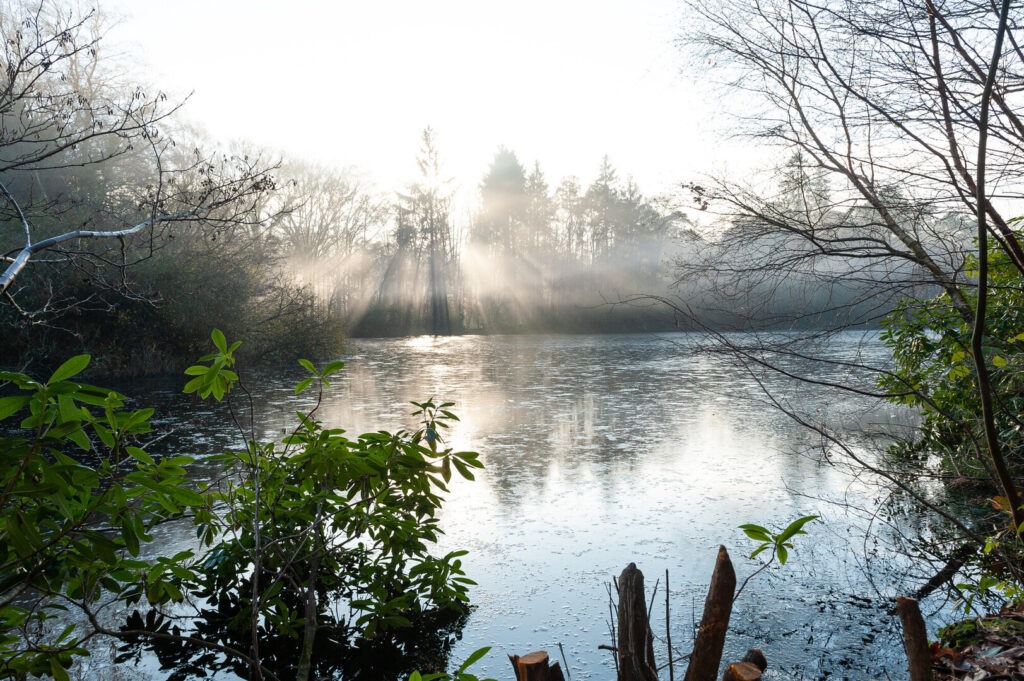
ponds, plus rivers, streams and wetlands makes it one of the most Important Freshwater Areas in Britain
75%
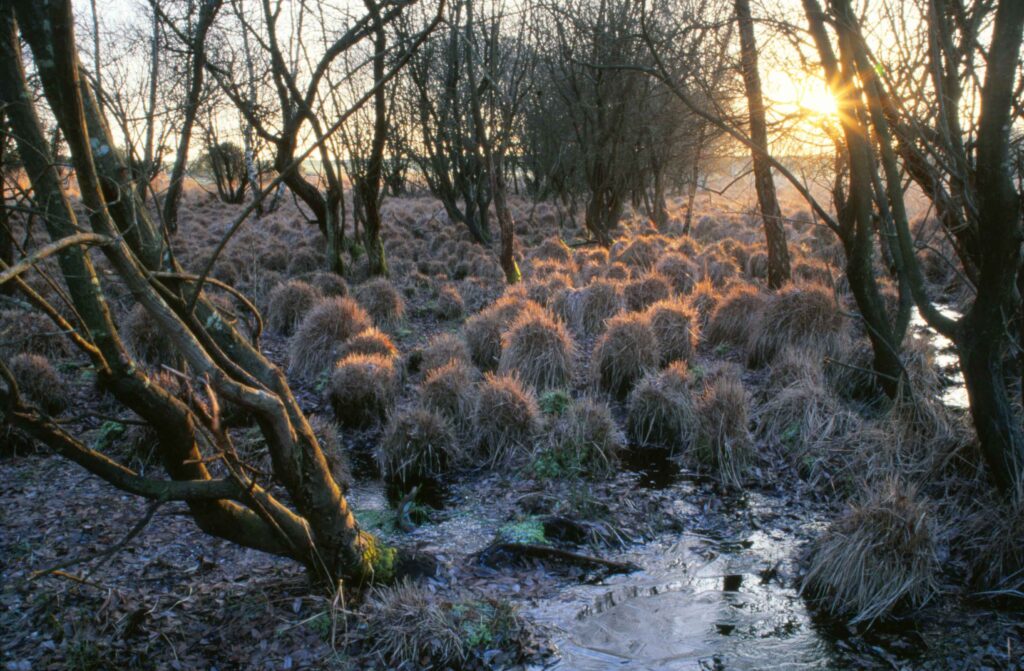
of the boggy valley mires left in north western Europe are found in the New Forest
1,000
ancient trees live around the New Forest - the highest concentration in western Europe
26
miles of internationally-important coastal habitats
1/3
of British wildflowers are found in the New Forest
75%
of the UK’s dragonfly and damselfly species are found in the New Forest
3,000
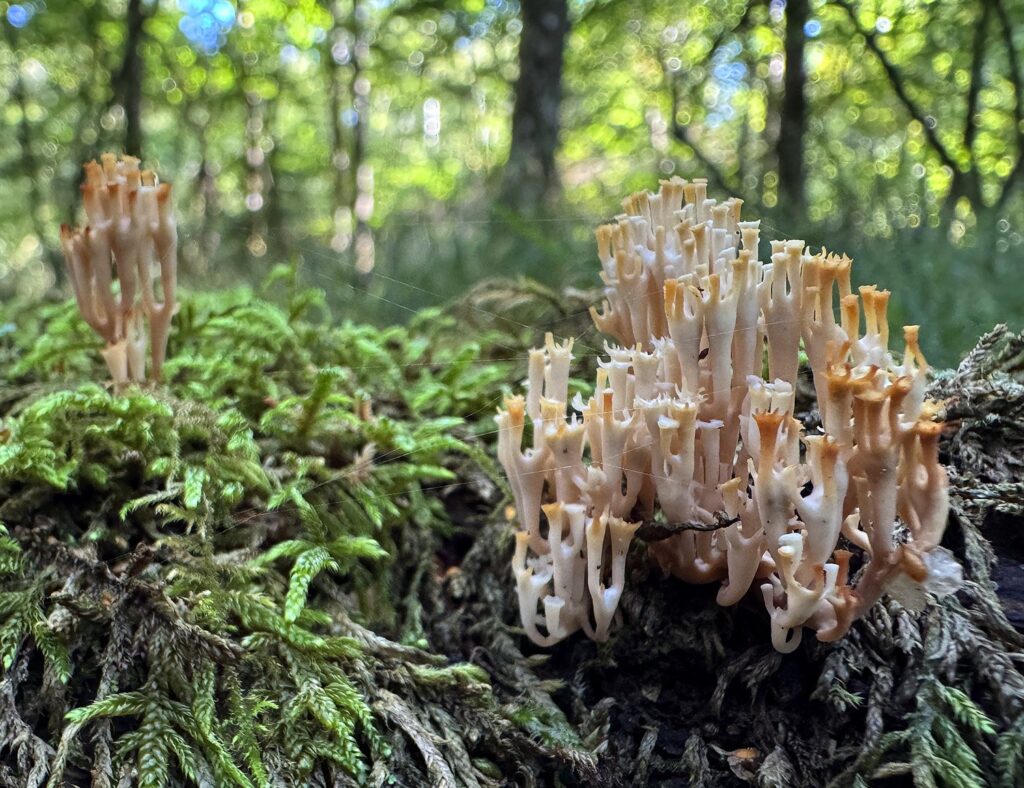
species of fungi, with new species being identified every year
46
nationally and internationally rare plant species (and for many it may be their most important remaining place in Britain)
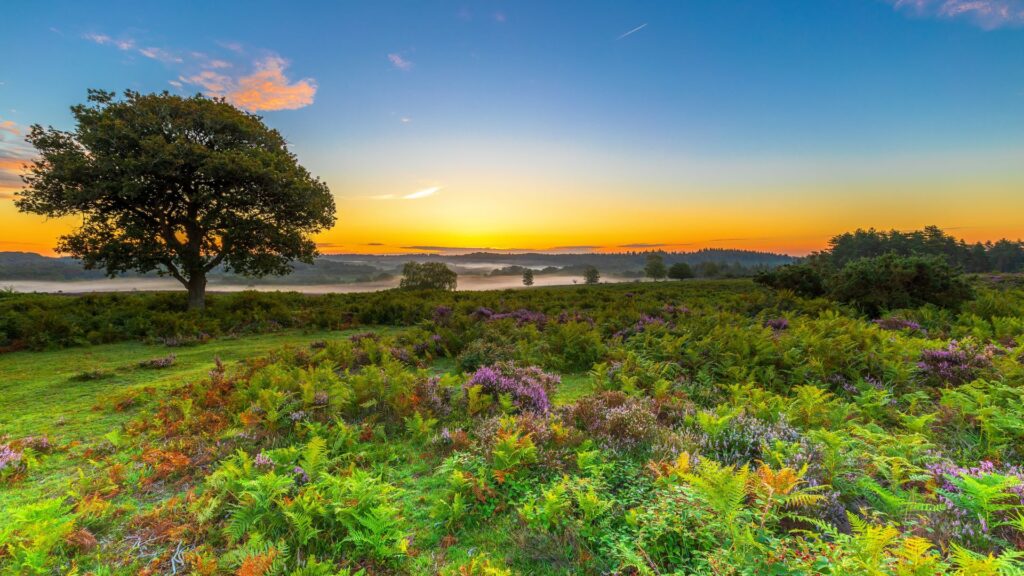
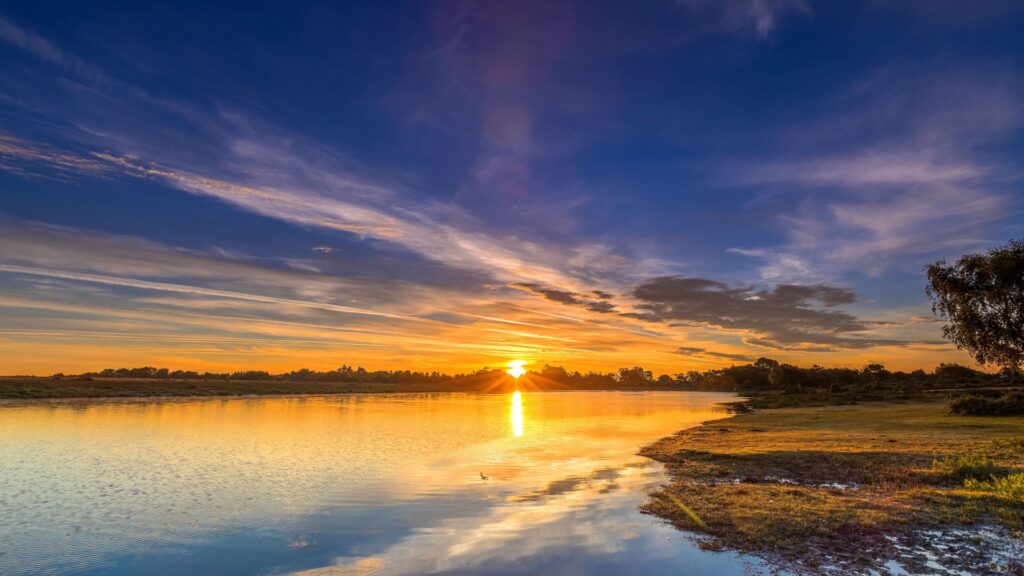
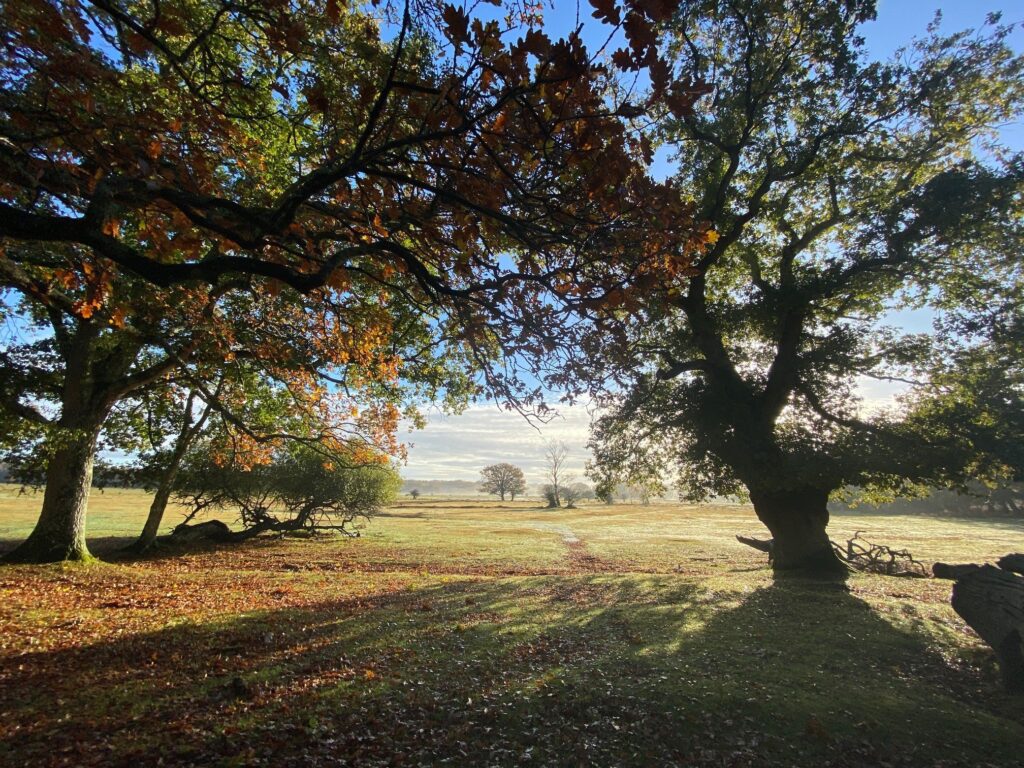
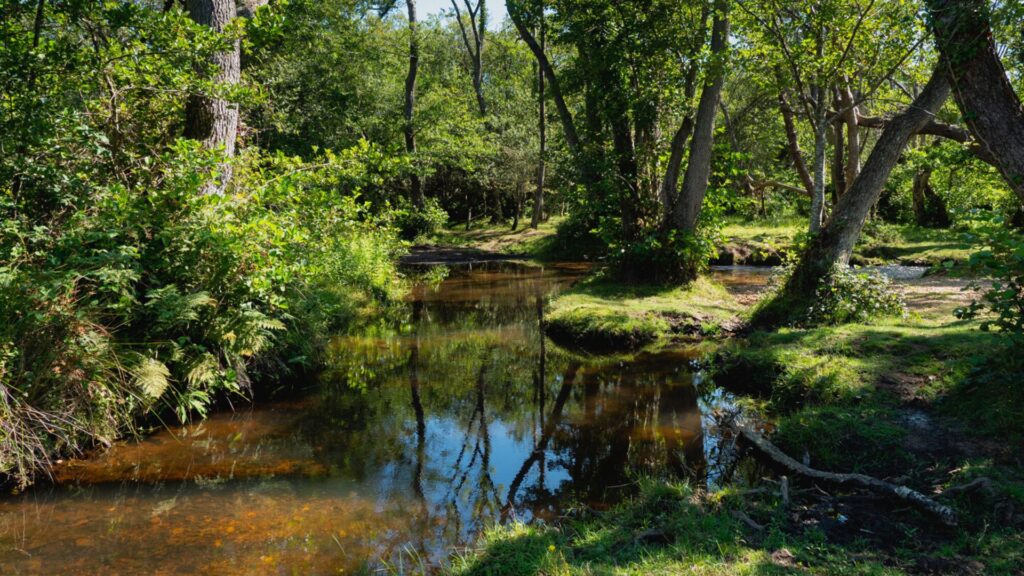
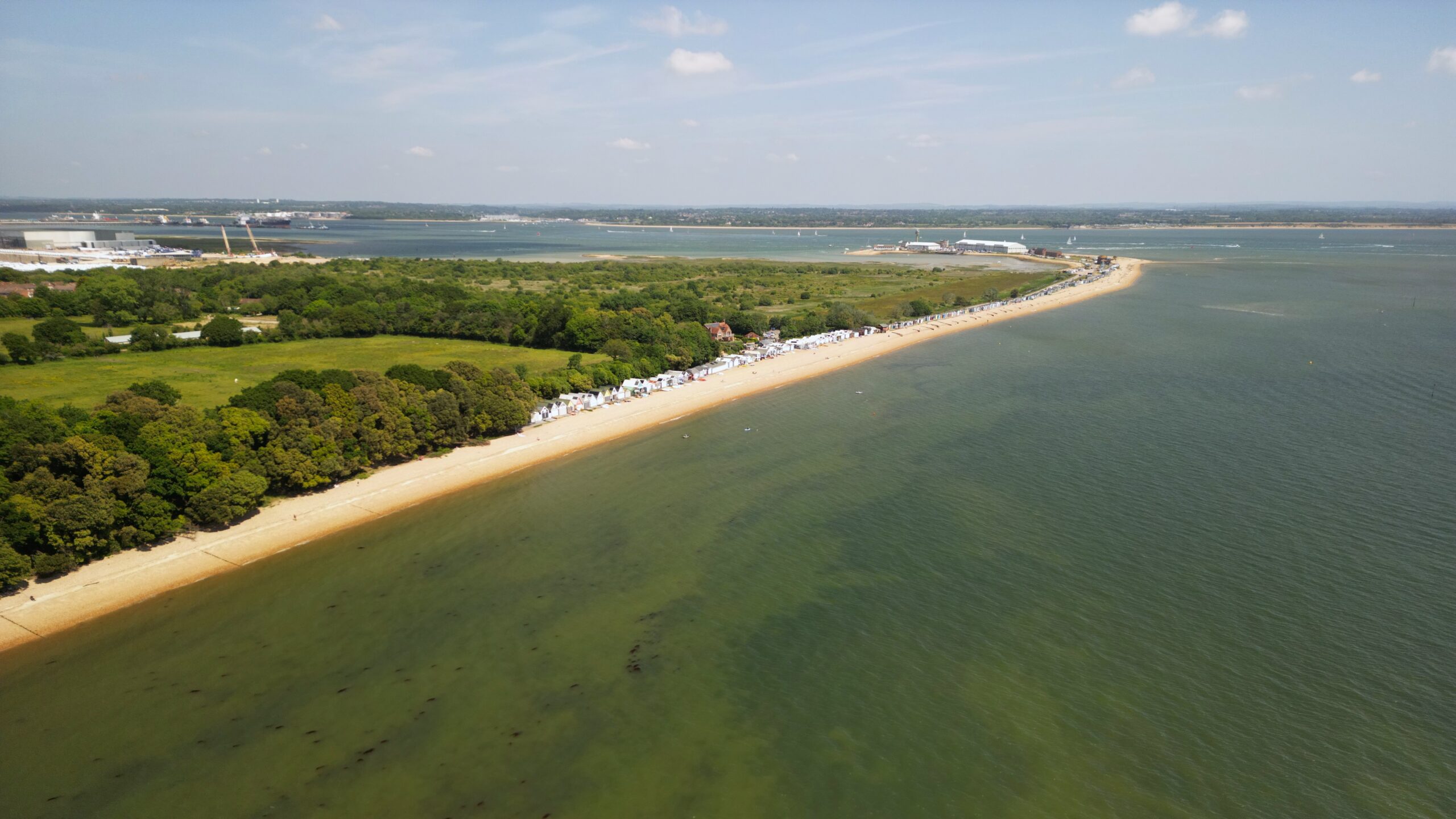
Rather than just forest as its name would suggest, the New Forest is a patchwork of ancient and ornamental woodland, open heathland, rivers and valley mires and a coastline of mudflats and saltmarshes.
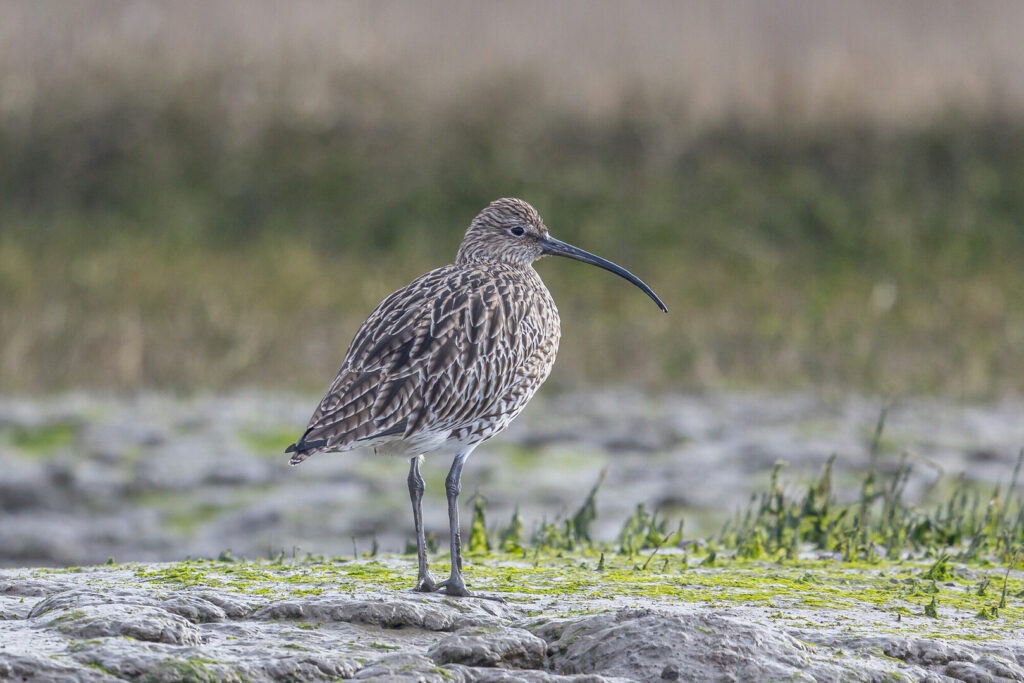
The New Forest is rich in wildlife thanks to the wonderful mosaic of wet and dry heaths, mires and bogs, ancient pasture woodland, coniferous plantations, acid grasslands, mixed farmland and coastline.
The State of Nature report (2023), which draws on scientific monitoring since the 1970s, showed that there has been no let-up in net losses for the UK’s wildlife.
More intensive agriculture is still driving declines in farmland nature, while climate change is also having an increasing effect, with average UK temperatures rising by 1C since the 1980s.
The state of wildlife in the New Forest remains a major concern, with just over 50% of our Sites of Special Scientific Interest (SSSIs) judged to be in ‘favourable condition’.
The Re:New Nature part of the joint New Forest National Park Partnership Plan is focused on nature recovery, and highlights the urgent need for action to make sure the National Park’s habitats are more resilient, better managed for wildlife, bigger and more joined up. This is our contribution to 30 by 30.
It has clear nature recovery targets. Defra published its Protected Landscapes Targets and Outcomes Framework in 2024 with targets for us and our partners to reach in given timescales.
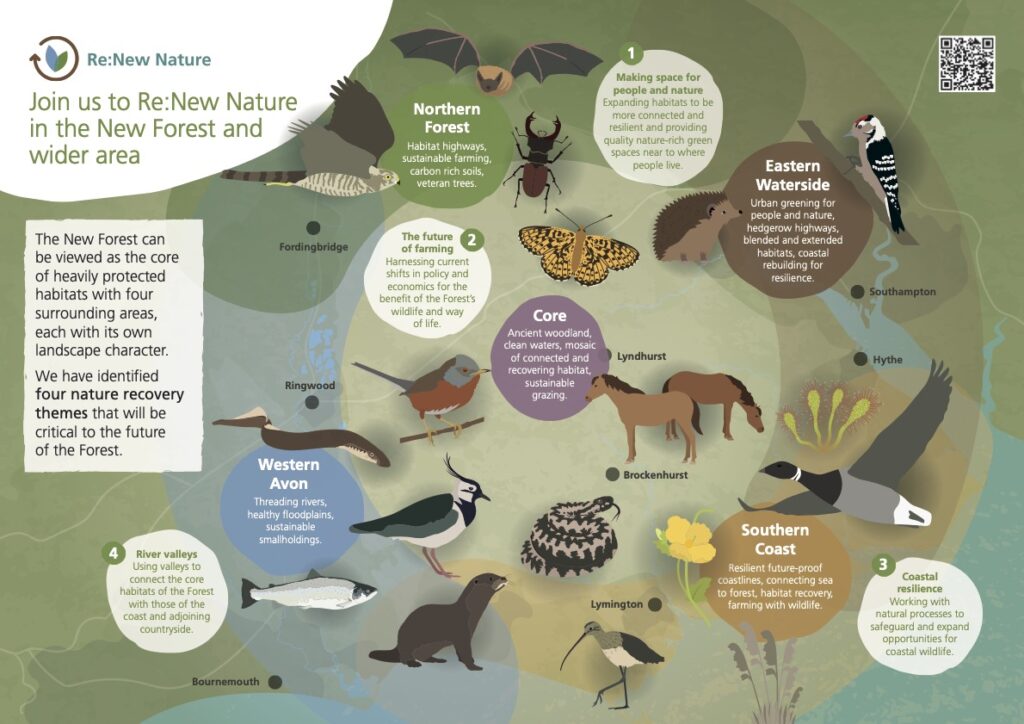
The New Forest can be viewed as five areas including the core of heavily protected habitats, plus four surrounding areas, each with its own landscape character. Here is our collective vision for each:
View the ReNew Nature recovery map.
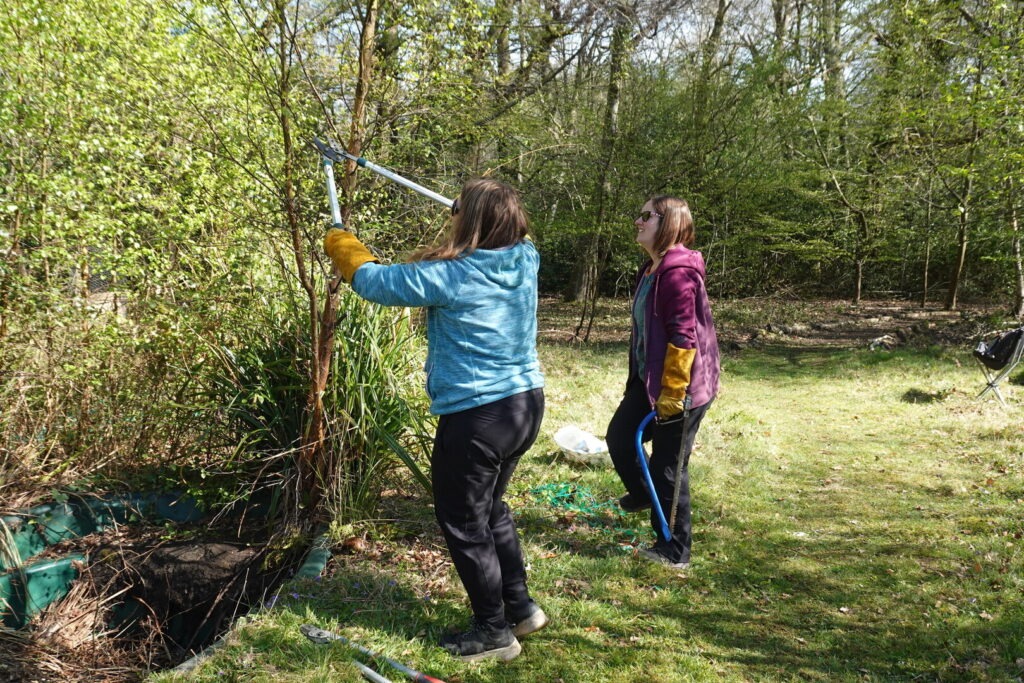
The key to helping New Forest nature recover lies in our approach to land management and recreation management. We have identified four nature recovery themes that will be critical to the future of the Forest.
View the ReNew Nature recovery map.
We have identified at least 10,000 hectares(actual 9,240ha) – the size of 14,000 football pitches of habitat that provides opportunity of nature recovery.
This includes:
This would need an estimated £24 million (2020 figures) to create and maintain for 10 years.
Read the ReNew Nature Challenge document.
'We all share a love of the New Forest. We want the Forest to thrive, we want nature to thrive and we want commoning to thrive'
Andrew Parry Norton, Chair of the Commoners Defence Association
Find out how we are doing on our path to drive nature recovery in the New Forest through our Partnership Plan progress.
It has the critical natural assets. It has networks of people passionate about the place and rooted in traditional knowledge. We want to work together with landowners, land managers, communities and investors to develop projects and ideas and secure resources together to Re:New Nature in one of the best and most iconic places for nature in Europe.
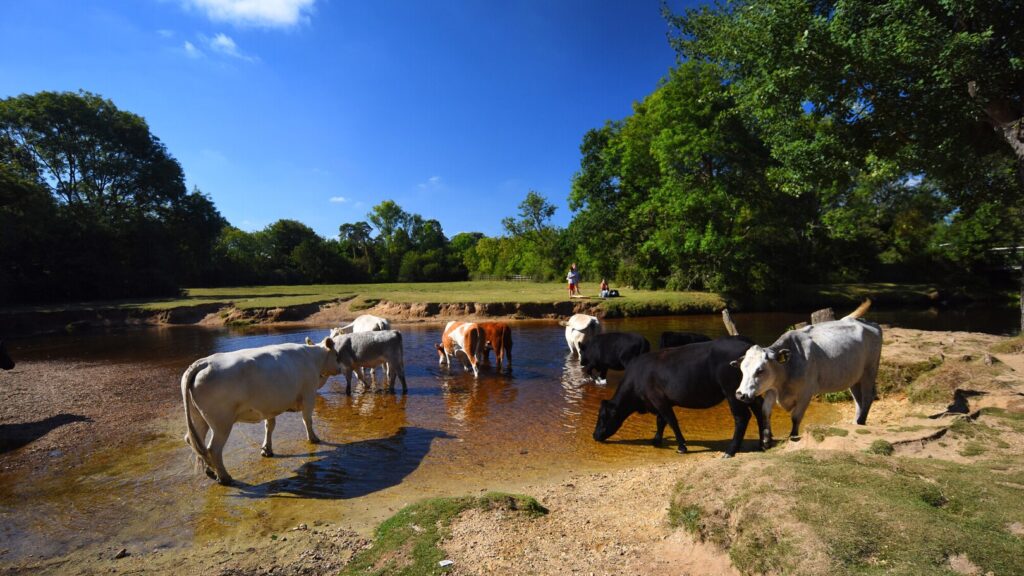
Keep your distance from the animals and don't feed or pet them - you may be fined.
Keep your distance from the animals and don't feed or pet them - you may be fined.
Keep your distance from the animals and don't feed or pet them - you may be fined.
Keep your distance from the animals and don't feed or pet them - you may be fined.