Built Heritage
Our Historic Environment
The New Forest is well known for its free roaming animals, beautiful landscape and ancient commoning traditions.
But the area’s distinctive and attractive buildings also make an important contribution to its unique character.
There are hundreds of beautiful buildings that make the National Park such a special place.
Listed buildings
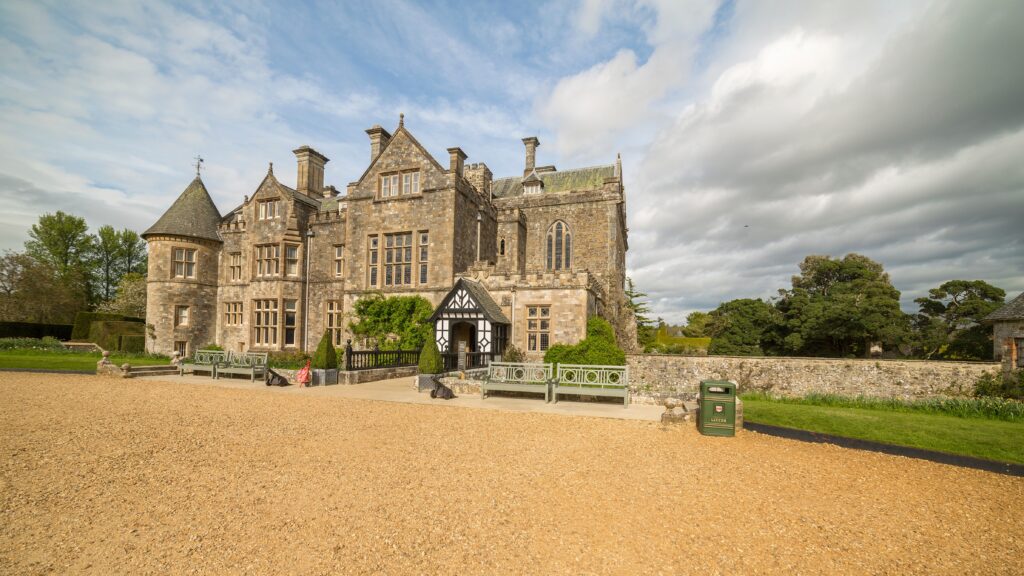
There are over 600 listed buildings in the New Forest National Park, ranging from the ‘Grade 1’ Palace House at Beaulieu (pictured) to everything from hotels, country houses, cottages and pubs to garden walls, phone boxes and war memorials.
Listed buildings are buildings officially defined as being of special architectural or historic interest recorded on the National Heritage List and designated into three grades:
- Grade I – Buildings of exceptional interest (these represent about 2.5% of listed buildings in England).
- Grade II* – Particularly important buildings of more than special interest (about 5.8% of listed buildings in England).
- Grade II – Buildings of special interest which warrant every effort being made to preserve them (around 91.7% of all listed buildings in England).
The 621 listed buildings in the National Park range from palaces and country houses to many smaller but more typical cottages and hovels built of brick, timber frame or cob (clay earth reconstituted with water and binding aggregates). Please see our building conservation guidance documents available to download further down the page. Further interactive resources can also be found on the Hampshire Environment Record, and New Forest Knowledge websites.
What can be listed?
Buildings are listed in their entirety both inside and out, regardless of the grade. There is no such thing as just a listed façade or particular part of a building. Any object or structure fixed to the building, or included within the curtilage of the building but not attached to it may also be included in the listing.
How to ‘list’ a building
Occasionally buildings are added to the list maintained by Historic England, the central government agency responsible for statutory listing. Anyone can submit a building to Historic England (with specific and as much supporting information as possible) to be considered for listing.
Discover how we help to care for listed buildings through our planning service and the full list of all those designated.
The Local List
Whereas around 2% of properties in the area are Grade I, II* or II listed by Historic England in recognition of their national significance, there are many more which are now on the New Forest National Park Authority’s ‘local list’.
These include buildings considered important enough locally for their character and appearance to be preserved. The Authority recently received funding from Historic England to enhance and expand its local list which currently includes among others: Beaulieu Village Primary School; Beaulieu Delicatessen in the High Street; the Royal Oak pub at Fritham and Brockenhurst Primary School.
Local listing ensures that the architectural or historic interest of these buildings are protected. It doesn’t mean there are any further controls that already apply to a property, but the Authority gives them special consideration when planning applications are submitted.
What is a typical New Forest building?
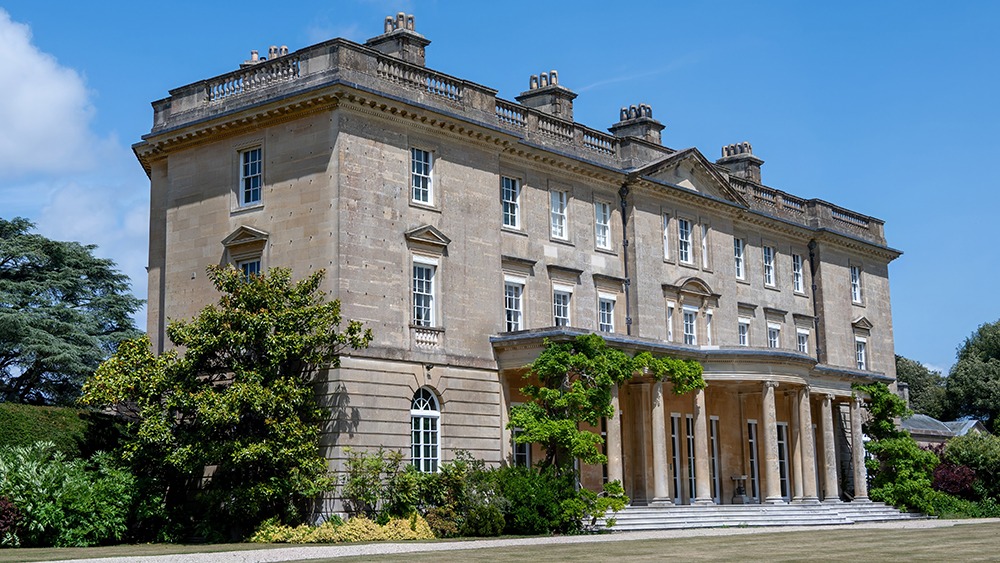
The answer is there isn’t an overall ‘New Forest’ style, but instead, various areas of the New Forest are defined by different architectural characteristics. The National Park includes commoners’ dwellings, estate cottages and cob buildings, as well as larger nationally listed buildings such as Exbury House and Beaulieu Palace.
In Brockenhurst, for example, buildings are mainly brick, and the main traditional roofing material is hand-made clay tiles; tile hanging on building walls, particularly using decorative patterns, is a prominent feature in the area. Windows and doors are generally made of timber, and hedges are important enclosure features, particularly in the more built up areas.
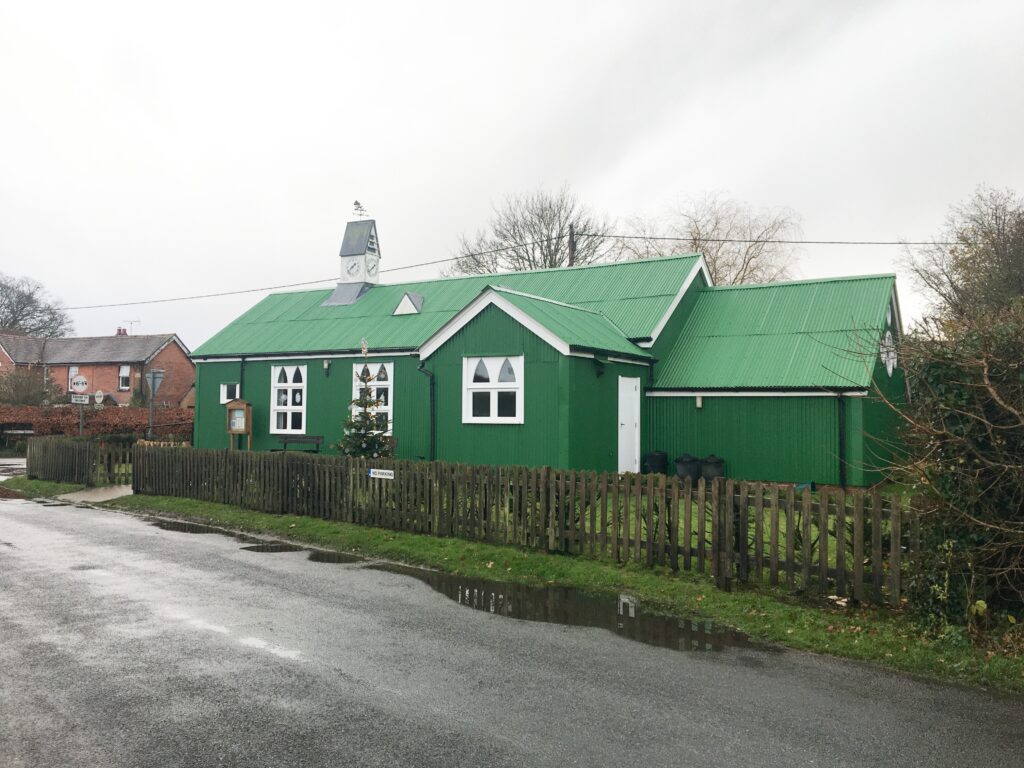
In the north east of the Forest, slate is the main roofing material on 19th and 20th century buildings, while thatch and clay tiles appear earlier (18th century and before). Chimneys are a predominant local feature on the mainly brick buildings, and in places Bridgwater style clay tiles and corrugated iron have been used for roofing and cladding. Some important examples of iron railings at community buildings remain.
In the west, traditional construction materials are cob and timber frame with some examples of higher status brick. Thatch is the main roofing material—commonly used from the 16th century onwards. In the 18th and 19th centuries, tile roofs were mainly linked to high-status brick buildings, and slate became popular in the mid-19th century.
Find out about the 20 historic conservation areas of the National Park
These documents lay out the history of each conservation area. They also list the materials, textures, colours, and detailing that are typical of the local architecture, which contributes to the special character of the conservation area.
Conservation areas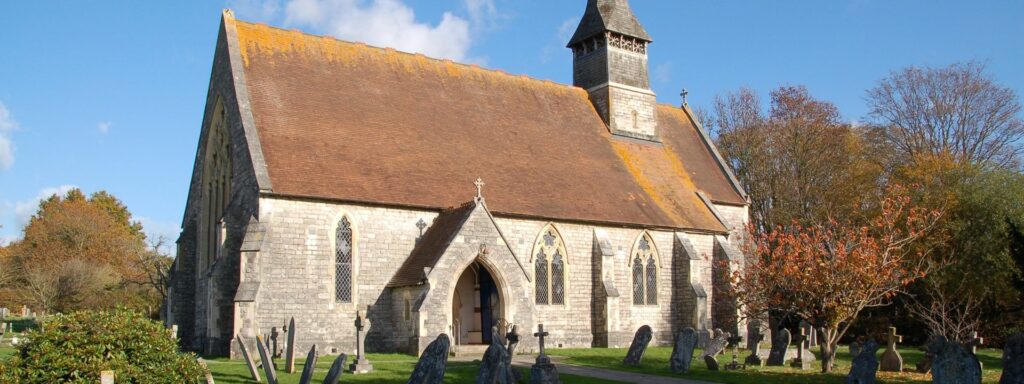
Churches
Many New Forest churches have fascinating historical, artistic and literary associations.
Well-known and very influential national architects gained commissions to design local churches for growing populations, such as Butterfield at Emery Down, Romaine-Walker at Brockenhurst, and the exuberant and colourful parish church in Lyndhurst by William White (1860s).
There are seven medieval churches in the New Forest which often started as chapels attached to the local manor. Some have been replaced with later churches and many new ones were built to serve the increased population and different denominations, particularly in the late 18th and 19th centuries.
Download our guides below.
New building design
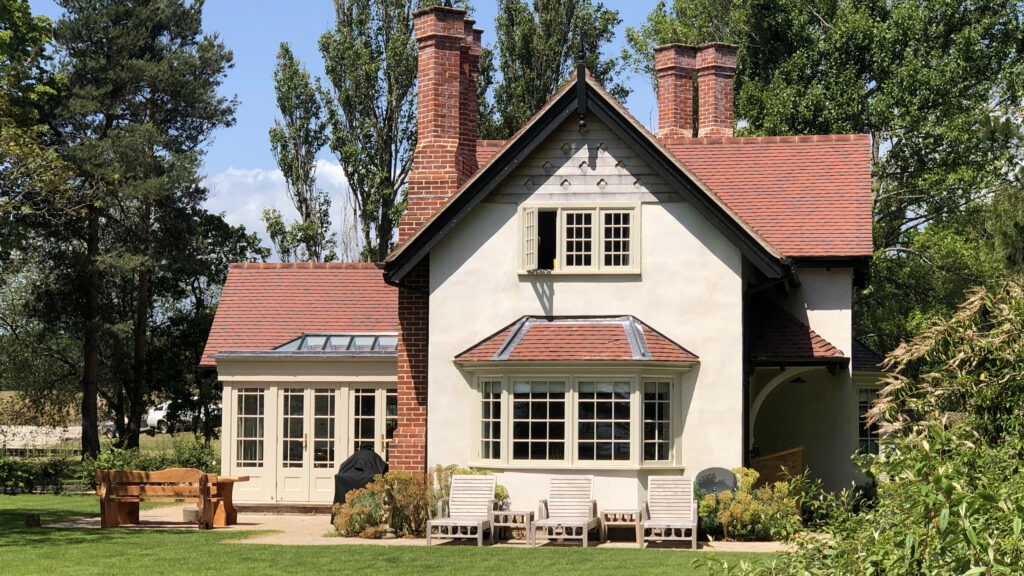
As the planning authority, we seek to ensure new development conserves and enhances the built heritage of the National Park.
Each year many high quality new buildings are constructed that enhance Forest communities, while others are improved, and our our annual building design awards celebrate exceptional developments.