24 March 2026
Climate risks to species
Our species under threat
The New Forest is increasingly recognised for its exceptional diversity of species, which includes an estimated 20,000 species of animal, plant, and fungus. Climate change is currently the second most important driver of change in the abundance of species and their distribution (the main driver in the UK is changes in land use, mainly due to agriculture).
Climate determines where species can live, so ultimately species that can’t tolerate changing conditions in their current range or can’t successfully move out of areas that become unfavourable into suitable habitat elsewhere will face extinction.
Species responses to climate change include changes in their:
• distribution
• phenology and behaviour
• physiological and/or genetic evolution
• interactions that occur between species, such as predator-prey (food web) or other relationships.
New species are arriving naturally in the UK in response to the changes in climate that are already occurring such as the Little Arboreal Ladybird (pictured above). New species are expected to continue arrive.
Learn more about the state of nature in the UK and read about changing phenology.
Winners and losers
Winners
Climate change creates opportunities for multiple New Forest species to expand into new areas outside the National Park, with the potential to improve biodiversity in other regions.
The potential for success depends on many factors including:
- the existing size of the species’ population
- its capability to disperse
- the availability of habitat and food
- pathways and barriers such as streams, verges, and roads.
Losers
There is potential for species that can’t tolerate the modified local climate to be lost, including tree and plant species that may lead to changes to the visual landscape.
However variations in microclimate provided by the wide diversity of habitats in the New Forest provide a buffer to climate change at very local levels. These offer refuge and may enable climate-sensitive species to survive beyond large-scale climate thresholds.
What we can do
Supporting wildlife by providing high-quality habitats across the whole landscape of the National Park and surrounding areas is vital for increasing climate resilience.
The Wildlife Trusts and many other organisations (RHS, Wildlife Gardening Forum, Freshwater Habitats Trust) provide resources and advice to help support wildlife in our gardens and outside spaces.
The Dasgupta review, commissioned by the Treasury, provides an in-depth analysis of the role of nature, and of the critical importance of biodiversity within our economic system.
The changing seasons
Phenology is the study of the timing of recurring natural events in relation to climate.
This usually has a focus on spring and autumn events (often focusing on first and last occurrences) such as bird migration, egg laying or spawning, flowering or leafing of plants, emergence of invertebrates, fruiting of fungi, fish migration, and breeding of mammals.
In the UK, temperature is an important trigger for spring events. There is a large body of evidence showing that spring events are occurring earlier and some evidence of delayed occurrence of autumn events.
The UK tracks a spring index calculated from the annual mean observation date of four biological events:
- first flowering of hawthorn
- first flowering of horse-chestnut
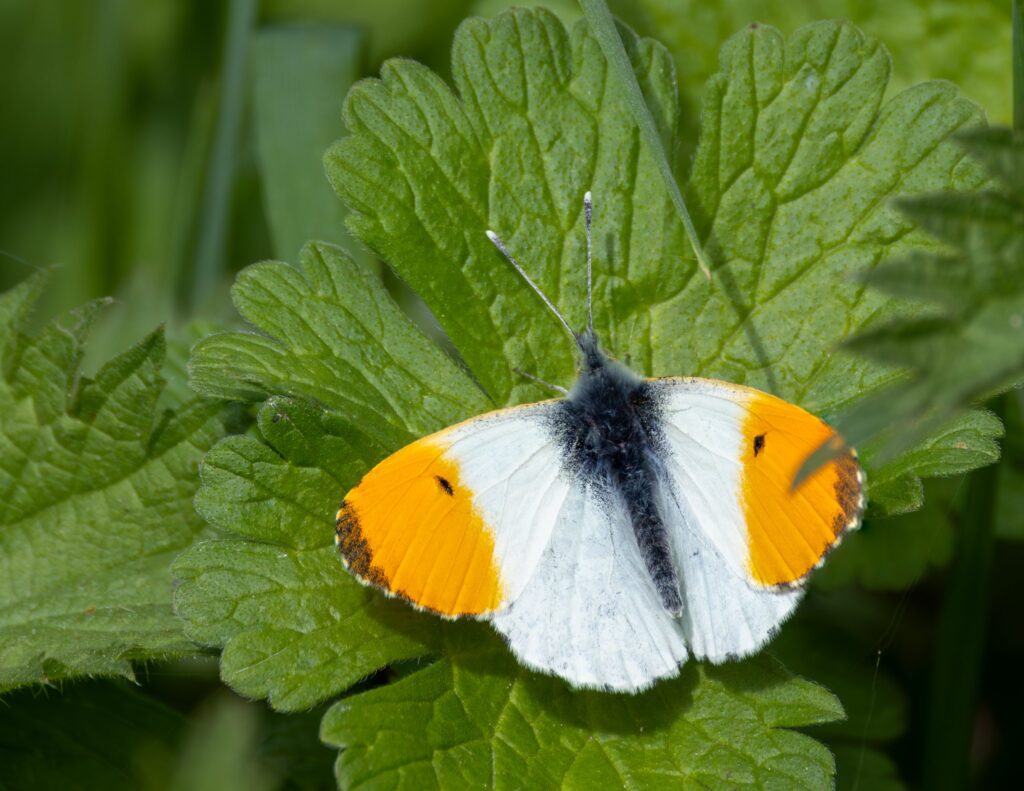
- first recorded flight of an orange-tip butterfly
- first sighting of a swallow.
The earlier occurrence of spring events is strongly linked to warmer temperatures in March and April. The difference between the averages of the two periods shown is 8.6 days. There is a marked increase in the spring advance when the mean March to April temperature is above 7°C.
Mammals
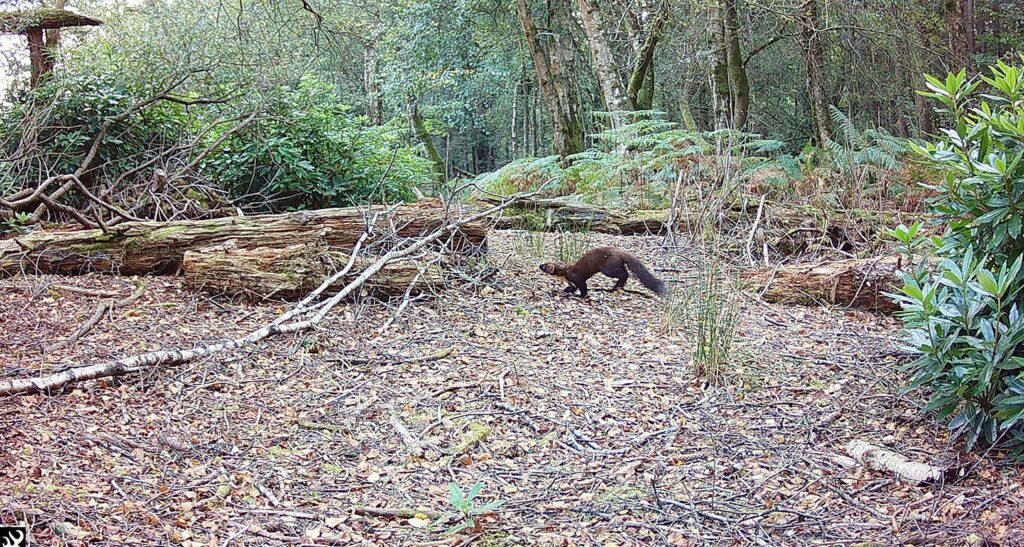
The New Forest habitats support a range of mammals, including 18 species of conservation concern, namely water vole, otter, polecat, pine marten, dormouse and 13 species of bat. Five species of deer are found here.
The New Forest hosts 13 of the 18 UK bat species including nationally important populations of Bechstein’s Bat and Barbastelle that mainly roost in old / dead broadleaf trees.
A new population of pine martens is also highly reliant upon deadwood in ancient woodland habitats in the New Forest. Any changes to the composition, age structure and abundance of deadwood in New Forest woodlands due to climate change is likely to impact these species.
Bats and other insectivores may also be impacted by the changing availability of prey, including climate-driven changes in prey distribution, abundance, and phenology.
For example, the invasive and rapidly increasing non-native micro-moth ‘Musotima nitidalis’ has a longer flight season into late autumn and is likely benefitting from milder conditions in these periods – in the last five years it has become abundant in bracken-dominated woodlands in the New Forest and may therefore provide an additional new food resource for bats and other insectivores at a time when relatively few native species are on the wing.
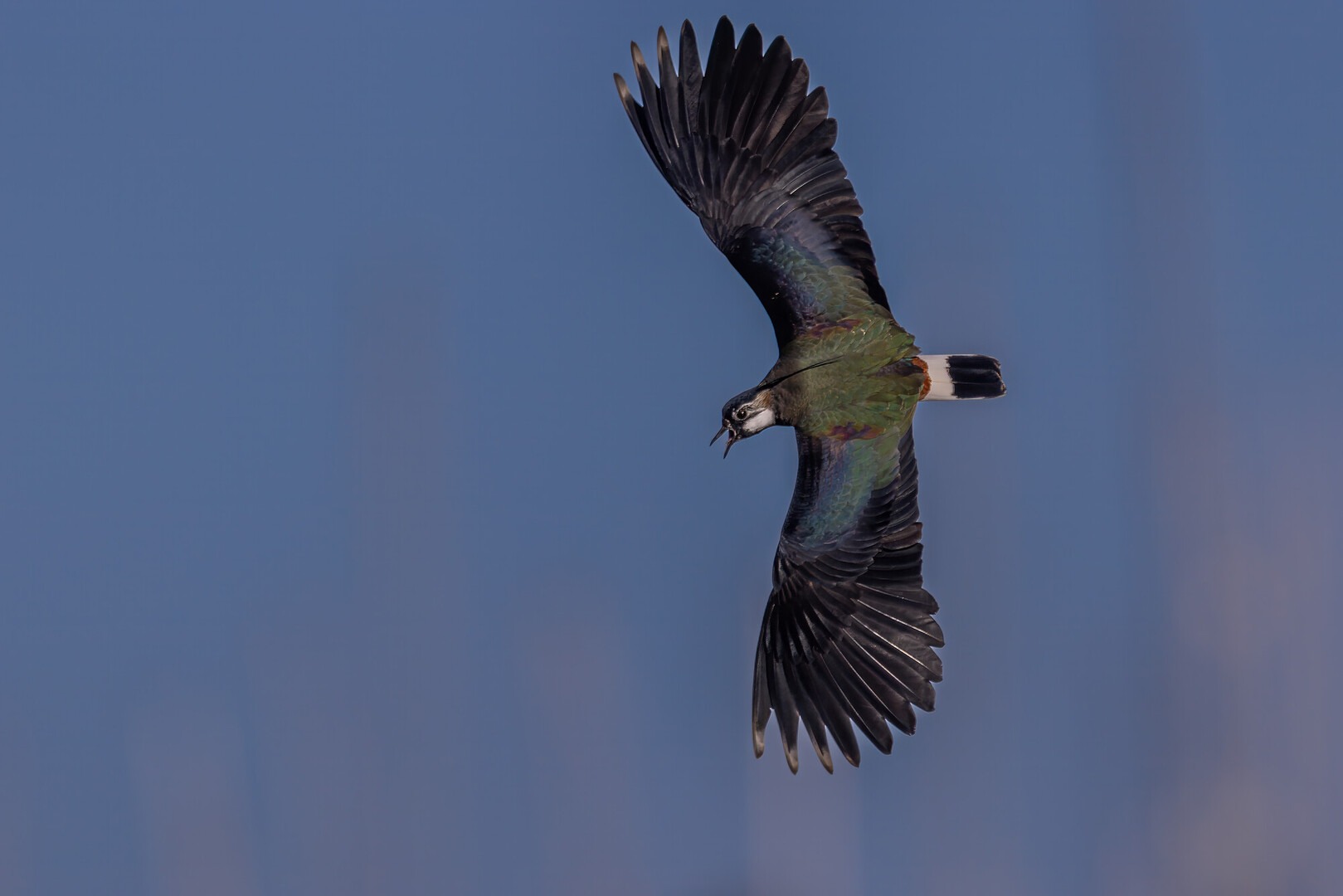
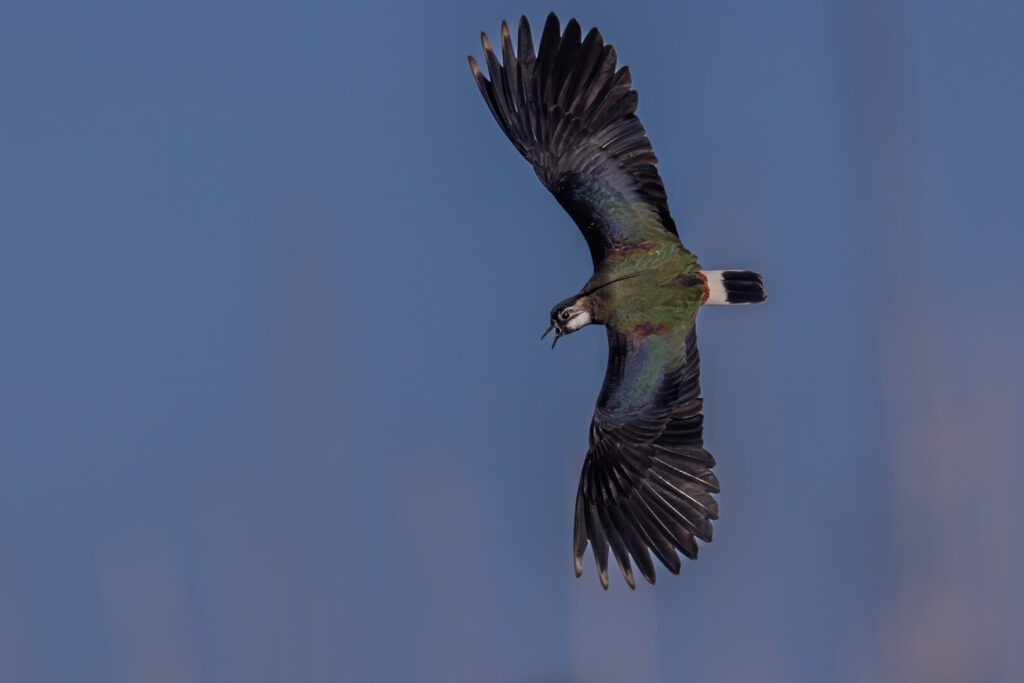
Increased overwinter survival of generalist predators and perceived ‘pest’ species (such as grey squirrel, red fox, various deer and rodents) can negatively impact native animal and plant species, e.g. predation of vulnerable ground-nesting birds such as curlew and lapwing and excessive grazing of tree saplings and wildflowers.
Species that hibernate (e.g. bats and hedgehogs) or enter a torpid state in winter (e.g. badgers) may be disrupted by milder winter weather, especially as energy losses during winter activity are much higher and prey availability is usually much lower than at other seasons.
The New Forest hosts a small but increasing colony of seals, primarily grey seal but with smaller numbers of common/harbour seal and these are likely to be impacted by climate-driven changes to coastal habitat (e.g. loss of haul-out and pupping sites due to coastal squeeze), prey availability (e.g. changing distribution of fish species), and waterborne diseases and harmful algal blooms associated with warming sea temperatures.
Birds
The New Forest supports exceptionally rich birdlife including internationally-important breeding populations and wintering populations, and heathland and woodland specialists.
It’s designated a Special Protection Area (SPA) thanks to its populations of European honey-buzzard (breeding), hen harrier (non-breeding), Eurasian hobby (breeding), European nightjar (breeding), woodlark (breeding), Dartford warbler (breeding), and wood warbler (breeding).
Most resident and short-distance migrating birds are stable or increasing (with increased over-winter survival thought to be a key factor), whereas almost all the long-term summer migrants such as willow warbler are decreasing.
The most rapid decline in a recent survey was shown by wood warbler, which is a feature of the New Forest SPA, but is now on the verge of local extinction. Long-distance summer migrants are being impacted by desertification and extreme weather events in their sub-Saharan wintering grounds and during their annual migrations, additional to ‘intrinsic’ factors on their breeding grounds.
Conversely, the study showed increases in two short-distance summer migrant species (blackcap and chiffchaff), which have also become established as wintering species in our region.
A cohort of southern species have colonised the New Forest in recent decades, including little egret and firecrest that are now well-established and familiar residents. In addition, species at their northern range limit such as Cetti’s warbler, Dartford warbler and woodlark are benefiting from an overall reduction in hard winters, while at wetland sites spoonbill and great white egret are increasingly common winter visitors (and likely future breeding species).
As well as climate change ‘colonists’ that are benefiting from overall warming conditions, some species are climate change ‘refugees’ that are predicted to be increasingly displaced by long-term desertification and/or acute drought events in southern Europe, with examples including black-winged stilt and glossy ibis.
Several migratory species that have traditionally moved south and west to winter in the New Forest are now ‘short-stopping’, with warmer winters allowing them to winter further north and east closer to their breeding grounds.
This is driving declines in several species of wintering waders and wildfowl, including common species such as dunlin, shelduck and red-breasted merganser and less common species such as Bewick’s swan, European white-fronted goose and smew (which are now very rare winter visitors). The great grey shrike has also recently disappeared as a wintering species, with short stopping thought to be a potential factor.
Coastal breeding birds are being impacted by sea-level rise and extreme storm events, particularly gulls, terns, and waders that nest on offshore saltmarshes and shingle banks.
Breeding waders of the New Forest interior such as curlew, lapwing, snipe and redshank may be impacted by spring/summer drought that leads to wetland habitats drying out – this can increase access for mammal predators, people and dogs, and may lead to reduced vegetation growth leaving chicks more exposed to bird predators.
Reptiles and Amphibians
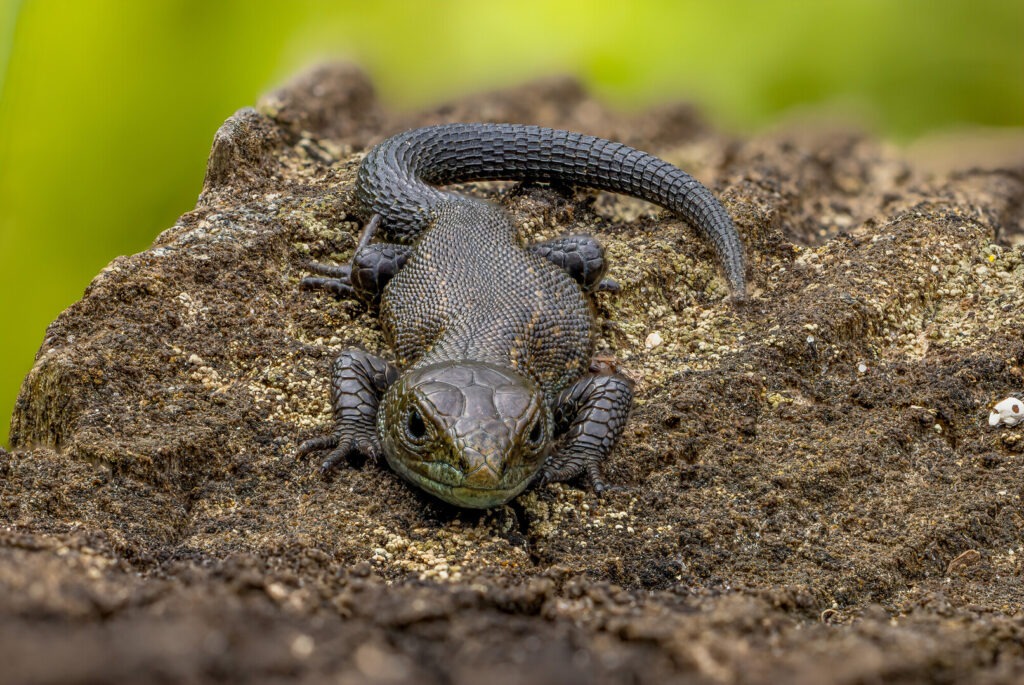
The New Forest is of national importance for reptile and amphibian populations, supporting all six native species of reptile (grass snake, smooth snake, adder, sand lizard, common lizard, slow-worm) and five of the seven native species of amphibian (common frog, common toad, smooth newt, palmate newt and great crested newt).
It is of international importance for its population of great crested newt, supporting an estimated population of between 500-1,000 individuals across 13 locations.
Ongoing heathland and wetland restoration work in the New Forest is increasing the quantum, quality and connectivity of heathland and wetland habitats for reptiles and amphibians – recent surveys have demonstrated that species such as common lizard and slow-worm can re-occupy heathland habitats within 12-24 months of conifers being cleared and that sand lizards can spread into new sites where bare sand patches are created.
Increasing resilience to wildfire and drought will be vital to protect important reptile and amphibian populations, e.g. through controlled burning/cutting of heathland and deepening important breeding ponds. Other measures such as reducing nitrate and phosphates and providing shade and movement corridors through targeted tree and hedgerow planting will benefit reptiles and amphibians.
There is potential conflict between the earlier emergence of reptiles and heathland management via controlled burning, particularly if the latter is delayed due to unusually wet winters; maintaining accurate and up-to-date records of key reptile hibernacula or winter refuges and making these available to land managers will be vital.
Reptiles and amphibians suffer significant roadkill deaths in the New Forest and major roads such as the A31 are potential barriers to movement. Providing road tunnels and green bridges may therefore reduce this mortality.
Trained volunteers play an important role in reptile and amphibian conservation in the New Forest. For example, Ringwood and Poulner Toad Patrol operates at a key road crossing point for amphibians moving between the non-breeding sites on the open forest and spawning grounds in the Blashford Lakes complex. Phenological change in amphibian populations may require changes to the timing and duration of these interventions.
Populations of non-native species such as green lizard and wall lizard are likely to be benefitting from increasing temperatures – both species currently occur at coastal sites a few
kilometres from New Forest heathland, so careful monitoring of these populations combined with early intervention will be necessary to reduce impacts on native sand lizards.
Fish
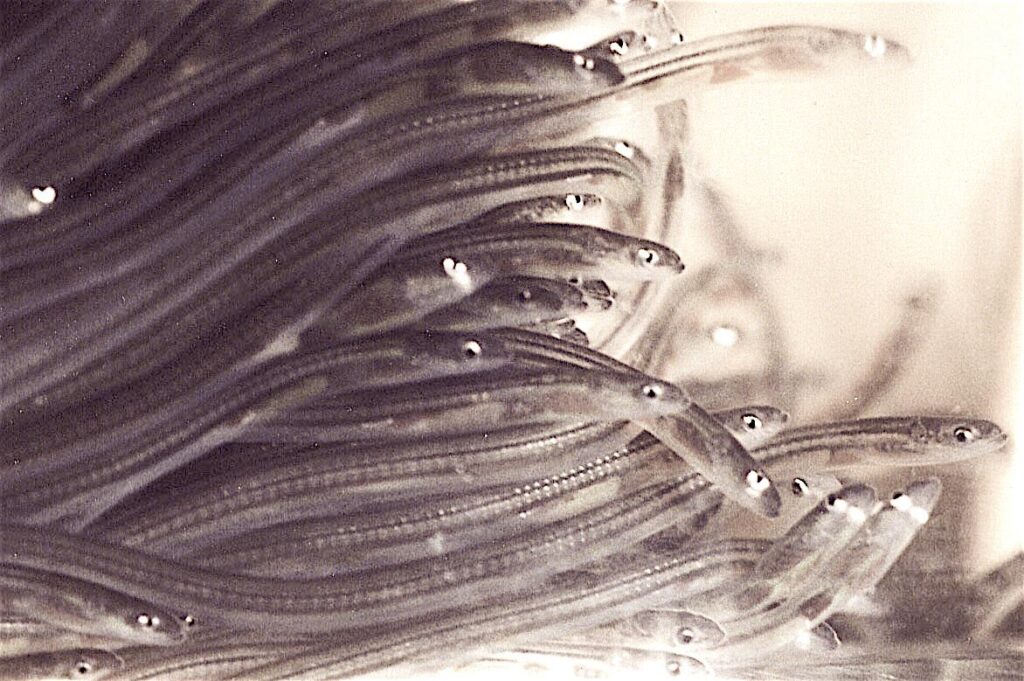
Of the 42 native and 13 introduced freshwater species in the UK fish fauna, 20 have been recorded in New Forest streams and rivers including bullhead and brook lamprey (both protected species listed on Annex II of the Habitats Directive), European eel and brown trout.
The bullhead is a small bottom-living fish found in the upper reaches of lowland rivers. The brook lamprey is a primitive, jawless fish resembling an eel and is the smallest of the lampreys found in the UK. It lives entirely in freshwater.
European eel populations have declined by 95% since 1980, they are a ‘species of principal importance’ under Natural Environment and Rural Communities (NERC) Act and protected by the Eel Regulations 2009.
Brown/sea trout are also species of principal importance under the NERC Act, and protected under the Salmon and Freshwater Fisheries Act 1975.
Fish surveys are carried out by the Environment Agency (EA) and Freshwater Habitats Trust and have been commissioned under the Higher Level Stewardship (HLS) scheme.
EA monitoring is primarily focused on the abundance and spatial distribution of juvenile wild brown trout but also provides information on eels, coarse fish (e.g. roach, chub and pike) and the ‘minor’ fish species (brook lamprey, bullhead, minnow, stone loach and three-spined stickleback).
These reports have been concluding for several years that climate warming and fluctuations in flow regime are having negative impacts on juvenile trout abundance and likely also other life stages of this thermally sensitive fish.
The latest reports provide stark evidence of collapsing populations in both the Lymington and Beaulieu rivers. Research is underway to understand the impacts of wastewater/sewage treatment works that discharge into these rivers and to understand the measures needed to address this and other potential sources of pollution. Restoring habitat complexity can also provide ecological sanctuaries from climate change.
Invertebrates
The New Forest supports an enormous diversity of invertebrate species, estimated at 15,000 species out of a UK total of around 24,000.
Qualifying features of the New Forest Special Area of Conservation (SAC) are the UK’s largest terrestrial beetle the stag beetle and southern damselfly.
The significant population richness is thanks to the amount of semi-natural woodland and heathland habitats here and their structural diversity with extensive areas of transitional edge habitats.
A total of 164 Red Data Book species and more than 400 nationally notable invertebrate species have been recorded within the New Forest SAC. The deadwood invertebrate fauna is regarded as being of international importance and it is likely that in future specialist invertebrate communities of heathland and wetland habitats will prove to be important at a European level. New records continue to be found.
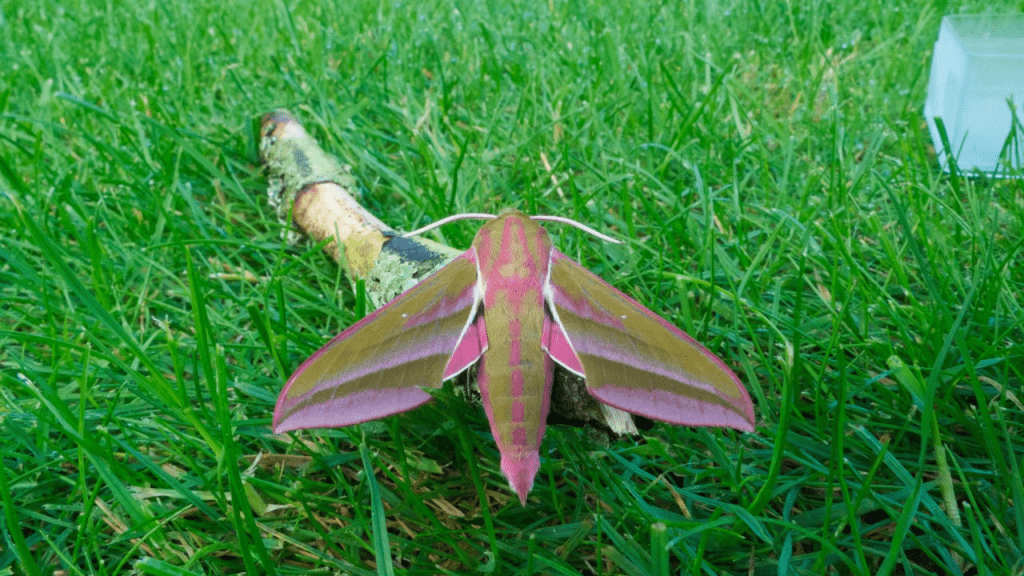
The New Forest and adjacent areas are the richest area of the UK for large moths (500+ species), mainly due to the warmer climate, but also because of the proximity to continental Europe, meaning invertebrates can move into and colonise the National Park with relative ease.
A cohort of mobile southern species, including many formerly rare migrants, have naturally become established in the last two decades as ‘climate colonists’.
These include the Little Arboreal Ladybird that arrived in numbers in summer 2025 as well as numerous moths such as Jersey Tiger, L-Album Wainscot, Tree-lichen Beauty and Dewick’s Plusia – most of these naturally colonising moth species are habitat generalists with widely accessible larval foodplants including herbaceous plants, grasses, and lichens; consequently their spread northwards typically follows the eastern and western fringes of the National Park although this may in part reflect people are recording them.
Other southern moth species are additionally benefitting from an increase in southern tree and plant species, e.g. Blair’s Mocha and Oak Rustic that both have Holm Oak as the preferred larval foodplant.
Some southern invertebrate species that were formerly restricted to the New Forest coast have spread inland in recent years and are now widespread in suitable habitat, including Wasp Spider, Roesel’s Bush-cricket, and Long-winged Conehead (the former predates the latter two). The recent spread of Scarce Chaser dragonfly and Willow Emerald Damselfly across the New Forest may also be linked to warming temperatures.
Many non-native species that previously arrived in southern England with human assistance are benefitting from increased temperatures and are now spreading northwards, particularly in winter, with examples including the Variable Cockroach, Box-tree Moth, False Widow Spider and the Green-fanged Tube Web Spider – all these species are now established in urban and suburban habitats in the New Forest.
Vascular plants
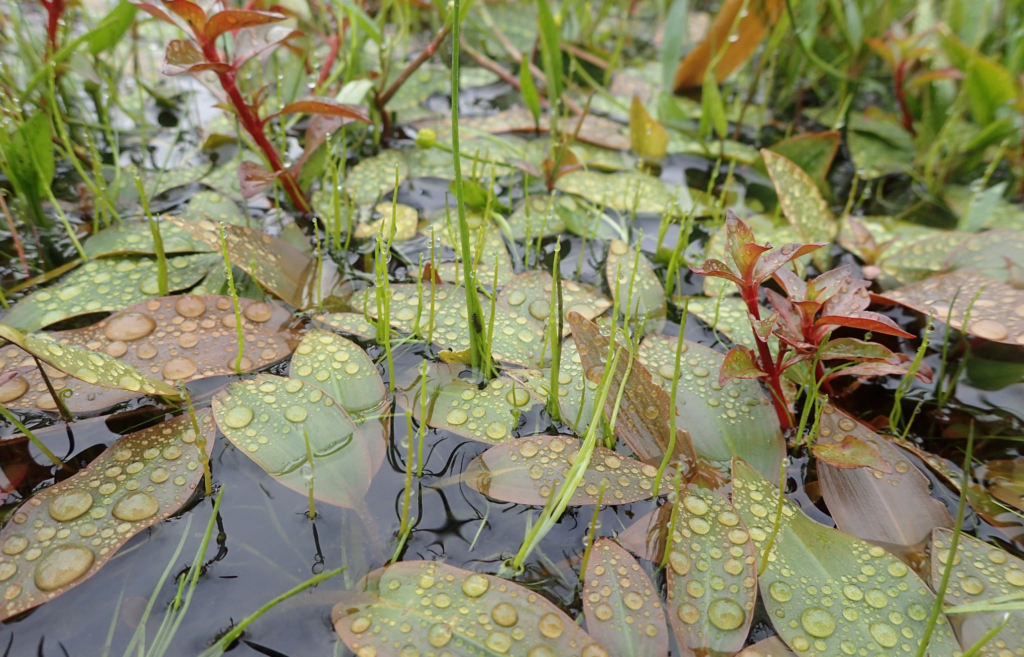
Of the 1,500 native vascular plants recorded in Britain, around 540 have been recorded within the New Forest Crown Lands and commons.
Private lands within the Special Area of Conservation (SAC) are thought to support 10-20 additional species.
Due to the destruction of heathland habitat elsewhere in the UK, most native species of conservation concern found in the New Forest are associated with heathland habitat, however grasslands (particularly parched acid) and woodlands also support nationally scarce species.
Ancient woodland habitats support 78 out of 100 species, listed on the Ancient Woodland Vascular Plant indicator lists for southern England.
The SAC management plan highlights ephemeral ponds as the ‘jewel in the crown’ of New Forest flora, representing the best-preserved heathland ephemeral pond assemblage in Britain and one of international significance.
These habitats, which are highly dependent on grazing to maintain their open nature, harbour the main concentration of Red Data Book list of threatened species, including the vulnerable pennyroyal and small fleabane and two near-threatened species – slender marsh bedstraw and Hampshire purslane.
A discussion with a local plant expert highlighted several examples of vascular plant climate ‘winners’ in the New Forest including:
• Coral necklace is an example of a species that seems to be thriving locally in response to climate change
• Sea storksbill
• Bramble rubus seems to be thriving, which may help support natural regeneration of woodland trees.
This discussion also highlighted possibly secondary impacts via changing recreational use of the New Forest. Jo-jo-weed, an invasive non-native species that is increasing in abundance, notably around rural campsites and car parks. The species is of concern due to its upward pointing spines which pose a risk to the welfare of people, livestock, and wildlife as they are capable of penetrating human footwear and animals’ feet. The distribution of Jo-jo weed provides an example of recreational activities acting as a vector for invasive non-native species.
Lichens
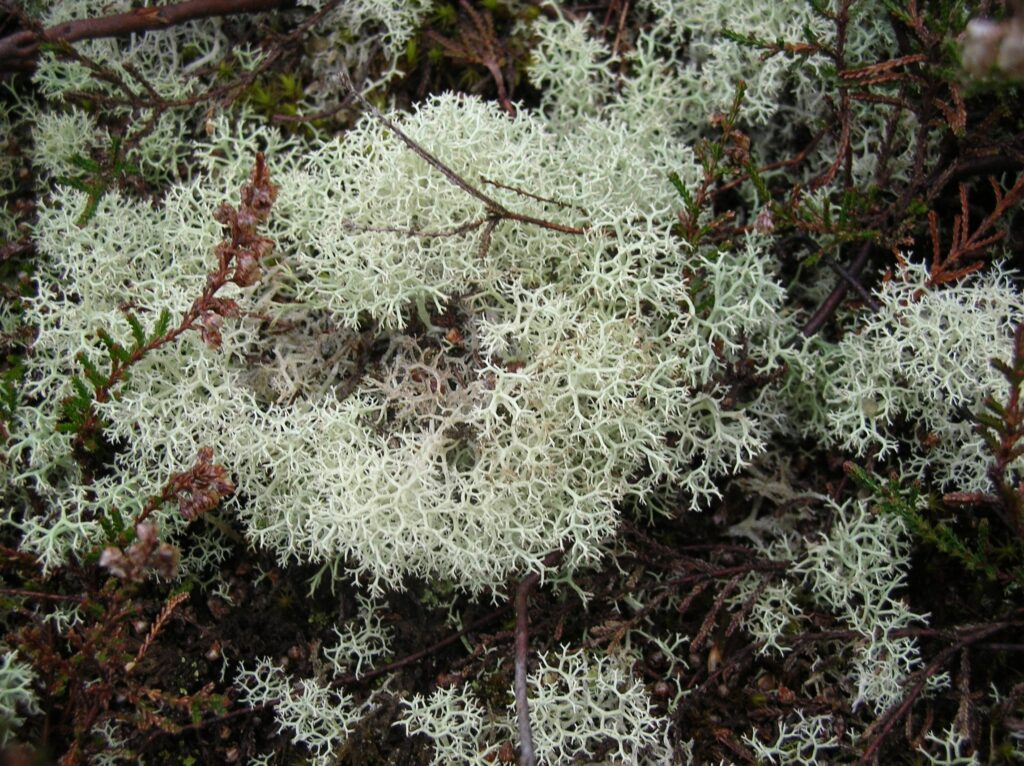
The New Forest pasture woodlands and heathlands are of international importance for their lichen flora.
718 lichen species have been recorded since 1967, representing 30% of the British and Irish flora (around 1,900 species in total).
Of these, 71 species are of conservation concern.
Old-growth pasture woodlands (i.e. stand continuity greater than 200 years) provide the most significant lichen habitat in the New Forest.
Bryophytes
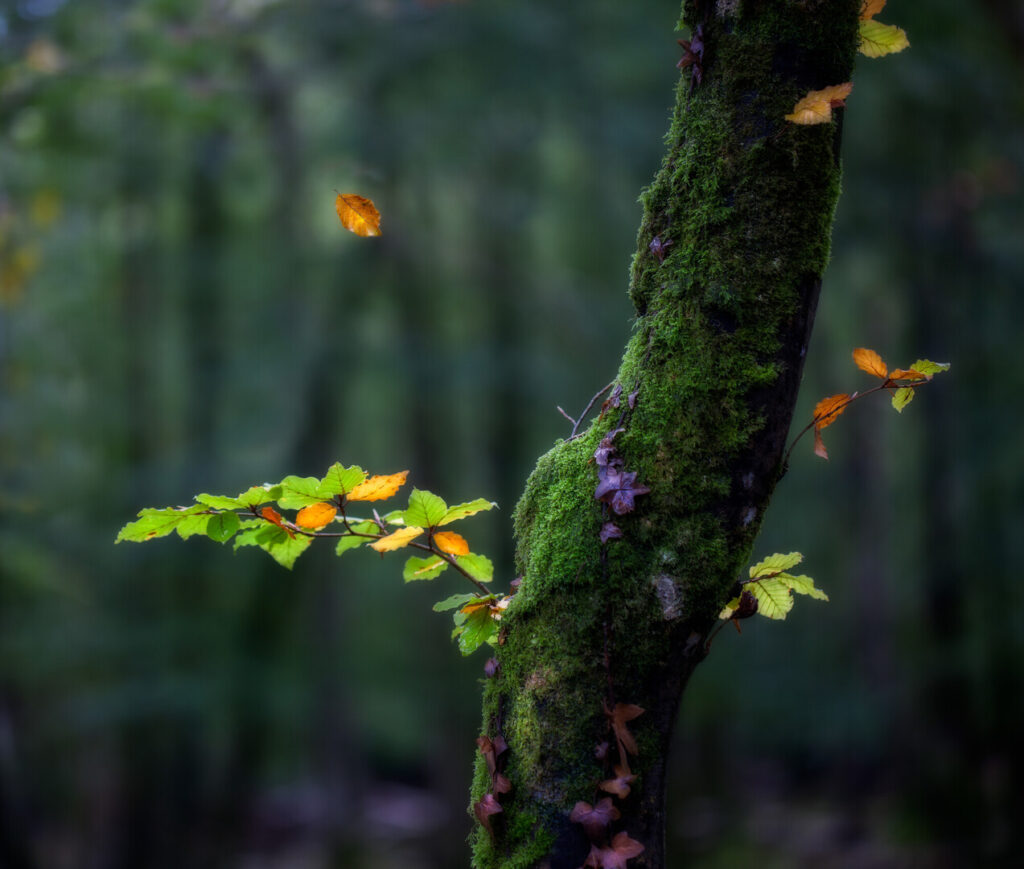
Bryophytes are a group of small, non-vascular plants that include mosses, liverworts, and hornworts.
They are found in almost every terrestrial environment and play important roles in regulating the global carbon cycle and maintaining ecosystem stability.
There are about 1,030 species of bryophytes in Britain, of which at least 326 have been recorded from the New Forest Special Area of Conservation (SAC) – 96 liverworts and 230 mosses, representing about 31% of the British flora. Of these, 33 are of conservation concern.
Four liverworts of conservation concern are known only from 19th century records. Of the recently recorded species, one-third (11) are woodland species and the rest are heathland species.
A major feature of the New Forest is the presence of many species that are otherwise rare or absent in lowland England.
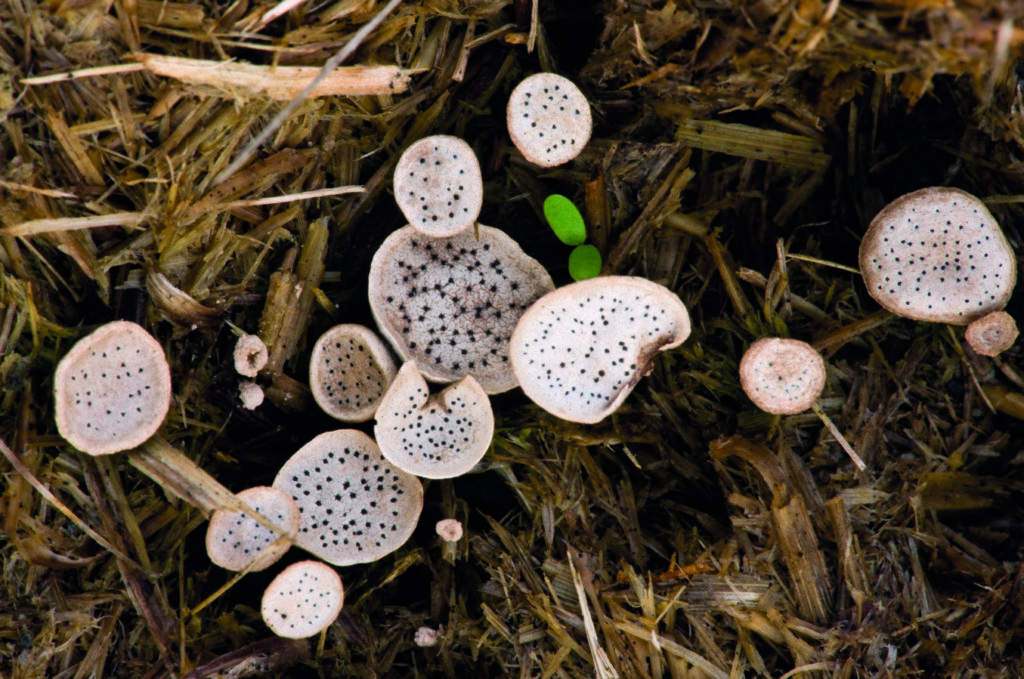
Fungi
The New Forest Special Area of Conservation (SAC) woodlands are of international significance for fungi. At least 89 fungi of conservation concern have been recorded within the SAC.
Of the species of nature conservation concern most are woodland species, with only nine heathland and grassland species recorded. These include species of acid grassland and species that are mycorrhizal on (have a symbiotic association with) creeping willow.
The best-known heathland species is nail fungus, a specialist found on horse dung from grazing acidic rough pastures. The 71 woodland species include a group of 11 species confined to old trees, or fallen large trees, within the pasture woodlands. These include the toothed fungi (Hericium cirrhatus, Hericium coralloides, Hericium erinaceum) and the bracket fungus Phellinus robustus. These are old growth dependent species with very low population densities.
Many epiphytic lichens exhibit a similar restriction to tiny numbers of trees, which suggests that very large areas of pasture woodland are required to support such old growth dependent species.
Saprotrophic fungi (which feed on non-living organic matter) associated with ancient beech woodland are likely to be benefitting in the short term from the abundance of dead and decaying wood, in part linked to the decline of a particular age cohort of beech trees but with a potential contribution of climate change.
However, in the longer term, if projections of climate-linked decline of beech in southern England are correct, then this will also lead to a decline of beech-dependent saprotrophic fungi in the New Forest (unless they are able to switch host trees).
Some fungi species may be able to follow northwards distribution shifts of their host tree and plant species via natural spore dispersal, which will be helped by improved connectivity, e.g. woodland and hedgerow creation.
Interventions including ‘veteranisation’ of trees may increasingly require donor fungi from important reservoir sites such as the New Forest.
Periods of drought in summer and autumn may impact the generation of mycorrhizal fungi fruiting bodies, particularly those associated with heat-stressed trees such as beech, e.g. during the record-breaking hot summer of 2022 there were noticeably fewer mycorrhizal fungi fruiting bodies to be found in their usual locations within their usual timeframe.
In contrast, saprotrophic fungi can secure moisture from their host tree and are able to thermo-regulate; they can therefore develop fruiting bodies even during periods of exceptionally hot and dry weather.
Sooty Bark Disease is thought to be more prevalent following drought years and was found on sycamore trees at two New Forest sites in autumn 2023 following the severe drought of summer 2022.
Recent colonisation and/or rapid spread of fungi species from southern Europe (including the Mediterranean region) may be a result of increased spore dispersal, survival, and recruitment linked to a warming climate. Examples include the now common and widespread Yellowing Curtain Crust which has rapidly spread north through England and is now widespread in the New Forest.
Some southern fungi may also benefit from changing woodland composition in response to climate change, e.g. an increase in tree species prevalent in southern Europe, such as Holm Oak, may support the spread of recent colonists such as Bearded Amanita, which to date has been recorded from the Isle of Wight and Wiltshire and is ectomycorrhizal with Holm Oak.
Read the full report
Climate risks and opportunities report
1 - 3