37%
of the New Forest National Park is at high or very high risk of habitat loss or damage due to climate change
The New Forest National Park is a world capital for wildlife – over half (56%) of it is internationally protected for nature conservation – the highest proportion of any national park in England and Wales.
It’s an ark for nature with many rare habitats and an incredible 20,000 different species – our UK rainforest.
Yet it’s under threat.
37%
of the New Forest National Park is at high or very high risk of habitat loss or damage due to climate change
2.2°C
warmer (average temperature)
3.5 °C
summer maximum temperature increases
29%
less rain in summer (although total annual rainfall will be very similar)
17%
more rain in winter (although total annual rainfall will be very similar)
1.5 feet
sea-level rise
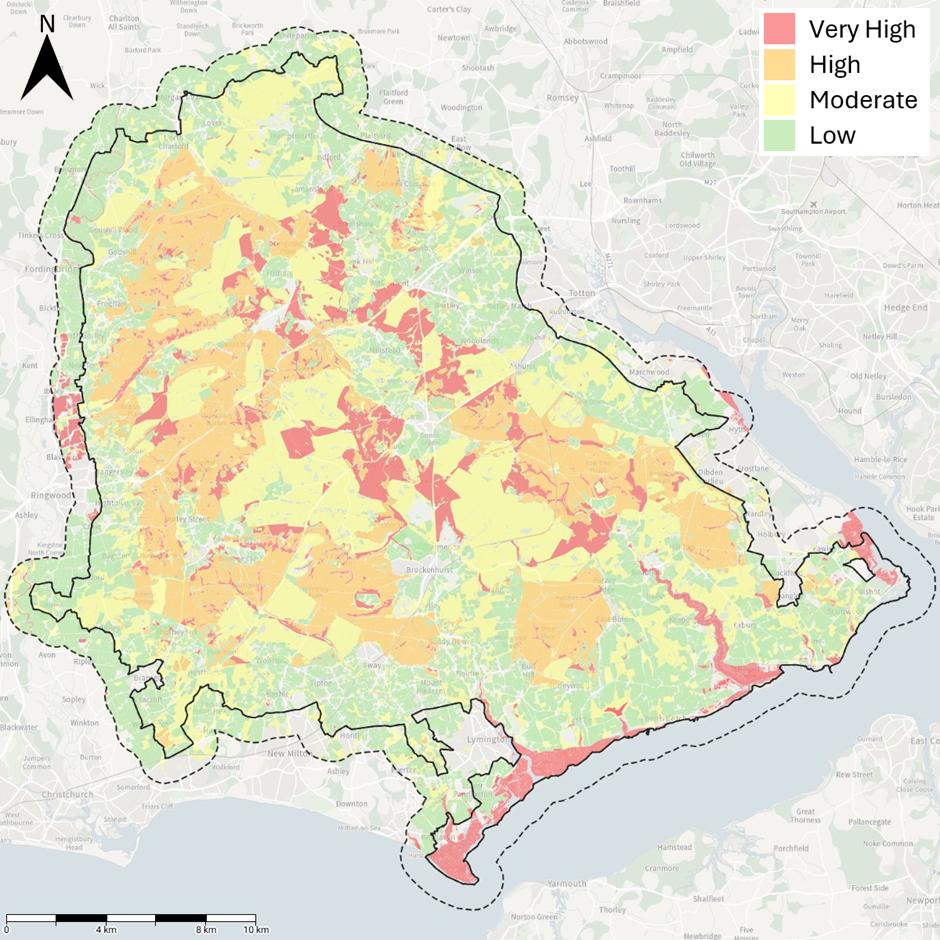
37% of the National Park area is at high or very high risk of habitat loss or damage due to climate change. The results are based on how sensitive a habitat is to climate change and how it might be able to adapt, with our help.
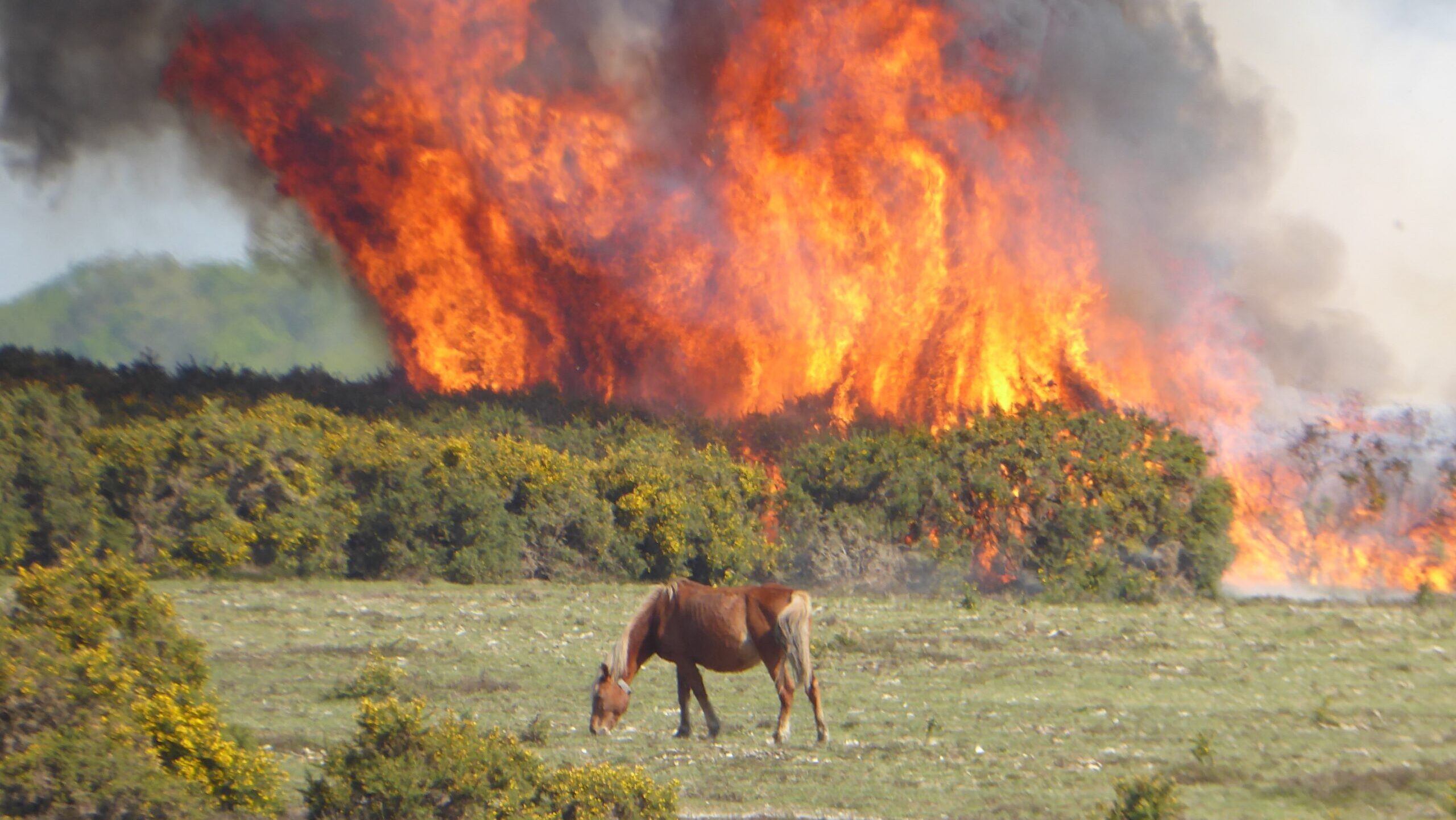
The highest risk habitats include freshwater and wetlands that are highly sensitive to changes in precipitation and temperature, coastal habitats that can’t naturally migrate in response to sea-level rise, unique ancient pasture woodlands featuring a high proportion of beech trees which are sensitive to drought, and heathland habitats that are vulnerable to wildfire. See the table below and read more.
| Risk rating | Percentage of the National Park | Hectares | Types of habitat |
|---|---|---|---|
Very high |
13% |
6,286 (approx one sixth of the size of the Isle of Wight) |
freshwater, coast and estuary habitats, old pasture woodland |
High |
24% |
12,055 (approx one third of the size of the Isle of Wight) |
Peat bogs, valley mires and heathland |
Moderate |
34% |
17,054 (just under half the size of the Isle of Wight) |
River and bog woodland, other woodland, soils |
Low |
29% |
14,135 (just over one third of the size of the Isle of Wight) |
acid grasslands and agriculture, horticulture, modified grassland |
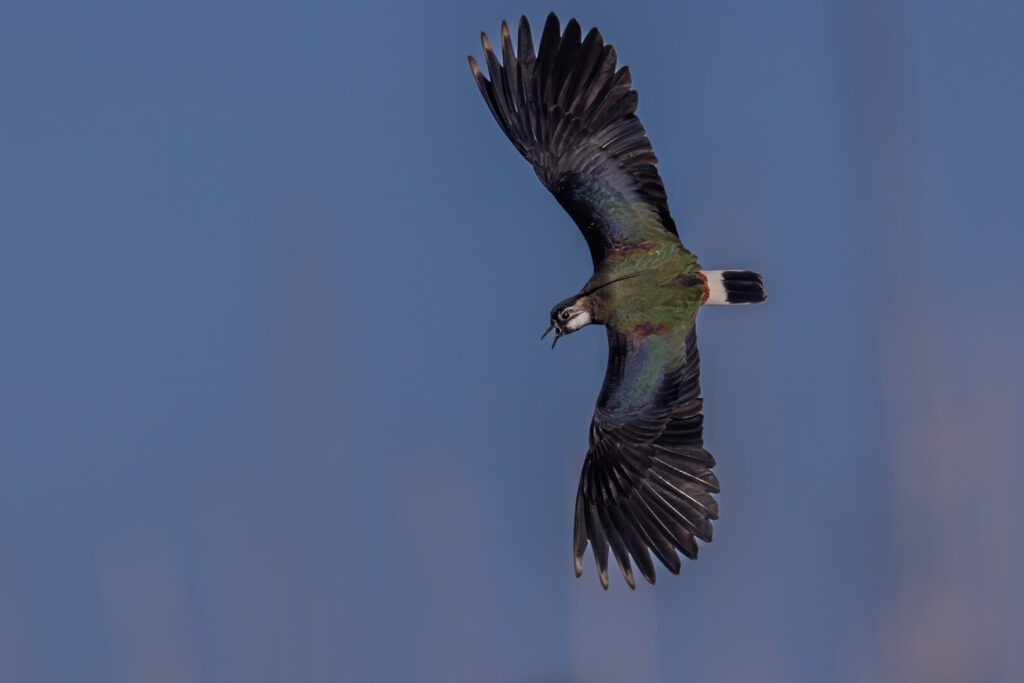
Climate change is currently the second most important driver of change in terrestrial and freshwater species abundance and distribution (after changes in land use). Source: Intergovernmental Science-Policy Platform on Biodiversity and Ecosystem Services
Species responses to climate change include changes in:
• distribution (i.e. where they are found)
• phenology and behaviour (the timing at which species emerge, nest, or reproduce)
• physiological and/or genetic evolution
• interactions that occur between species, such as predator-prey (food web) or other relationships.
New species are already arriving naturally in the UK in response to the changes in climate that are now occurring.
By ensuring we support the New Forest’s unique and special habitats to thrive and be resilient to climate change, we give wildlife the best chance over the coming decades.
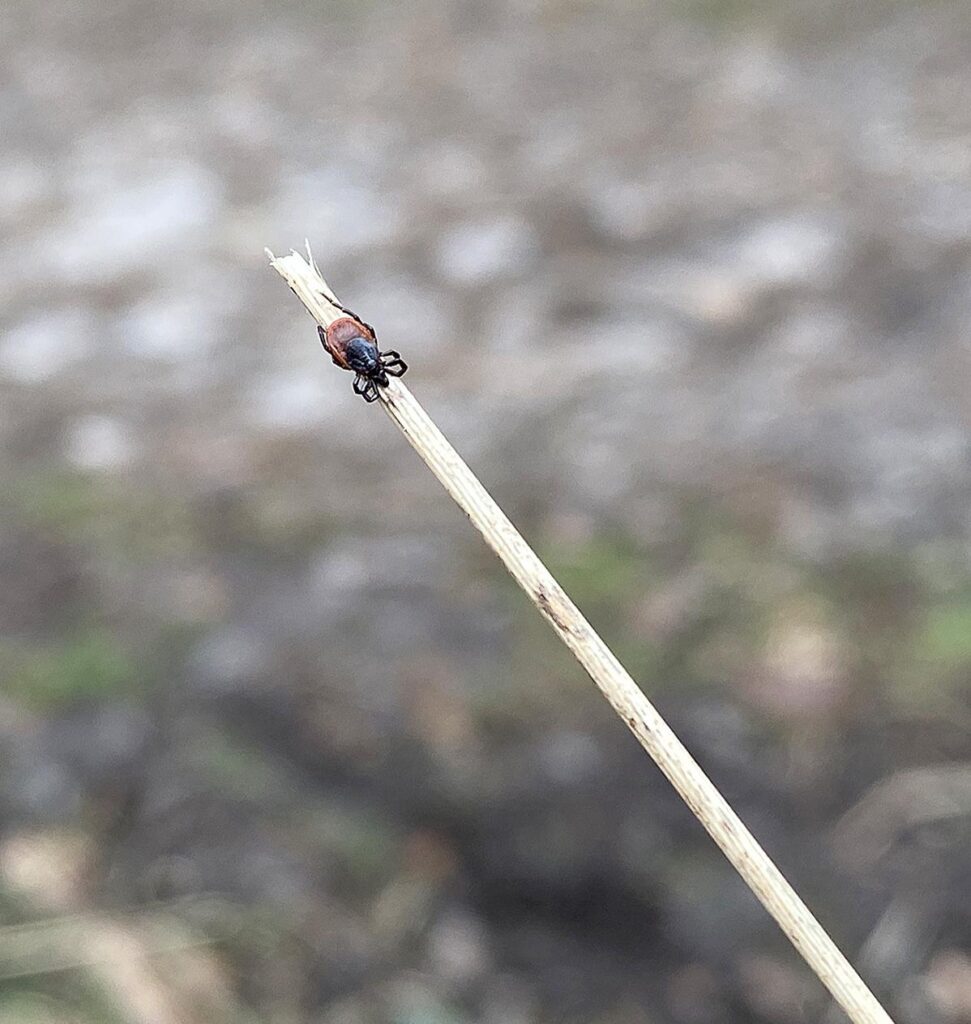
Climate change increases uncertainty in the risks associated with pests, diseases and pathogens. Higher temperatures and modified conditions enabling new species to become established and potentially changing the impact of existing species due to altered relationships, abundance, and susceptibility.
Many infectious diseases are highly climate sensitive, and with warmer temperatures risks of new and emerging infectious diseases increase, including those transmitted through mosquito and tick bites. Southern England is particularly at risk in the UK due to higher relative temperatures and proximity to mainland Europe.
For people, Lyme disease and tick-borne encephalitis are of increasing concern, alongside mosquito driven dengue, chikungunya, and West Nile virus.
Livestock face increased risks from parasites such as liver fluke, and viral diseases such as bluetongue, which is an example of a disease that is believed to have emerged in response to climate change.
Risks to plants are a significant and increasing concern for the New Forest due to the primary importance of the living natural environment, and potential for pest or disease outbreaks to drive wider biodiversity loss.
Increased monitoring and awareness are vital to inform early intervention.
Read more about climate change impacts on human health.
Forest Research provides tools and resources on tree pests and diseases.
Initiatives such as Garden Wildlife Health aim to monitor trends and emerging threats.
The Animal and Plant Health Agency provides information and advice on livestock and plant risks.

Climate change increases the risk of damage and destruction of heritage assets through mechanisms such as coastal erosion, water damage, subsidence, vegetation growth, fungal decay, and extreme event impacts.
These will increasingly force a reconsideration of how some heritage assets are managed and maintained; in some situations, full or partial loss or extensive adaptation will be necessary. This may increase the potential for conflict within the planning system as sympathetic adaptation may not always be viable.
Beyond risks to physical heritage assets, climate change has potential positive and negative impacts on cultural heritage including the local commoning community. Although climate change will likely increase costs of livestock management, the landscape-scale conservation grazing provided by commoner’s livestock will be increasingly important for climate resilience due to the role these practices play in maintaining habitats that deliver valuable ecosystem services.
Historic England produces research and guidance on climate change.
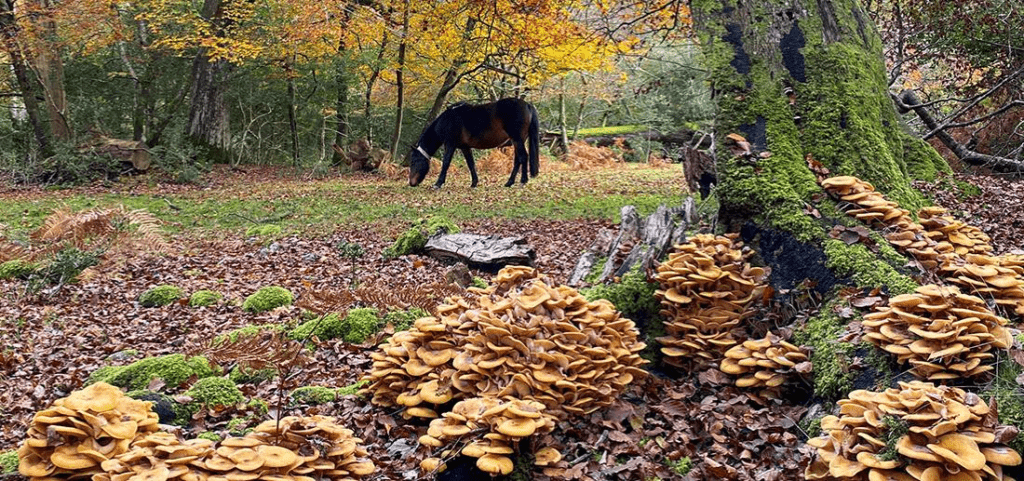
International and national data was used to determine the potential climatic changes under three greenhouse gas emissions scenarios. Academic literature and local scientific experts’ knowledge was then used to assess how the most likely scenario is likely to affect the special qualities, habitats and species of the New Forest. A wide range of organisations and individuals inputted into the report which pulls together all the information.
The report was commissioned by the New Forest National Park Authority through the Youth for Climate and Nature (YouCAN) scheme and contracted to Wild New Forest and Maploom.
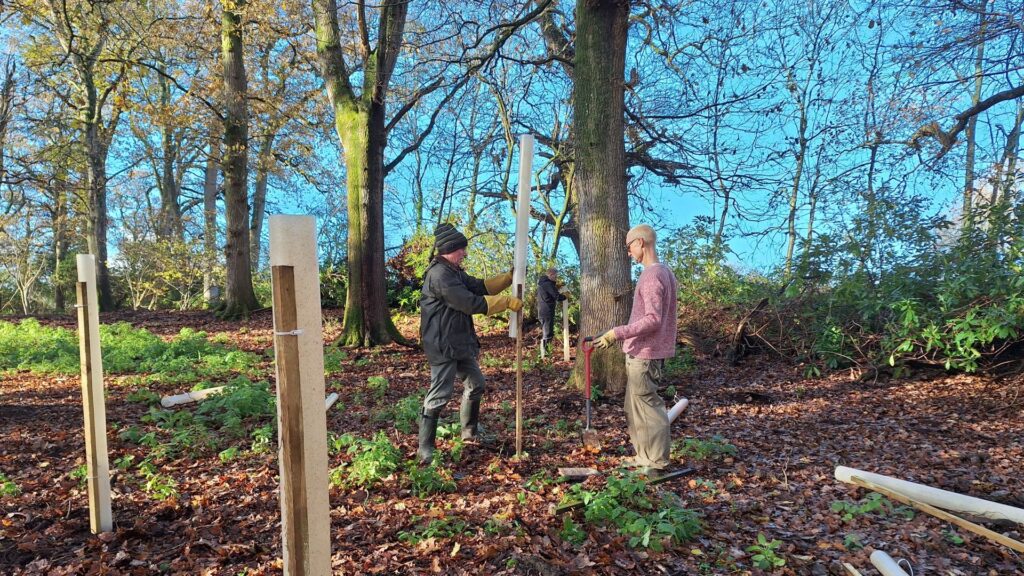
The information will help to empower landowners, land managers, residents, and visitors to make choices and take action to support the resilience of the New Forest and reduce the impacts of climate change.
The report shows that much can be done, at all scales, to increase the resilience of this unique landscape, its exceptional biodiversity, and cultural heritage for the long term. See the summary report and full report below.
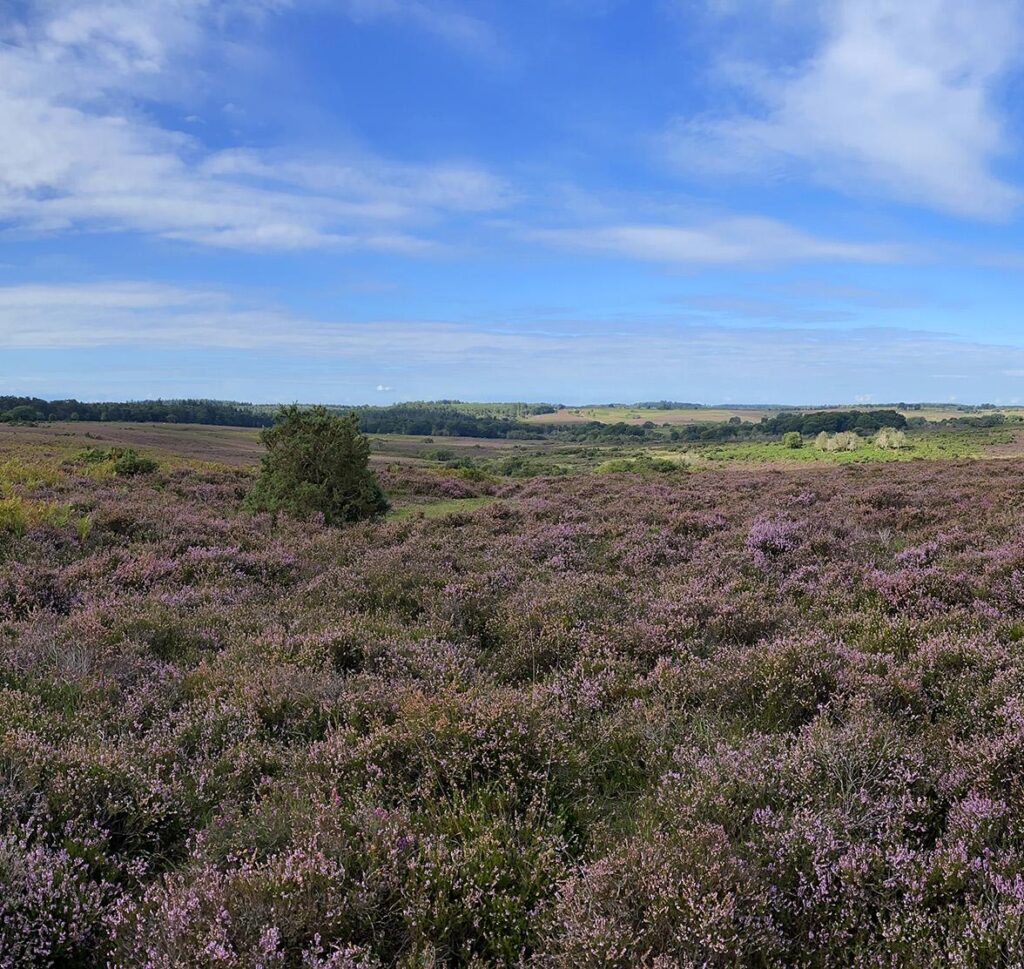
Climate change provides a shared challenge and opportunity to leverage the strengths of the New Forest to rebuild human connection with the natural environment and to understand and learn from change.
The 2025 report was part of the YouCAN Youth for Climate and Nature scheme funded by the National Lottery Community Fund.
Keep your distance from the animals and don't feed or pet them - you may be fined.
Keep your distance from the animals and don't feed or pet them - you may be fined.
Keep your distance from the animals and don't feed or pet them - you may be fined.
Keep your distance from the animals and don't feed or pet them - you may be fined.