Commoning
Commoning: an ancient tradition
The New Forest has a proud history of commoning, where Commoners release animals onto the Open Forest.
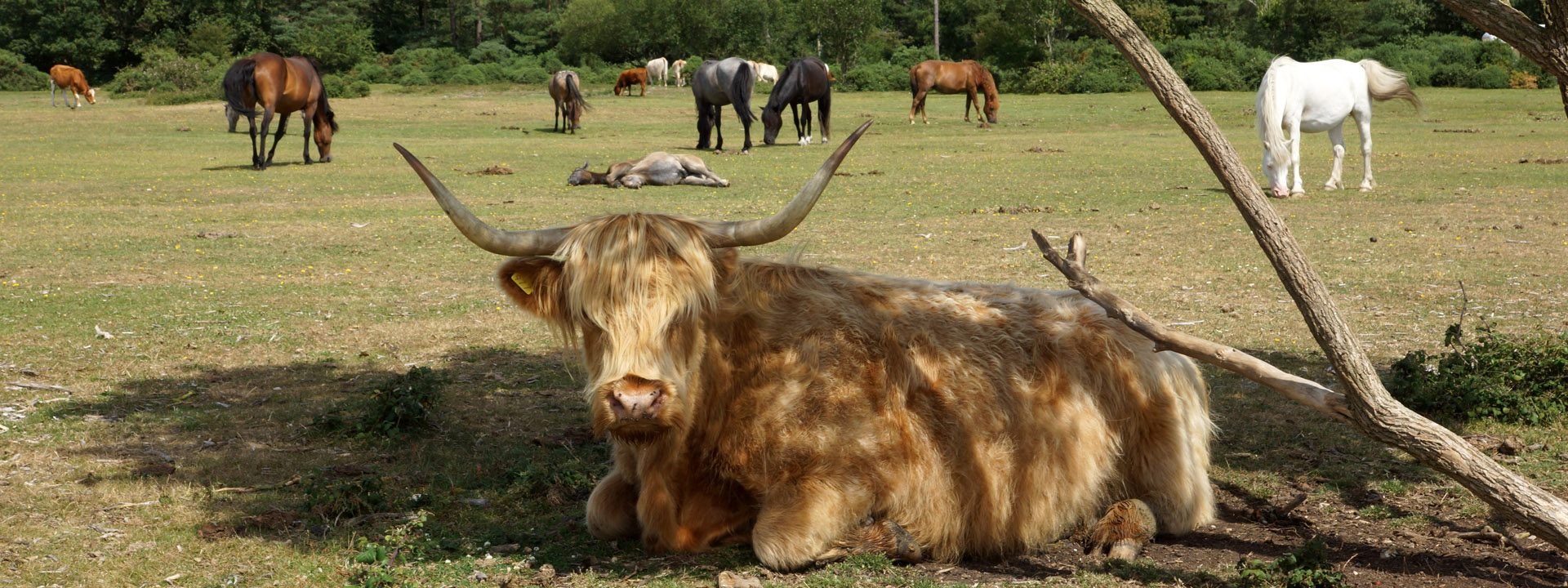
Grazing by Commoners’ animals still shapes and maintains the New Forest we all know and enjoy, making it accessible and very special. Although common rights were once widespread in Britain and Europe, they have been lost in many areas due to the enclosure of common land and the demise of former royal forests. The New Forest remains one of the few extensive lowland commons where rights are still widely practised and a strong commoning culture continues. This section tells the story of commoning, from the animals and rights to the Commoners themselves and their close-knit community.
Commoning and the Forest
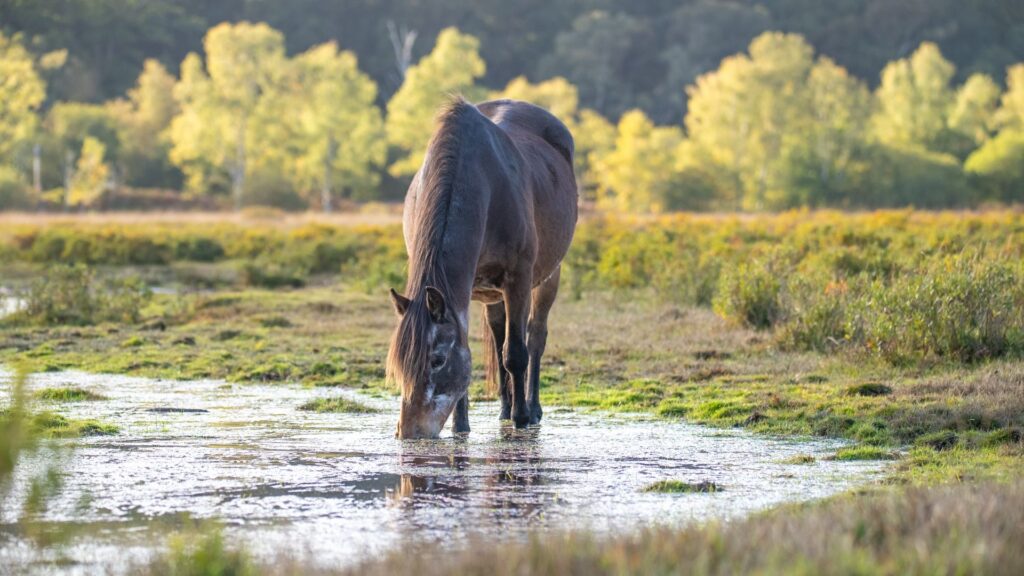
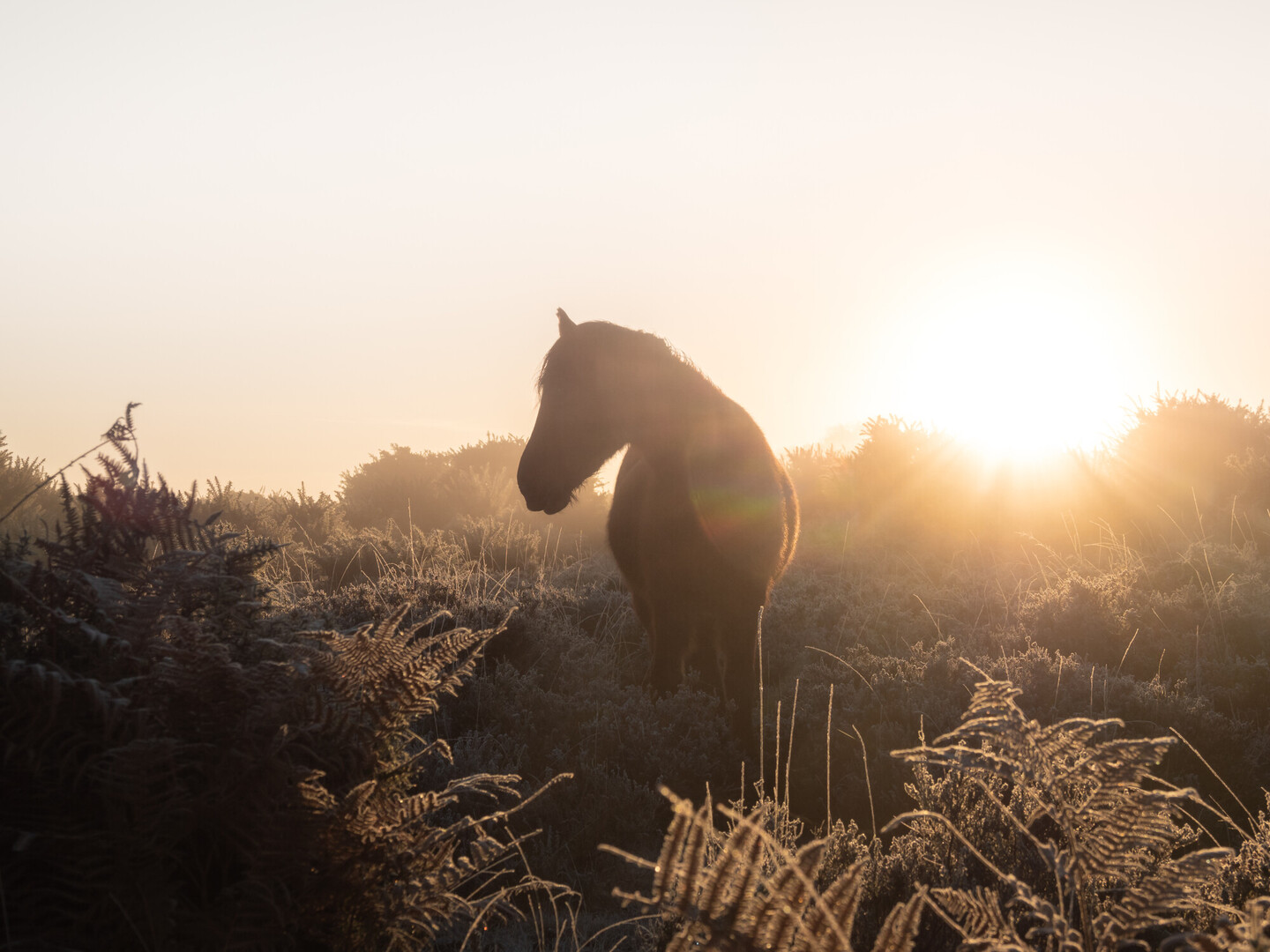
Commoning makes a positive contribution to the remarkable biodiversity of the New Forest. The free-roaming animals have an ever-changing pattern of grazing which could not be replicated by a single herd.
Commoning and you
The New Forest National Park is undeniably a beautiful place and is enjoyed by millions of people each year.
But what many people may not know is that the closely-cropped lawns, expansive heathland and rare wildlife and plant life are shaped by Commoners’ animals. Without free-roaming animals, the Forest would cease to be the unique place that is so special to many people. Commoners turn out animals onto the Open Forest to follow in their ancestors’ footsteps and to benefit the New Forest, so when you visit please do your bit to help them by:
- Driving carefully and looking out for animals on the road
- Not feeding or petting animals
- Taking your litter home with you
- Steering clear of drifts and other ‘working Forest’ activities.
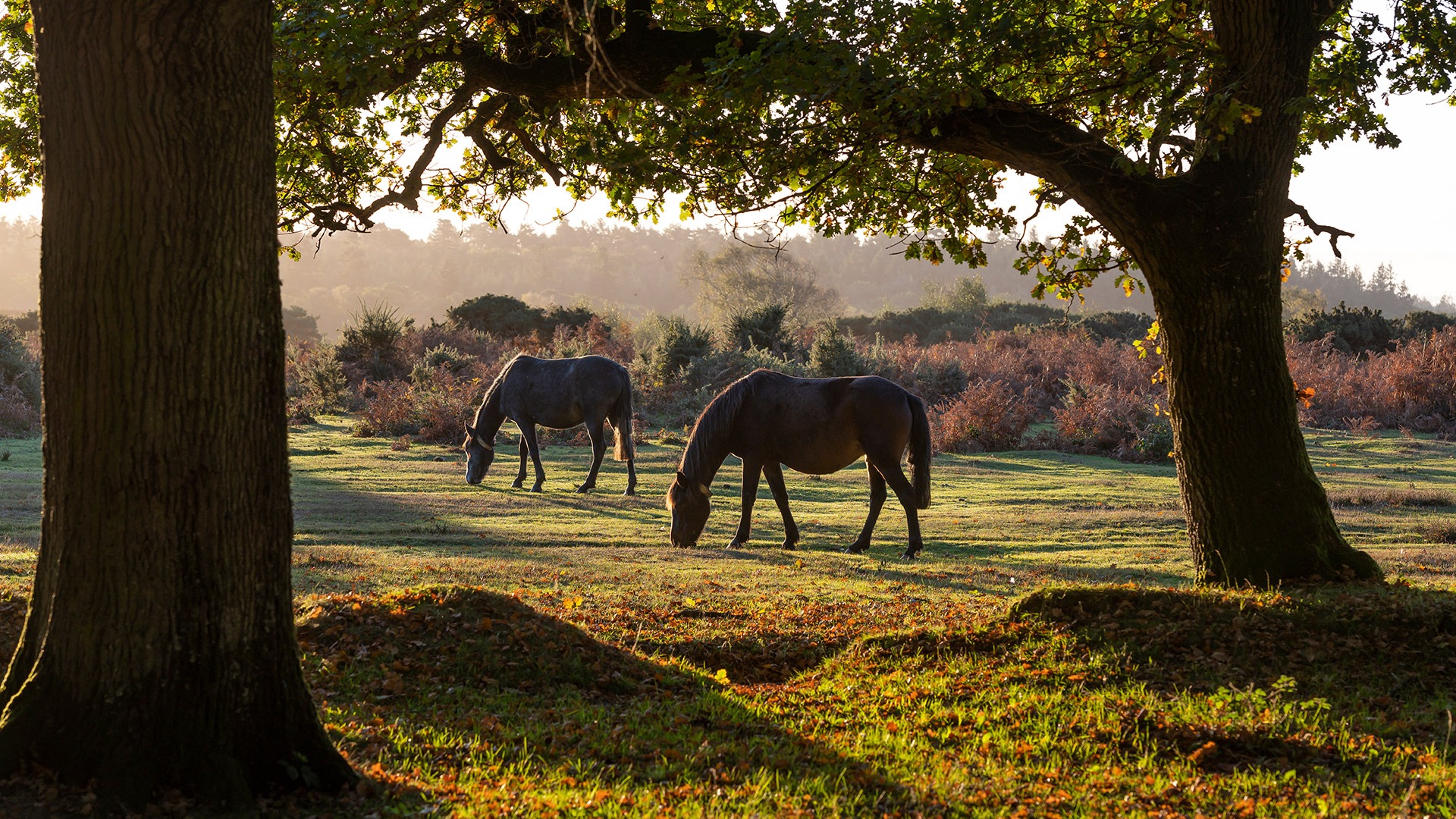
The ancient tradition of commoning is at the heart of the working Forest’s close-knit communities. If you live, work or visit the New Forest you can show you care about commoning by:
- Please don’t feed or pet the animals; there is plenty of natural food and it’s best that they don’t come to rely on people’s attention. They may look friendly but they can bite and kick, especially mares with foals. You can also be fined or taken to court for feeding and touching the ponies and donkeys.
- The ponies and other animals have no road sense and frequently stand or walk on the unfenced roads, so give them a wide berth and be especially careful when driving at night.
- Your food and litter could harm the ponies and donkeys. Please take your litter home if bins are full.
- Steering clear of drifts, where animals are rounded up for checks.
- Keep dogs under control and do not let them agitate commoners’ animals
- Display an ‘I go slow for ponies’ sticker in your vehicle, available from our offices at Lymington Town Hall.
- Sign up to the New Forest Drive Safe scheme for businesses who want their staff to be more aware of the animals when driving.
Community and heritage
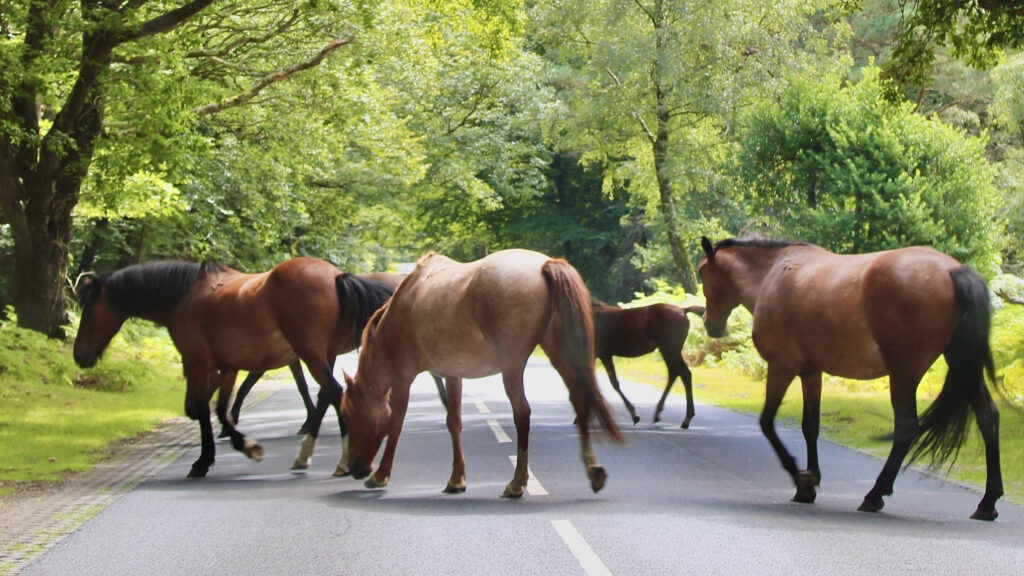
The New Forest commoning community is a diverse and broad community of people who come from all walks of life. At its heart are a number of large families which have been commoning in the New Forest for generations.
Commoning is communal and Commoners often work together. Haymaking often calls for the troops to be gathered and the annual pony drifts simply wouldn’t work if Commoners didn’t work together. Whilst out checking their own animals Commoners will always cast an eye over every animal they pass, ensuring each is fit and well.
Beaulieu Road Sales Yard
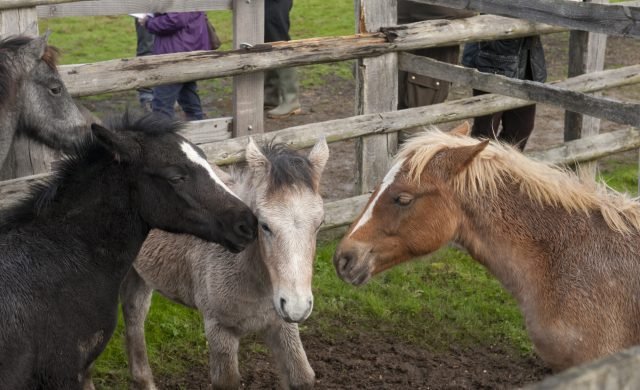
Beaulieu Road Sales Yard is the main outlet for Commoners to sell their New Forest ponies and the sales are major events in the commoning year.
Auctions are held up to six times per year and are significant events within the New Forest. Sales days have been based at Beaulieu Road for the past 60 years and since 2002, have been organised and administered by the New Forest Livestock Society.
The sales have a vital role to play in sustaining the commoning tradition and provide an ideal opportunity for Commoners, associated traders and Forest organisations to meet up, as well as for the wider public to experience first-hand the working culture of the commoning community.
The commoning year
The commoning year is unique to each family and every Commoner operates in a slightly different way.
This is what creates the mosaic of grazing patterns which contributes to the unique biodiversity of the New Forest. This calendar gives you an overview of the year in the commoning community.
- Marking fees due for each animal a commoner turns out onto the Forest
- Cattle tagged and tails cut by Agister
- TB testing of cattle
- Many cattle herds come in to the smallholding daily for supplementary feed.
- Controlled burning of heathland resumes dependent on weather
- Heather baling
- Judging of Forest Fed competition
- Burning finishes at the end of this month
- Stallions are inspected
- Foals born
- Commoners begin making silage on their back up grazing land
- Annual tour to assess welfare of livestock
- Beaulieu Road pony sale
- Foals born
- Ponies begin to go to shade for hot part of the day to avoid flies
- Ponies and cattle grazing the lawns and wet areas
- Hay making continues
- Ragwort is pulled to prevent ponies eating it
- New Forest Show
- Drifts begin to round up ponies
- Beaulieu Road pony sale
- Branding of foals to remain on the Forest
- Tail marking all ponies caught on the drift and recorded in the Agister’s diary
- New Forest Pony Breeding and Cattle Society Annual Breed Show
- Straw cart begins
- Beaulieu Road pony sale
- Fern cutting and baling
- Wood cart begins for winter store
- Pannage season begins – pigs marked, rung, turned out and paid for
- Some cattle brought in to back up grazing to avoid acorns
- Hedge cutting on back up grazing land
- Drifts continue
- Checking stock
- Ponies eating ash leaves in the woodlands
- Stallions to winter grazing on Forest estates
- Repair of fencing in preparation for winter
- Beaulieu Road pony sale
- Fern cutting and baling
- Many Commoners get cattle in because of the risk of acorn poisoning
- Checking stock
- Winter welfare tour
- Drifts continue
- Fitness training for the Point to Point race
- Beaulieu Road pony sale
- Beaulieu Road pony sale
- Holly cutting
- Boxing Day Point-to-Point
- Ponies browsing holly and gorse (fuzzing)
- Commoners supplementing the feed of stock where necessary on back up land with hay and silage made in the summer
- Some cattle in daily for supplementary feed
- Pannage season usually ends this month.
The animals
Supporting commoning
From housing to funding and grazing land, commoning is under threat. Find out what we and our partners are doing to support commoning.
Supporting commoning