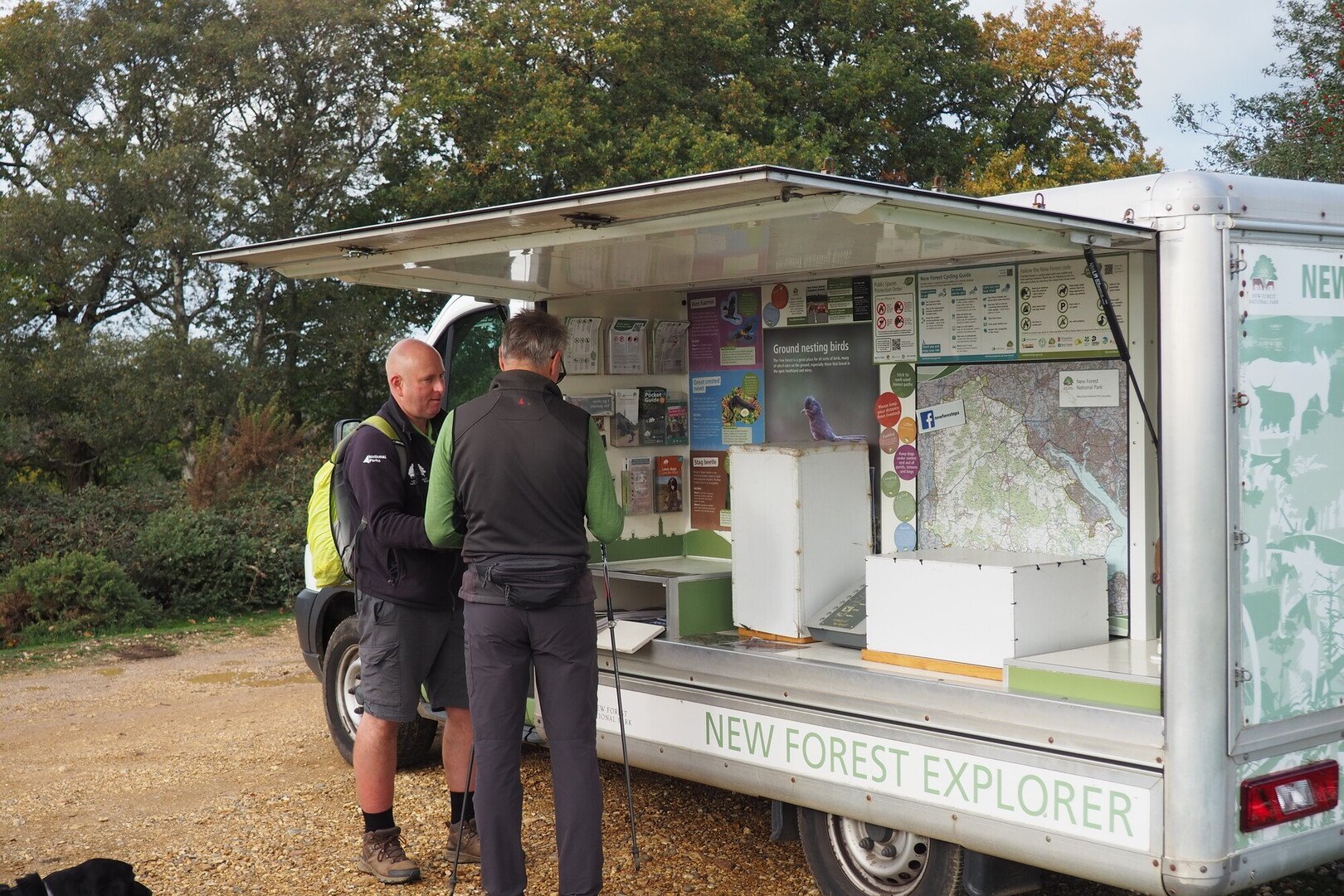
Team New Forest plays an important role looking after the National Park, and rangers are a crucial part of this: engaging with residents, visitors, and businesses on a daily basis sharing knowledge so everybody can enjoy the Forest responsibly.
Rangers from the New Forest National Park Authority (NPA) spent more than 2,000 hours regularly visiting 230 locations in and around the Forest in 2025 having interesting conversations with nearly 18,500 people – each one of them increasing people’s awareness, appreciation and enjoyment of the National Park to help protect it as a special place for nature.
From Abbotts Well and Anderwood to Wootton Bridge and Yew Tree Heath, rangers visited locations including Bolton’s Bench, the Breamore Railway Line, Godshill, King’s Hat, Rockford Common, and Wilverley.
The NPA team works closely with partners including Forestry England, the Police, Freshwater Habitats Trust, New Forest Dog Owners Group, Commoners, the New Forest Marque, local councils, schools, scout groups, members of the public, and many more.
Community support is key, with everyone having an important role in helping look after the New Forest’s rare and sensitive wildlife, habitats, and landscapes.
In 2025, NPA rangers supported conservation volunteers, Junior Rangers, and the New Forest Youth Board, as well as joining partners on initiatives including #OpMountie to help make the Forest’s roads safer.
They attended events like New Forest Thrive and the New Forest Volunteer Fair, made media appearances, conducted ground nesting bird patrols, undertook PSPO (Public Space Protection Order) monitoring, ran litter picks, and led various talks and workshops.
New Forest NPA rangers share their reflections on the year and the importance of always following the New Forest and Dog Walking Codes below:
Naomi:
‘The New Forest is a stronghold for many nationally rare and scarce species from lichens, plants, and fungi to bats, birds, and reptiles. New discoveries are being made all the time, too, such as rare ladybirds and the candelabra coral fungus just last year.
‘Some of these species might appear common to people who live in or visit the Forest frequently but they can be hard to find outside of it. There’s always something new to learn or share and so much can be found along tracks or beside car parks.
‘Many of our species depend on habitats having exactly what they need – there are fungi that can only survive if there’s enough deadwood, ground nesting birds that can only hide their chicks if they aren’t disturbed by people or dogs, and dragonflies that can only survive in streams not polluted by insecticides.
‘The most common sightings can bring the most joy and some of my favourites include seeing green tiger beetles on sandy heaths, watching bag worms haul lichen home across a picnic bench, and listening to the drum of a woodpecker.
‘The habitats and wildlife of the Forest are important to me, but the people I meet on patrol might enjoy it for the scenery and tranquility or as somewhere to exercise, walk their dog, or camp with their family. Whatever the reason, we can all help look after it by following the New Forest code.’

Gillie:
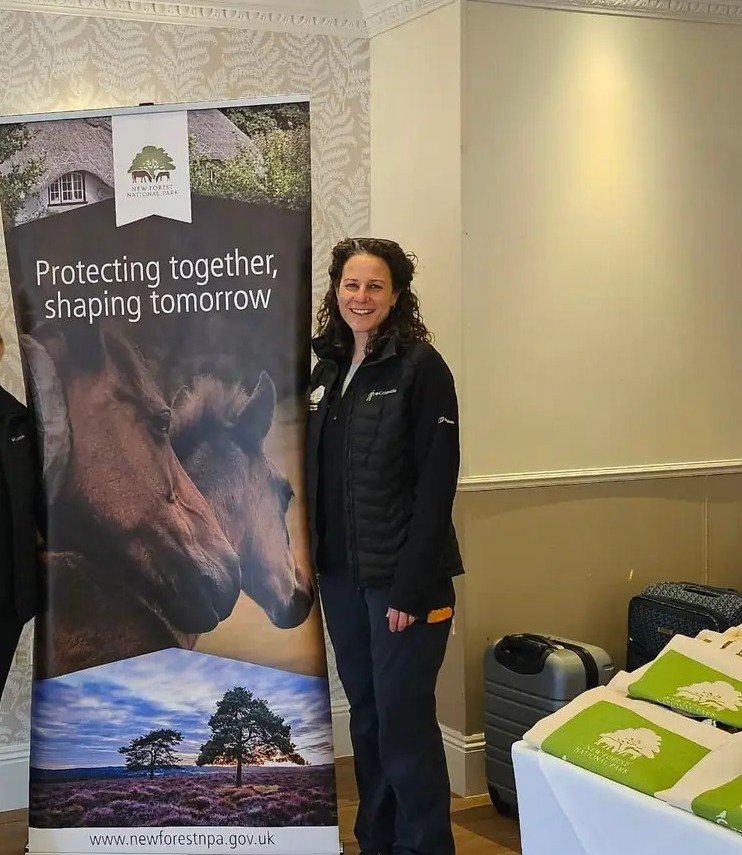
‘With such a wide range of habitats, landowners and interest groups involved in caring for and safeguarding the New Forest National Park, collaborative working is absolutely essential. As a ranger team, we take pride in embodying the spirit of Team New Forest every day.
‘We value engaging with the public while out on patrol, attending parish council meetings, supporting community events and fairs, and working closely with the many organisations and land managers across the Forest.
‘We are united by a shared commitment to protecting this landscape and its cultural heritage for future generations.’
Jim:
‘Walking in the New Forest with your four-legged friend is hugely popular and great for your health and wellbeing, as well as being a fantastic way to connect with nature.
‘The National Park is an important home for rare and sensitive wildlife like migrating and ground nesting birds, invertebrates in freshwaters, and Commoner’s livestock, so the importance of always picking up after dogs and keeping to the tracks to minimise impacts can’t be overstated.
‘We’re lucky in the Forest to have nearly 100 dog walkers signed up to our Professional Dog Walker’s Charter, which means people set good examples and follow the New Forest’s Dog Walking Code to help protect the National Park’s wildlife and habitats from damage and disturbance.
‘If you employ a commercial dog walker to exercise your dog, check they are signed up to the Charter and encourage them to do so if they’re not.’

Hayden:
‘The New Forest is an inclusive and special landscape for everybody to enjoy, and thriving communities play a crucial role in this as part of Team New Forest.
‘From helping protect iconic New Forest ponies to important rare ground nesting birds and nationally scarce fungi, everyone does their bit looking after and respecting the National Park, whether they live here or are visiting.
‘That’s something we saw through countless interactions in 2025 with the public and while joining and leading conversations with other protected landscapes, rangers, partners, and at numerous events.’
