Partnership Plan
Our collective plan to manage the National Park.
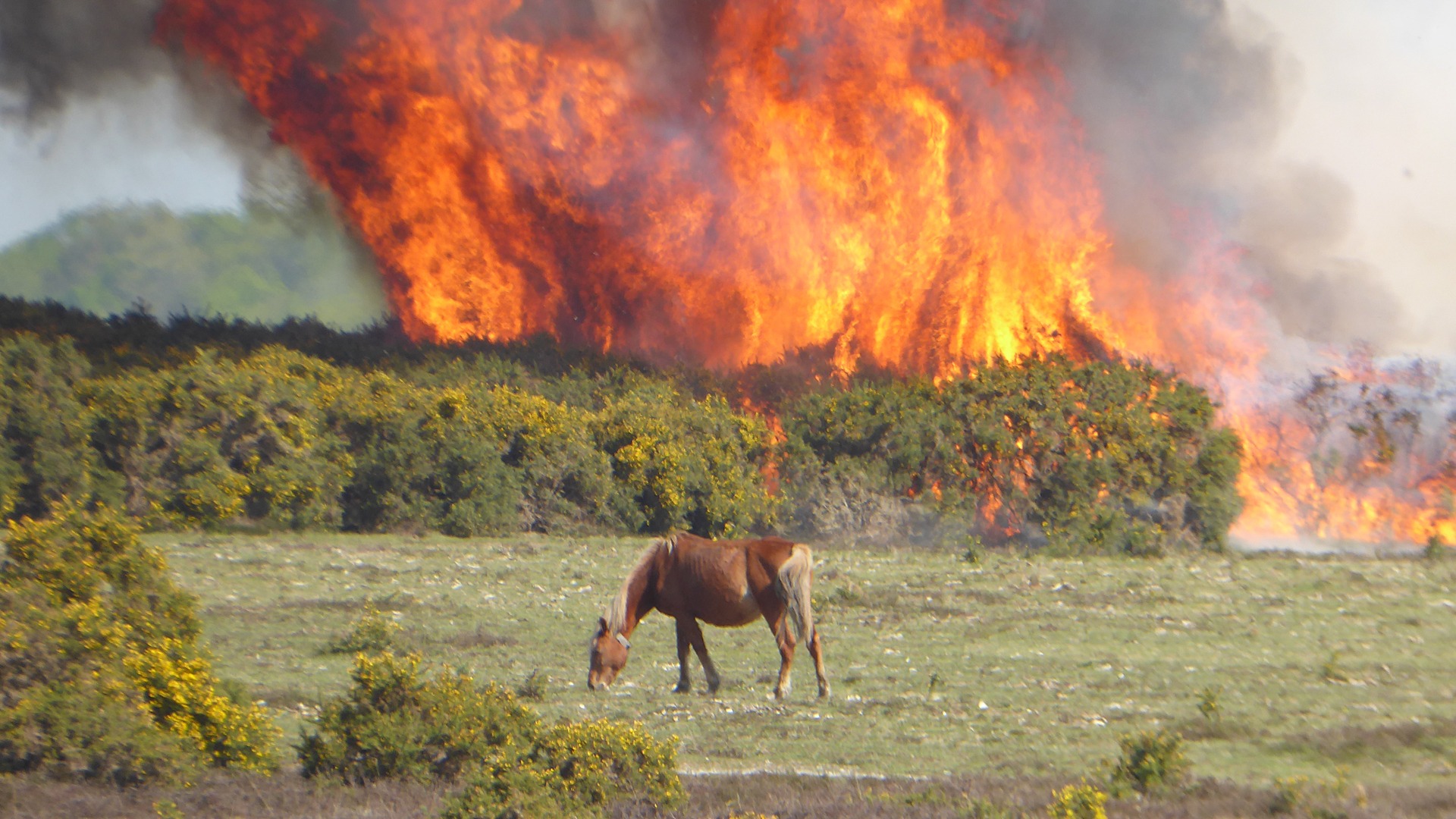
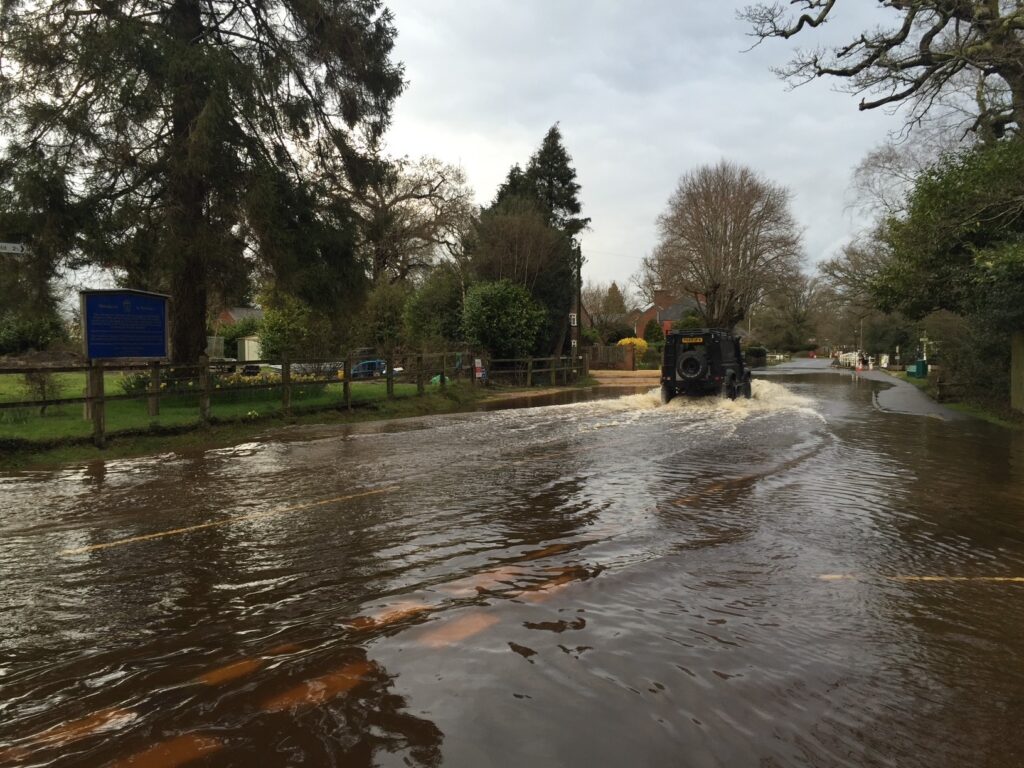
Combined, these factors have far reaching implications for our biodiversity, our communities, land managers and local businesses.

More intensive agriculture is still driving declines in farmland nature, while climate change is also having an increasing effect, with average UK temperatures rising by 1C since the 1980s. The state of wildlife in the New Forest remains a major concern, with just over 50% of our Sites of Special Scientific Interest (SSSIs) judged to be in ‘favourable condition’.
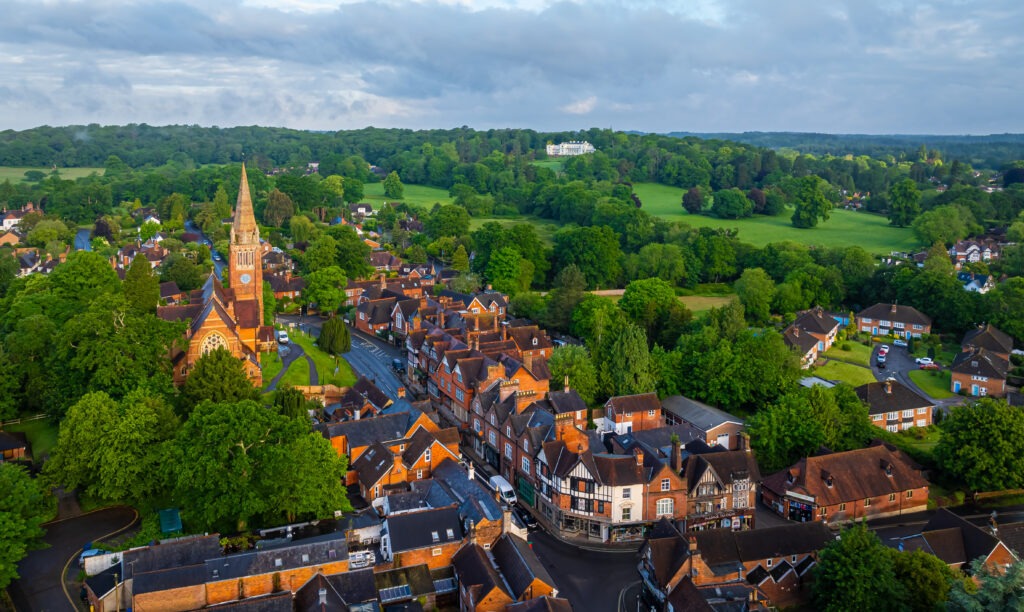
The National Park is seeing thousands of homes being built around its boundaries. A ‘Solent Gateway 2’ automotive terminal, nature reserve and access road at Dibden Bay on the Waterside are being proposed.
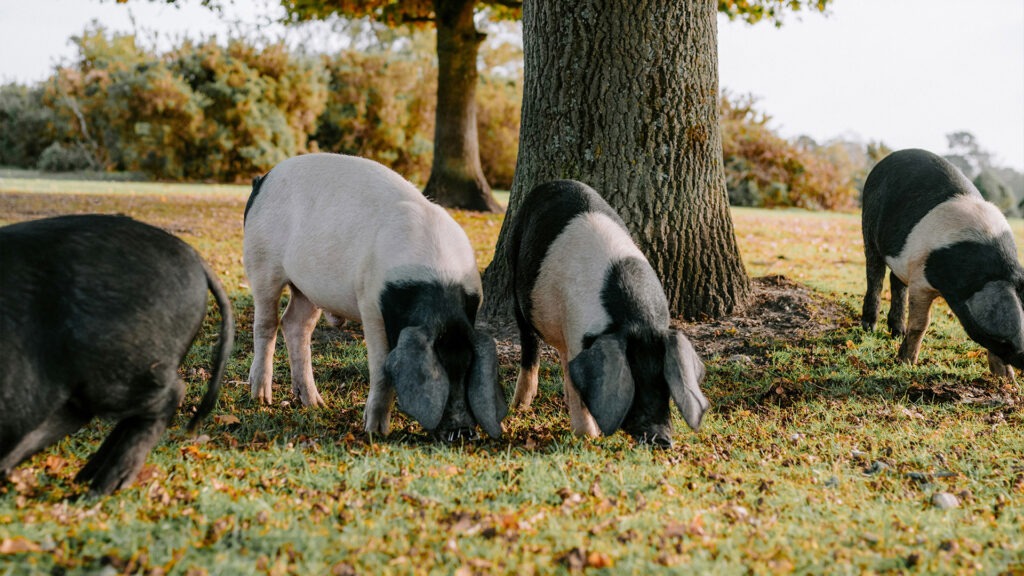
The unique and ancient system of common grazing is a critical component of ensuring the Forest survives as an extensive, intact cultural landscape.
Yet current post-Brexit farming schemes are not well-suited to the New Forest’s unique grazing system and there has already been a worrying decline in cattle numbers due to reduced support payments and rising costs.
Without urgent action, we risk losing the conservation benefits commoning provides not just for the Forest, but for the nation.
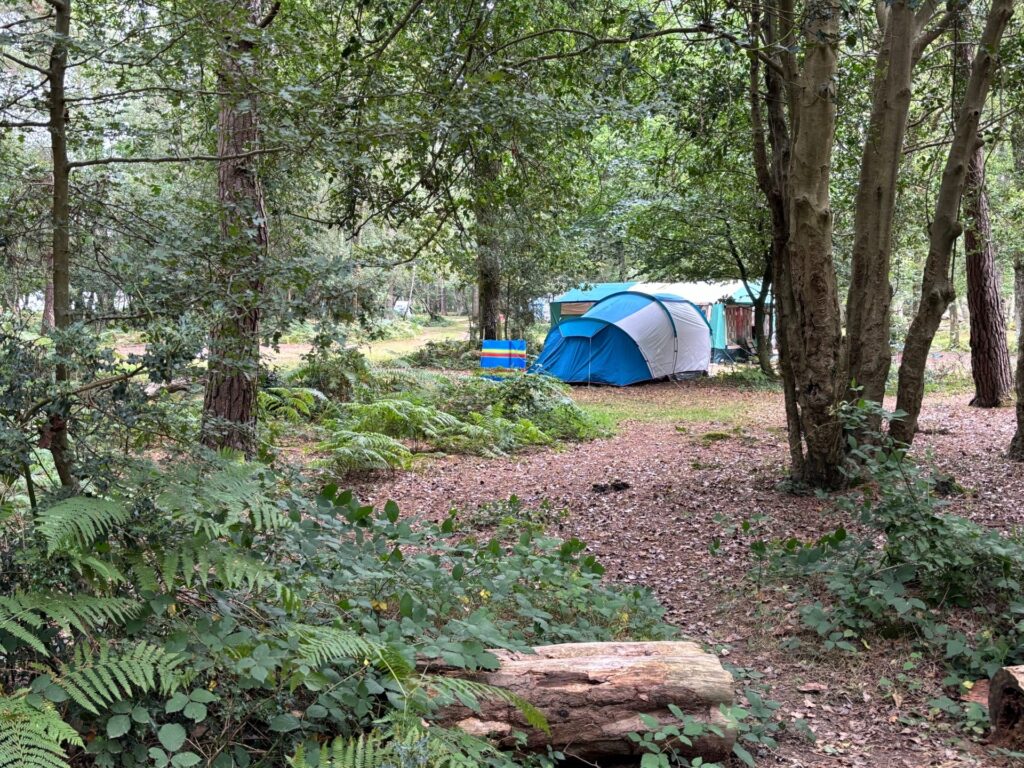
With over 15 million day-visits for leisure and recreation each year to the National Park, 75% of them are from just 300,000 relatively local people travelling from home on a regular, often daily basis. The remainder were by just over one million people who were on holiday. These large numbers and the fact that well over 50% of the National Park is designated for its rich wildlife create a unique management challenge.
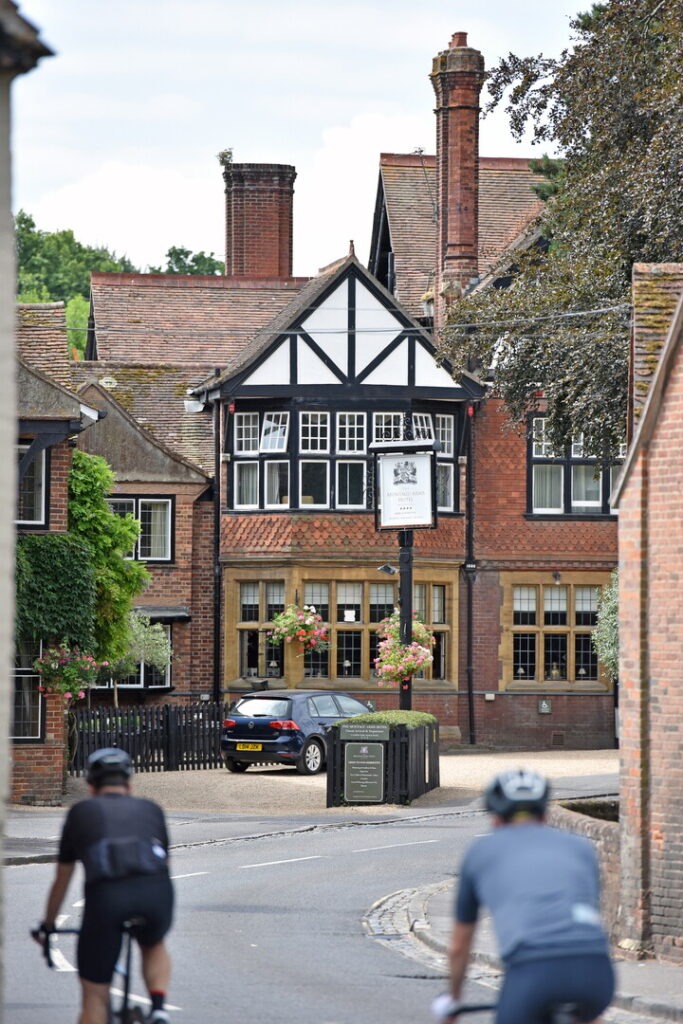
The New Forest is one of the most visited national parks in England and traffic within the National Park is a major issue for many residents and visitors.
The New Forest also has some of the highest car ownership in the country and the vast majority of visitors travel to the area by car. With a limited range of alternative transport options, an ageing population and lack of connectivity, the opportunities for active travel for some journey types are more limited.
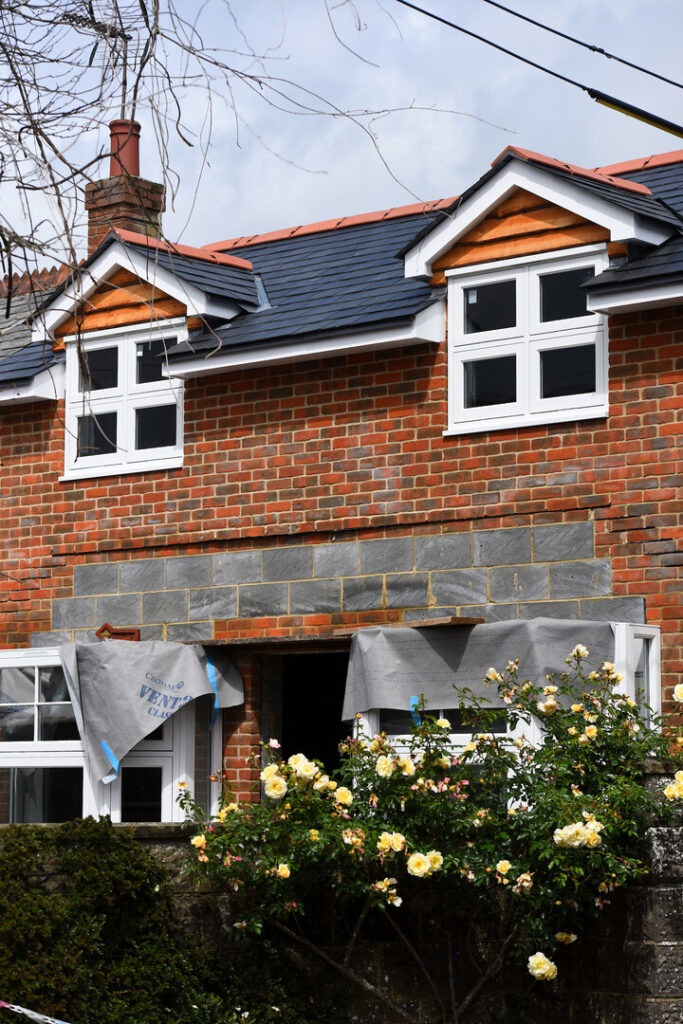
The affordability of housing is a major barrier to sustainable communities in the New Forest, where the average house price is around 15 times average earnings – making the New Forest the least affordable national park in the UK.
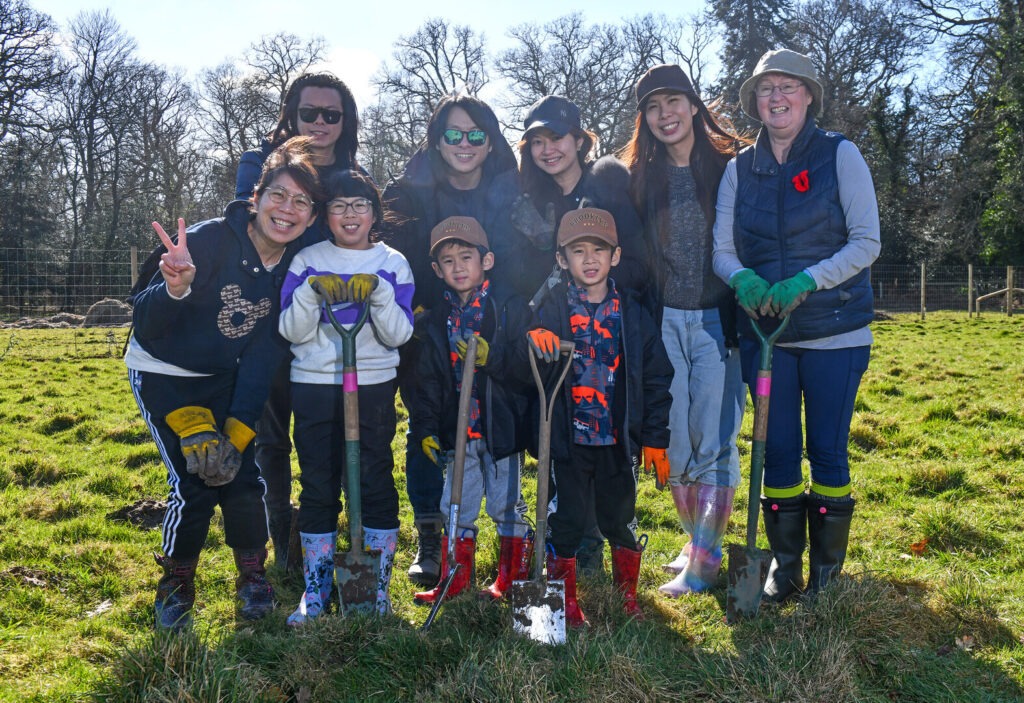
We are working to reach and welcome people and remove barriers to access to national parks for all parts of society, ensuring that access to the Forest remains inclusive and sustainable for all.
Keep your distance from the animals and don't feed or pet them - you may be fined.
Keep your distance from the animals and don't feed or pet them - you may be fined.
Keep your distance from the animals and don't feed or pet them - you may be fined.
Keep your distance from the animals and don't feed or pet them - you may be fined.