Wetlands
New Forest wetlands
The New Forest is one of the most intact networks of wetland habitat in western Europe.
Its mires, bogs, ponds, rivers and streams are one of the Forest’s most precious qualities and a key reason why the area was designated a National Park.
This section tells the story of the lesser-known creatures and plants that are found in these areas.
Mires
The National Park has 75% of the valley mires in north-western Europe (90 out of 120).
The permanently waterlogged soils along many of the valley sides and bottoms has led to the formation of the most important mire system in Western Europe supporting plants such as mosses, bog asphodel and white beaked sedge. Dragonflies and damselflies abound.
When soils become waterlogged, organic matter no longer breaks down but accumulates as peat. As the peat builds up, plants of bogs and mires begin to grow. In the New Forest most mires are found in the valleys, often towards the south of the Park. A valley location means that water feeding the mire will have passed through the surrounding rocks and soils and be relatively rich in nutrients.
The water movement through the mire creates complicated patterns of nutrients and vegetation. At the outer edges of the mire sphagnum mosses are commonly found alongside different orchid species, cotton grass, sundews and bladderworts. This is the most nutrient poor soil on the mire. Plants such as sundews and bladderworts thrive here as both are adapted to low nutrients by being carnivorous on small insects.
Purple moor-grass and bog myrtle are found towards the middle of the mire along with areas colonised by alder and birch trees.
This last zone often has many other plant species associated with it. Mires are generally rich in plants with over 150 species being recorded on the better sites.
Ponds
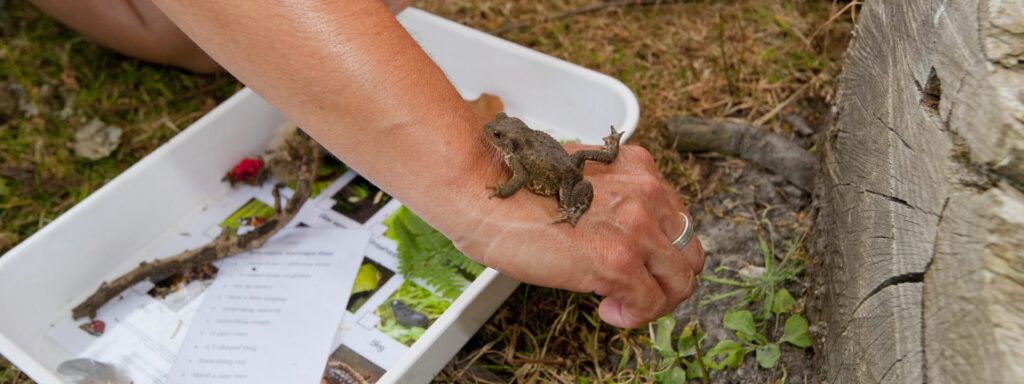
There are up to 1,000 permanent and temporary ponds within the Forest and many are of national, or even international, importance for wildlife.
The variation in geology within the Forest results in a wide range of different pond types which in turn supports varied and rich animal and plant communities.
The waterbodies benefit from being in a landscape that is often managed through grazing, and that is often free from pollution originating from more intensive human activities.
As a result of its wildlife importance, the National Park has been identified as one of only a handful of ‘Important Areas for Ponds’ in England and is acknowledged as one of the most important areas for freshwater wildlife in Britain.
Some New Forest ponds are permanent but the majority are temporary, drying out in most summers but reoccurring in the same location every year following the onset of heavier rainfall. These create special habitats that support associated important and rare wetland plants and insects.
Pond facts:
- 38 of the UK’s pond-associated priority species are found in the Forest, probably more than any other area.
- 20 of the nation’s rarest plant species (‘Red Data Book species’) can be found in Forest ponds
- Hundreds of the Forests ponds qualify as ‘Priority Ponds’ under the UK Government’s Biodiversity Action Plan
- One in three ponds in the Forest supports at least one nationally rare insect (‘Red Data Book species’).
Rivers and streams
The New Forest contains many small rivers and streams which begin in boggy heathland mires, as well as small lakes, numerous ponds and coastal saltmarshes. These water bodies are some of the most important areas for wildlife in the UK and Europe.
In total there are 32 water bodies, including rivers, streams, brooks and lakes. These range from larger rivers such as Lymington and Beaulieu to shorter streams and brooks such as Sowley Stream and Jacobs Gutter.
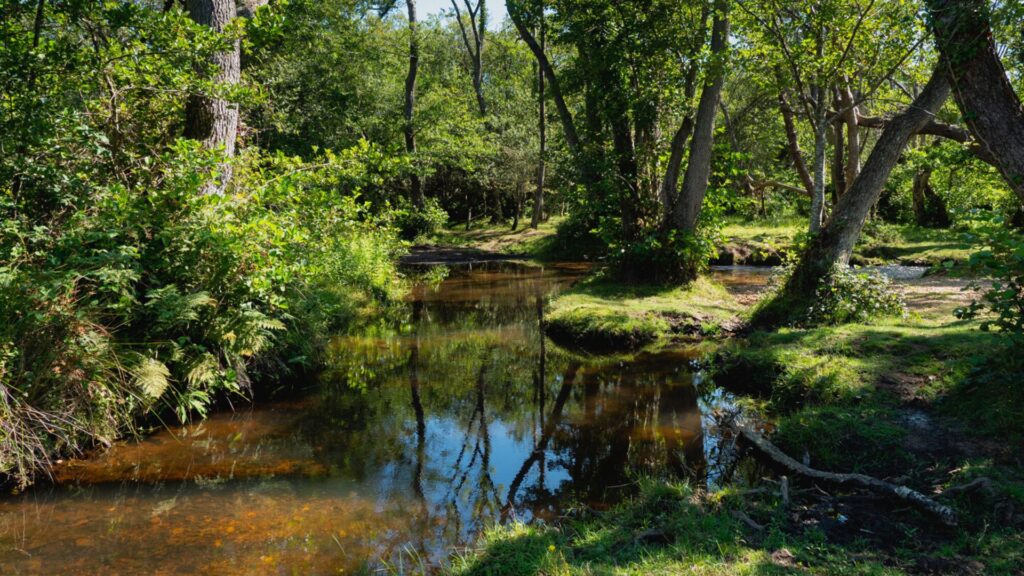
The New Forest is unusual in lowland England due to its large areas of uncultivated land (the Open Forest). This makes it one of the best places to see rich and near-natural freshwater habitats in the UK, one of the reasons why such a high level of protection is given to the landscape.
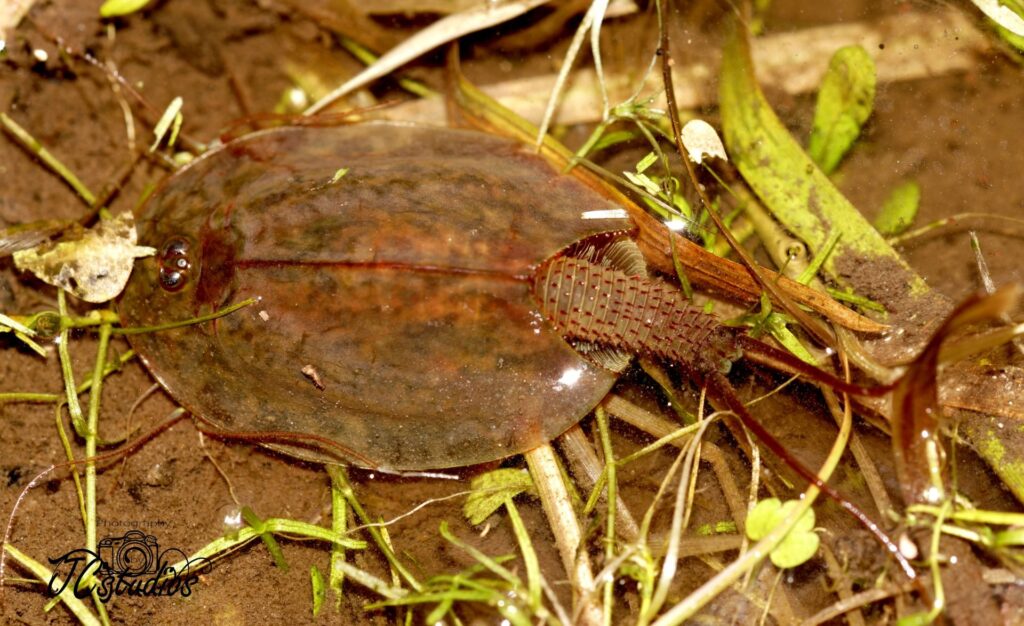
Triops
They’re older than dinosaurs, breathe through their feet and can lie dormant for decades.
The New Forest National Park is of vital importance to the survival of triops – a rare species of small crustaceans also known as tadpole shrimps.
Living in only two places in the UK (the other being Caerlaverock Wetland Centre in Dumfries, Scotland), these bizarre creatures can be found in just one of the New Forest’s estimated 1,000 ponds. The Forest’s wet and warm autumns provide the perfect hatching conditions in temporary ponds which disappear and reappear with changes in weather.
Pre-dating the dinosaurs by millions of years, these prehistoric crustaceans are one of the oldest species in the world, having been around for 360 million years. The eggs are resistant to drying out and dying, and are sometimes called living fossils as they can survive incredibly high temperatures and can still be viable after 27 years.
The Forest’s ponds form a significant part of its freshwater habitats, which host nationally rare freshwater plants and invertebrates, making the Forest one of the most important freshwater areas in Europe.