Tree species
Tree species
The New Forest boasts many varieties of tree, some native species, such as oak, ash, beech and silver birch, as well as introduced species which call the Forest their home.
Over the years, trees have been used for many things in the New Forest. They provide us with shelter, fodder for cattle, food for humans, and charcoal for fire.
They have also been hewn into some fantastic items, including furniture, musical instruments, toys, bowls and sculptures.
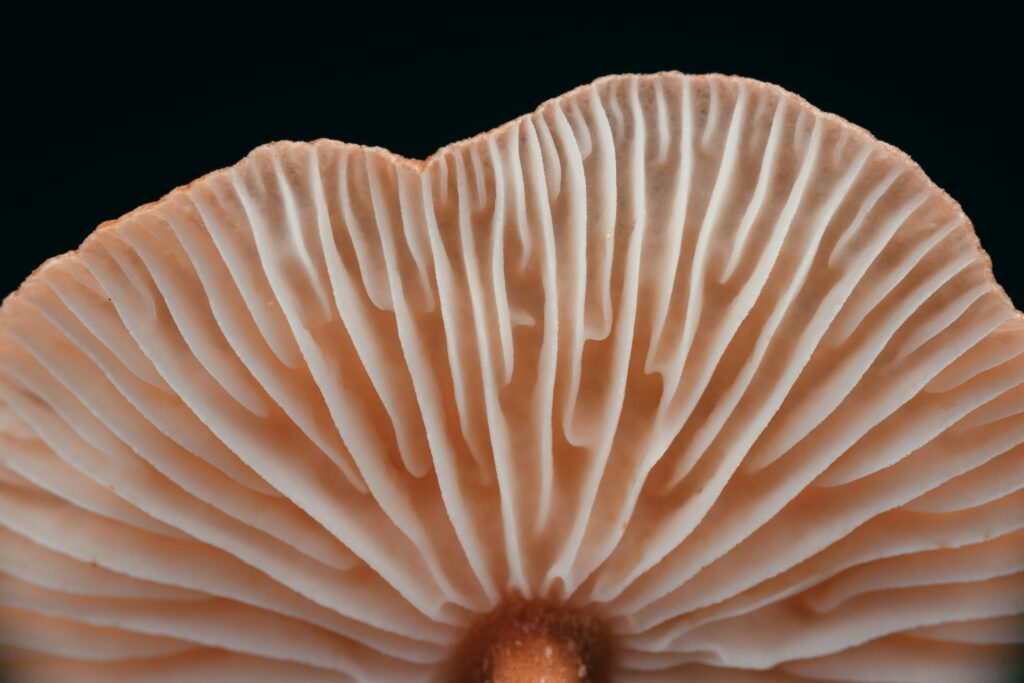
They are havens for wildlife, and the fascinating world of fungi depends on them too. Trees also play an important role in combating climate change by capturing harmful carbon emissions from the air around us.
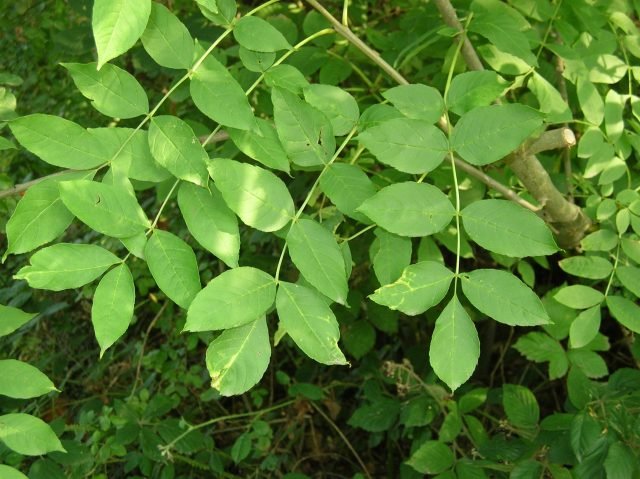
Ash
Ash is a native deciduous tree that can grow up to 30 metres tall and is easily recognised by its smooth grey bark and compound leaves made up of seven to thirteen small leaflets. It is commonly found in hedgerows and across agricultural land, where it has long been valued for its versatility. Fast-growing and strong, ash has traditionally been used for timber and is also regarded as one of the best woods for firewood.
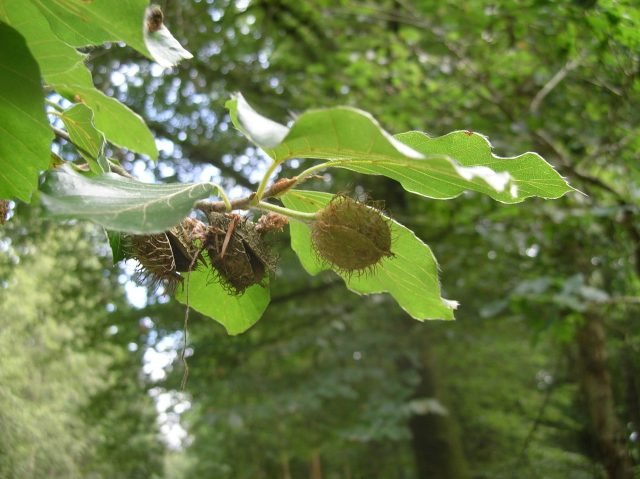
Beech
Beech is a tall, long-lived tree that can reach heights of up to 40 metres and thrive in exposed conditions, tolerating wind and cold temperatures. In autumn, its leaves turn a rich yellow before fading to bronze, often remaining on the tree well into winter. Beech trees can live for up to 350 years, creating dense, shady woodland with thick layers of fallen leaves on the forest floor – conditions that provide an ideal habitat for spring flowers such as bluebells.
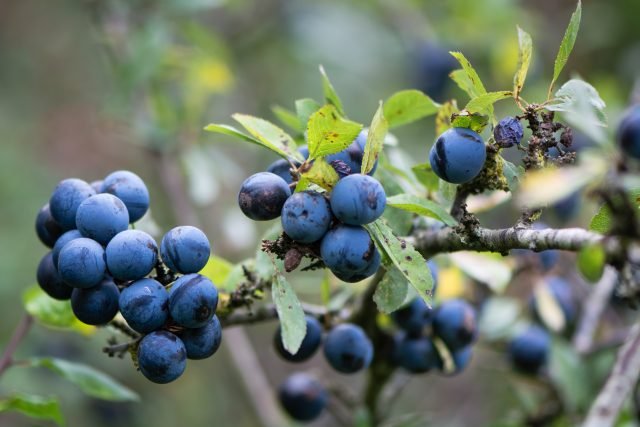
Blackthorn sloe
Blackthorn, also known as sloe, is a native deciduous shrub that can grow up to five metres tall. Its stiff, spiny branches form dense thickets that provide excellent shelter and nesting cover for birds. Blackthorn is commonly found in open areas and along woodland edges, where it plays an important role in supporting wildlife. In autumn, it produces blue-black fruits with a pale waxy bloom – extremely sour when raw, but famously used to flavour sloe gin.
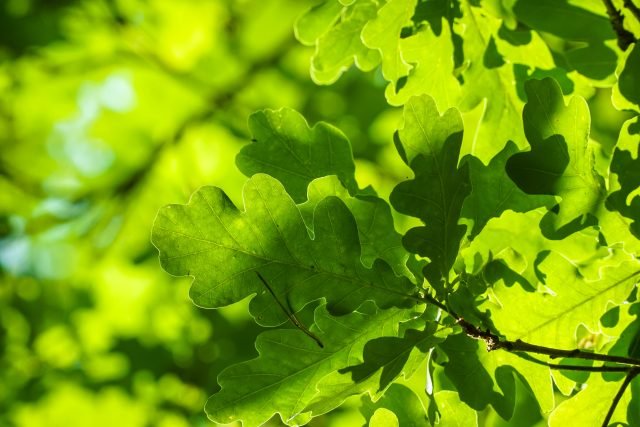
English oak
English oak is a native tree that can grow up to 30 metres tall and is a familiar feature of woodlands across the New Forest. Renowned for supporting more wildlife species than any other British tree, oak forms the backbone of whole ecosystems, providing food and shelter for insects, birds and mammals alike. Alongside its ecological importance, oak has long been valued for its strong timber and traditional medicinal uses, making it one of the most significant and culturally important trees in the Forest.
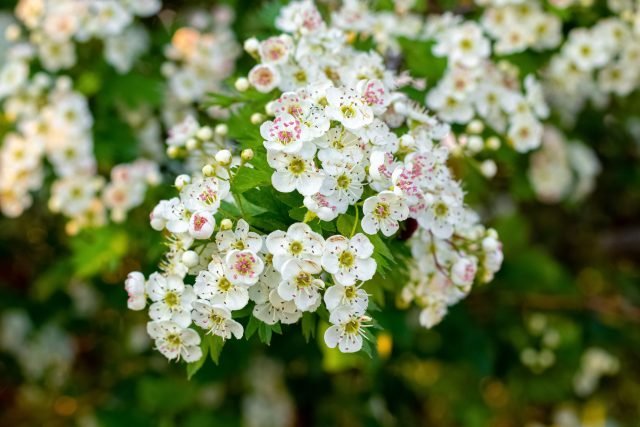
Hawthorn
Hawthorn is a thorny native tree that can grow up to around 10 metres tall and is a familiar sight in woodlands and hedgerows across the New Forest. Often planted as a hedge, it provides an important source of food and shelter for wildlife, with its flowers, leaves, shoots, seeds and red fruits – known as haws – all supporting a wide range of species. In late April and May, hawthorn bursts into white blossom, a much-loved sign that spring has truly arrived.
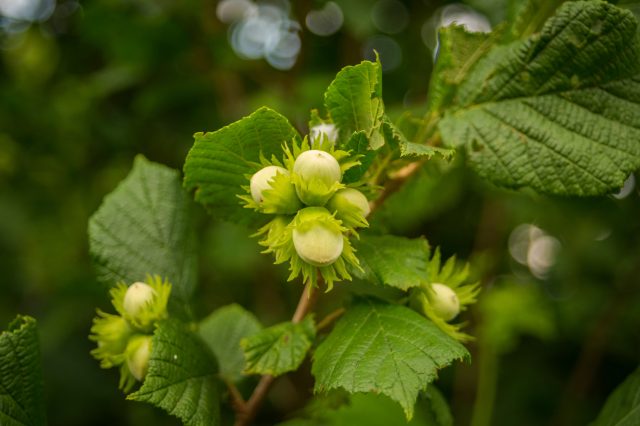
Hazel
Hazel is a native small tree or shrub that can grow up to around eight metres tall and is a common feature of woodland edges and coppiced areas. From winter through early spring, it produces long yellow catkins, providing an early source of pollen for wildlife. Hazel has a long history of traditional management, often coppiced to supply materials for hurdle fencing, thatching spars and garden supports such as pea and bean sticks. In late summer, it produces edible nuts that are enjoyed by both people and wildlife alike.
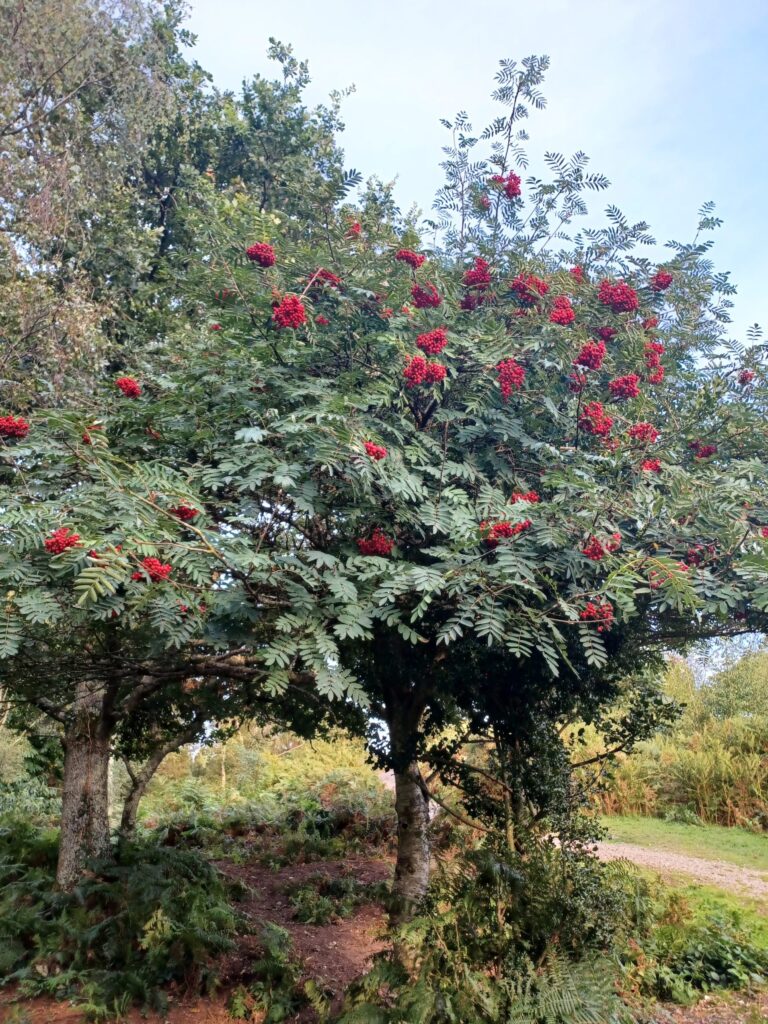
Rowan (Mountain Ash)
Rowan is a small British native tree, often valued for its suitability in smaller spaces and gardens. It offers interest throughout the year, with spring flowers, colourful berries in shades of red, orange or yellow, and vibrant autumn foliage. The berries are an important food source for many bird species, making rowan a valuable wildlife tree. Long associated with history and folklore, rowan has been admired for centuries for both its beauty and its symbolic significance.
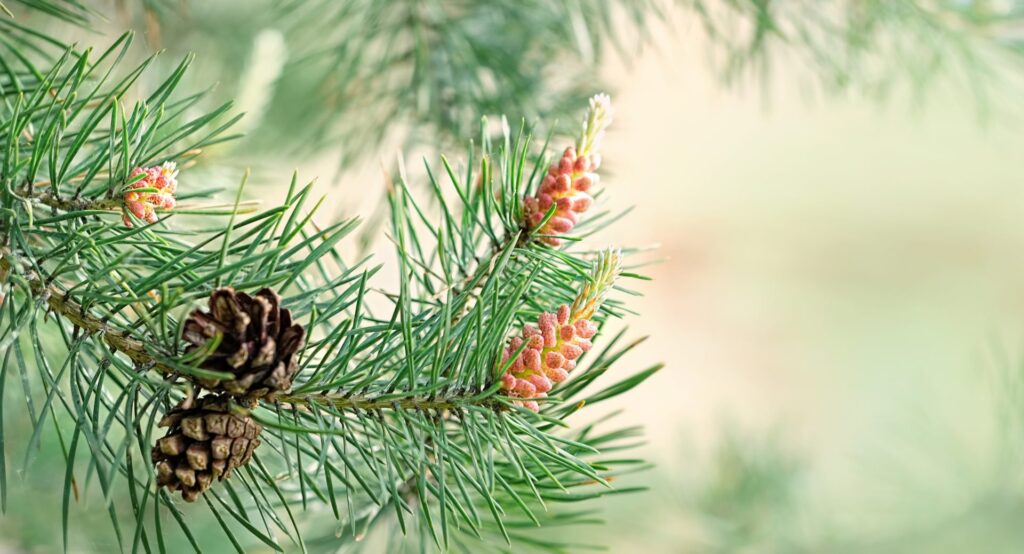
Scots pine
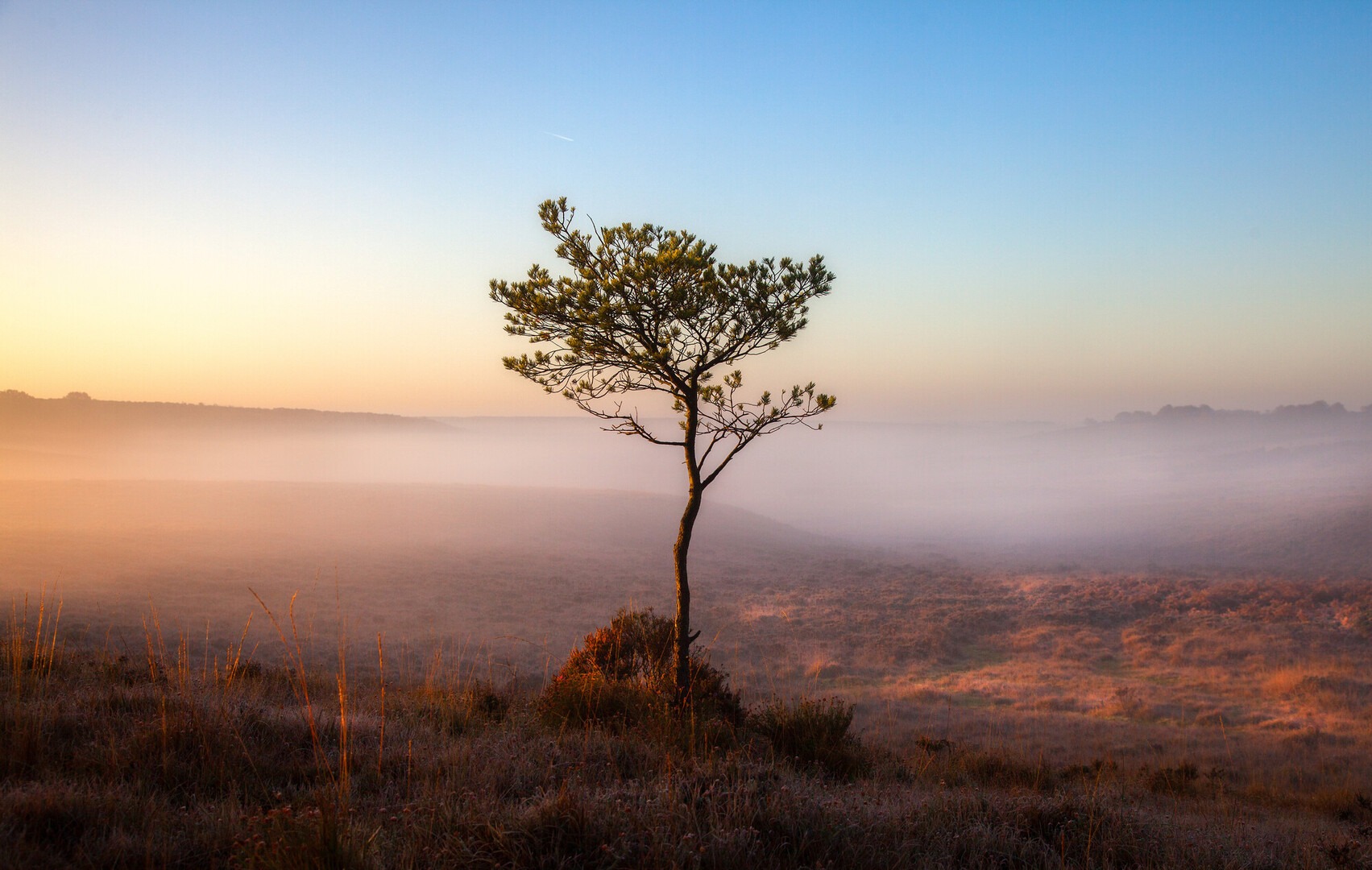
Scots pine is a native evergreen conifer that can grow up to around 30 metres tall and is easily recognised by its pale blue-green needles and distinctive orange-tinged bark. A hardy and resilient species, it is well suited to exposed conditions and poorer soils. Scots pine has long been valued for timber production and is widely grown for its strong, versatile wood, while also contributing to the character and biodiversity of the New Forest landscape.
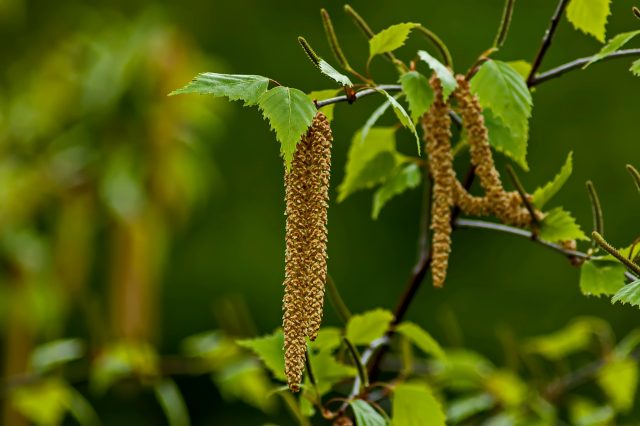
Silver Birch
Silver birch is a common native tree that can grow up to around 25 metres tall and is easily recognised by its light bark and delicate form. In early spring, it produces yellow catkins, providing an important early food source for insects. As a pioneer species, silver birch is often one of the first trees to colonise open or disturbed land, helping to create conditions for other plants and trees to follow. It supports around 230 species of insects and has long been valued for its timber, used in furniture making, as well as its twigs, traditionally used to make besom brooms.
Explore more habitats
The New Forest is a patchwork of ancient and ornamental woodland, open heathland, rivers and valley mires and a coastline of mudflats and saltmarshes.
Discover the New Forest
Discover the New Forest
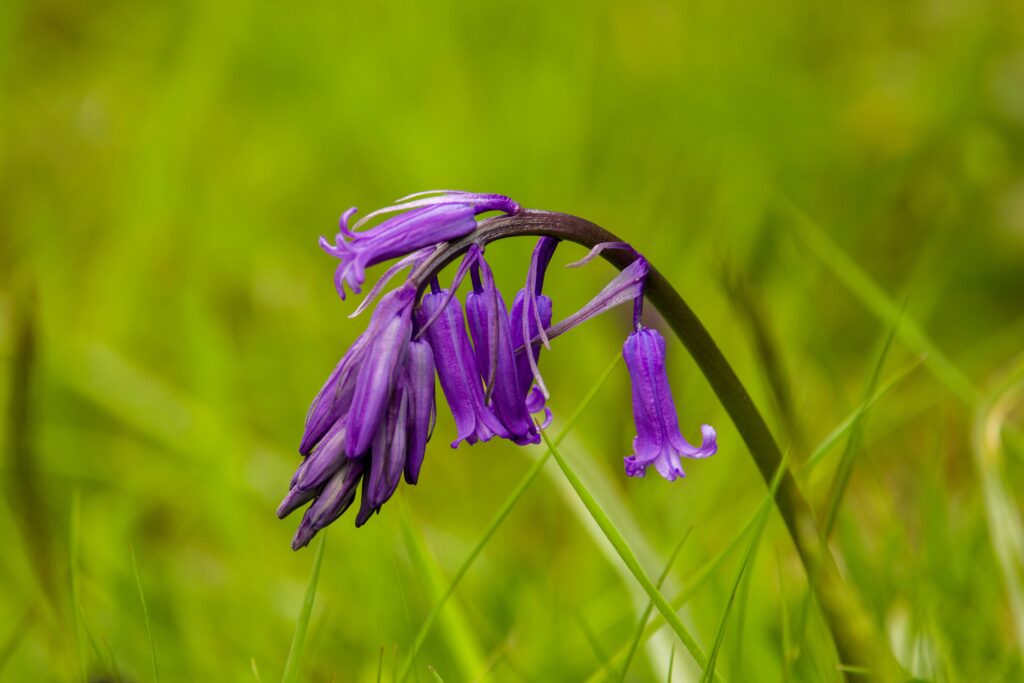
Woodland flowers
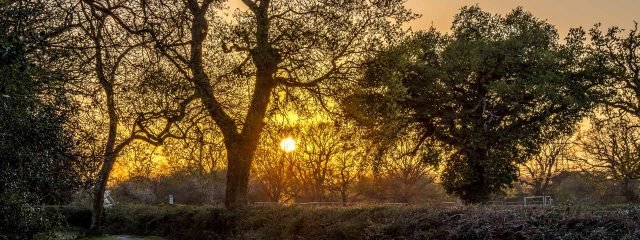
Ancient trees
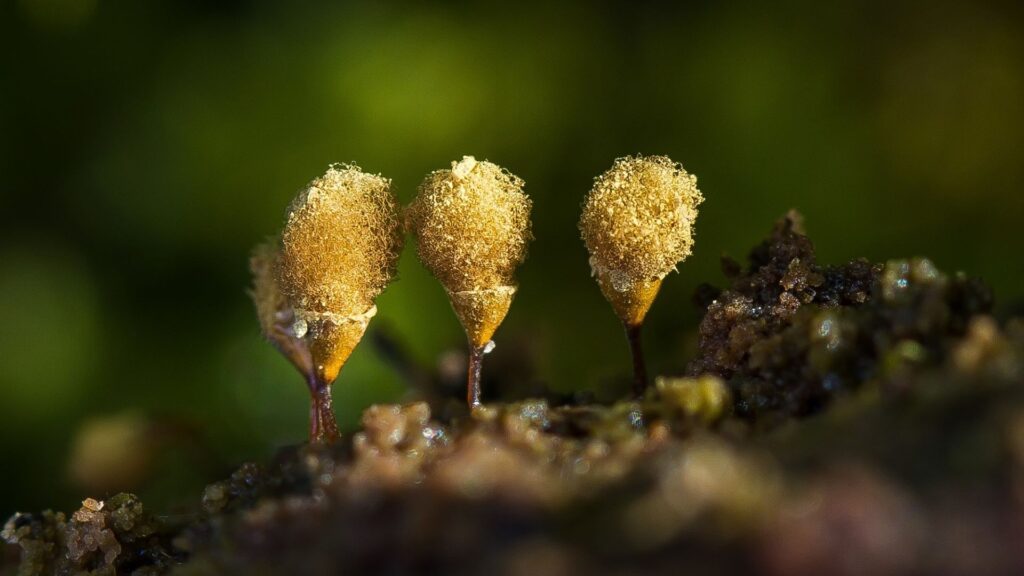
Slime mould
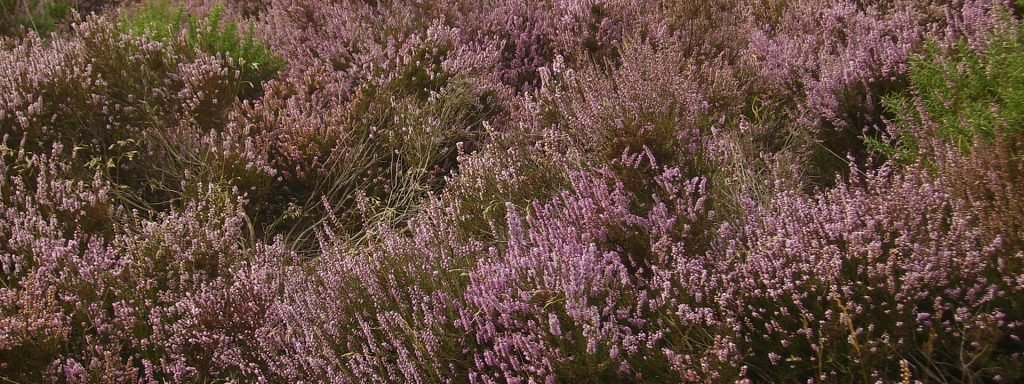
Heathland plants
1 - 5