Plants and fungi
Fascinating plants and fungi
A weird and wonderful range of plants and fungi call the New Forest home.
The New Forest’s plants and fungi are one of the reasons this area receives extra protection as a National Park. From devil’s finger to butcher’s broom, petty whin to wood spurge – the Forest is full of unusual plants and fungi with intriguing names. Use this section to find out more about them, including how you can help protect them and handy ID tips.
Fungi
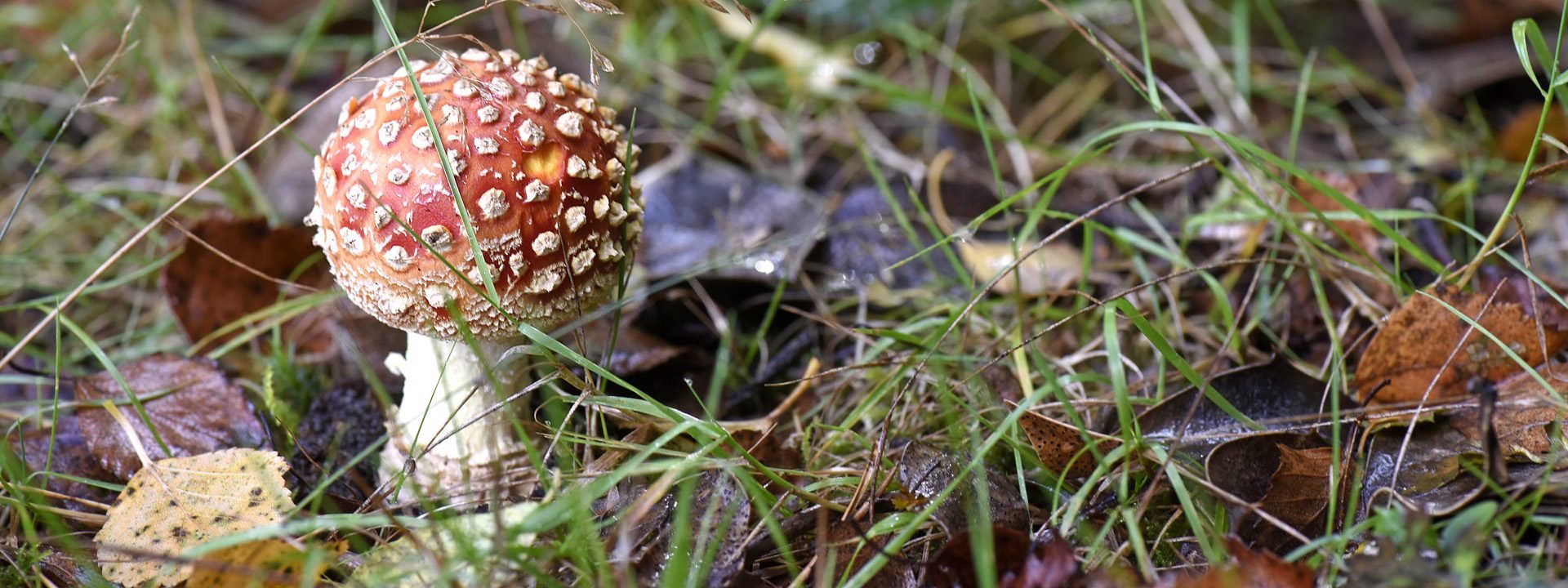
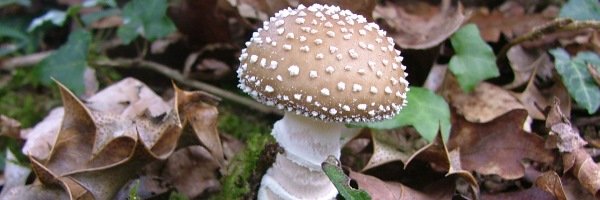
With an estimated 2,700 species, the New Forest is one of the most important areas for fungi in Britain, as well as a stronghold for many rare and endangered species, and even some still being discovered that are new to science. Some are so rare and vulnerable that they are on the protected species list and it’s illegal to pick them, even for scientific reasons (Schedule 8 of the Wildlife and Countryside Act 1981).
New Forest fungi can be found in the woodland, the grassland and the heathland. In heathland habitat, they tend to be rather small, brown and difficult to accurately identify, although when the heather is interspersed by gorse bushes somewhat larger fungi may be seen growing on the branching gorse.
All fungi are very important because they add to the biodiversity of the New Forest, and they are an essential part of the fragile ecosystem and ‘web of life’. Besides being essential rotters and recyclers (we would otherwise be completely overwhelmed by leaf litter and fallen trees), they provide food for some animals and may be vital to many invertebrates to enable them to complete their life cycles.
Please look but don’t pick
Heathland plants
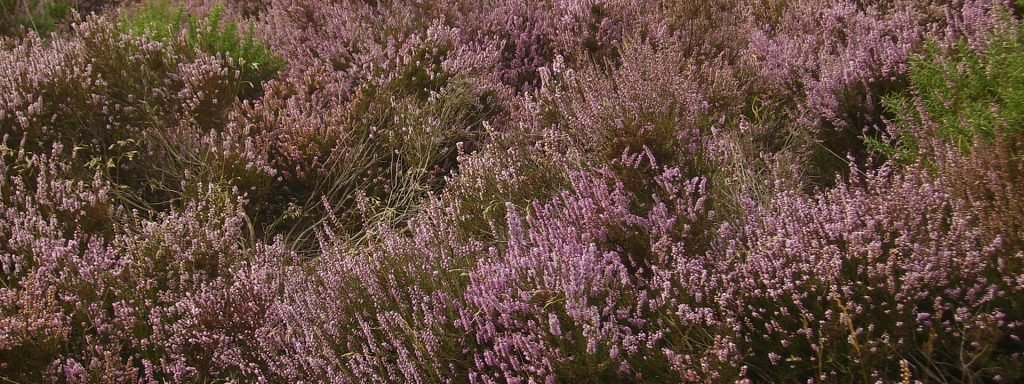
The lowland heathland of the New Forest, and other parts of southern England, is very special because of the warm, dry climate and the fact that it is on sandy soil. These conditions favour many species and create a different type of heath to the moors (upland heath) of northern England, Scotland and Wales.
Worldwide, lowland heath is mainly found in north-west Europe, with the majority in the UK, Denmark and Holland. The UK has lost over 80% of its lowland heath since 1800, and now has about 20% of the world’s lowland heath, making it a very rare habitat.
Relatively few species of plant can tolerate the acid conditions of the sandy soils. In order for these special plants to thrive, trees and scrub need to be prevented from spreading or be pushed back. This work is best done by grazing animals that like to eat the shoots and leaves of young trees.
The heathland habitat is also maintained by controlled burning or cutting and baling the heather. These can appear very destructive, but they are very important management methods. Burning revitalises many of the plants on the heaths, removing old growth and allowing a nutritious flush of new young growth for animals and wildlife to graze.
Woodland flowers
Woodlands are special because the trees form a shaded canopy in summer, so only those plants that are adapted to this can survive. The dampness and type of soil will result in different types of woodland, even in the same local area.
Woodlands are very common worldwide, but ancient oak woodlands are a decreasing habitat and few very old areas survive in north-west Europe.
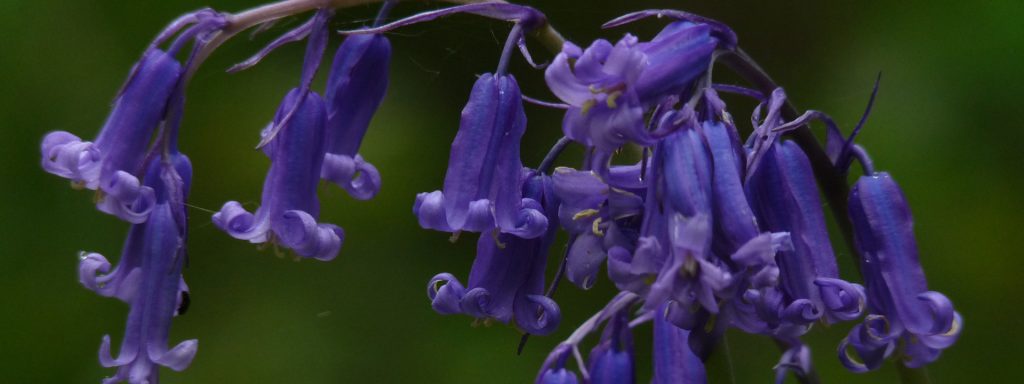
The most common types of flower that grow in these woodlands are those that flower early in the spring before the leaves of the trees open and cast their shade.
Many of the ancient New Forest woodlands have never been intensively modified, or worked, by people. Now they are mostly left as non-intervention (except the coniferous plantations). This does not mean that they are neglected, but that it has been determined that the best way to manage these woods for wildlife is to continue with letting nature run its course and allowing the grazing animals continued access to the woods and leaving dead and dying wood to rot in situ.
Slime moulds
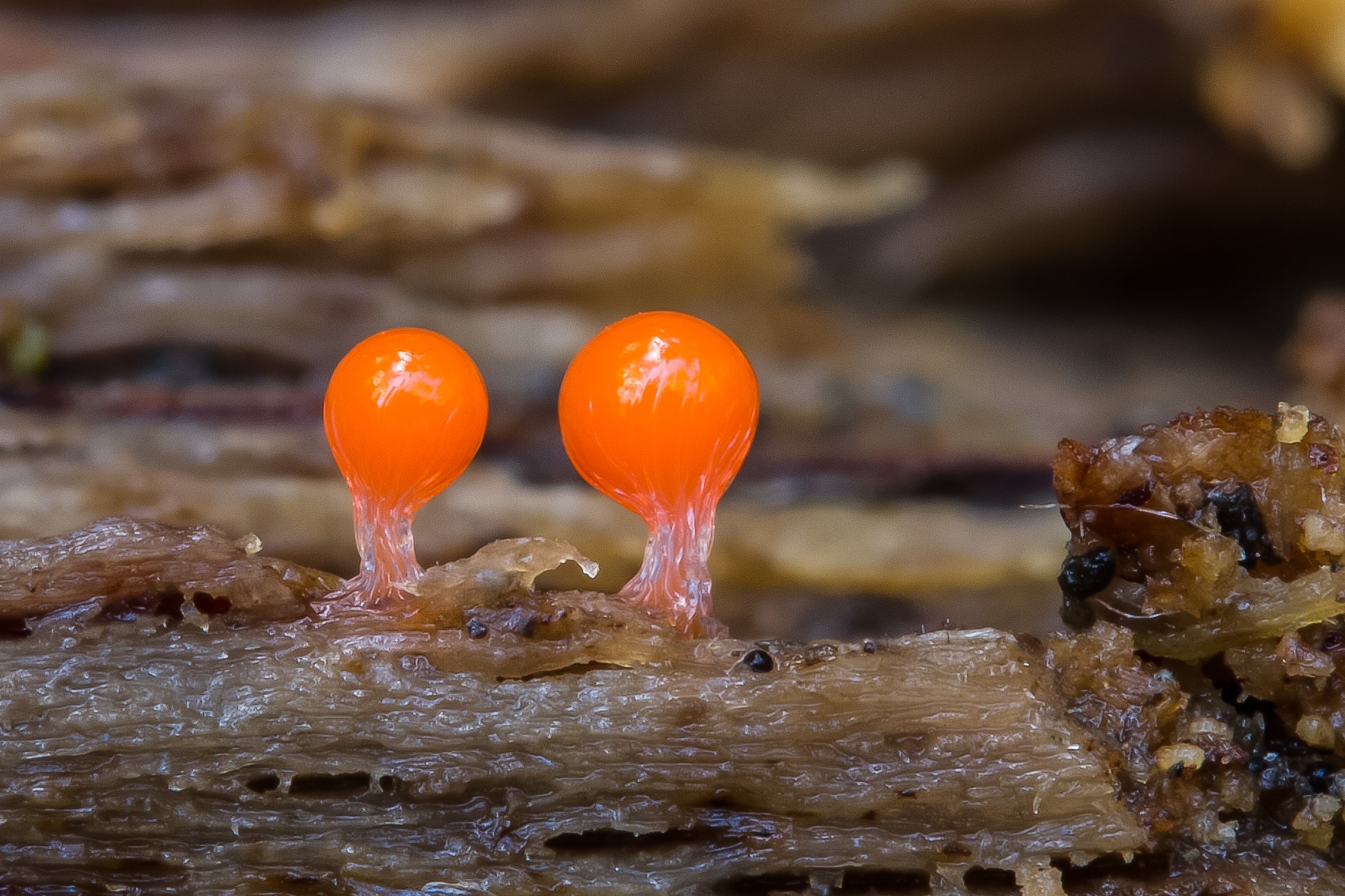
Each autumn, single celled-organisms combine to form slime mould, scouring the forest for bacterial food and eating anything in their path. They provide an essential service cleaning up our woodlands.
The eumycetozoa, or true slime moulds, contain more than 1,000 species known to science, with many found in the New Forest.
By far the largest sub-group are myxomycetes, a group of fungus-like organisms that typically occur in cool, moist, shady places like crevices within decaying wood, beneath the partially decayed bark of logs and stumps, and in leaf litter on the forest floor.
The fruiting bodies produced by myxomycetes are visually similar to those produced by higher fungi, although they are considerably smaller (usually no more than 1-2 mm tall). Fruiting bodies may take the shape of tiny goblets, globes or plumes. The spores of myxomycetes are mostly wind-dispersed.
This BBC video gives a fascinating time lapse view of slime mould:
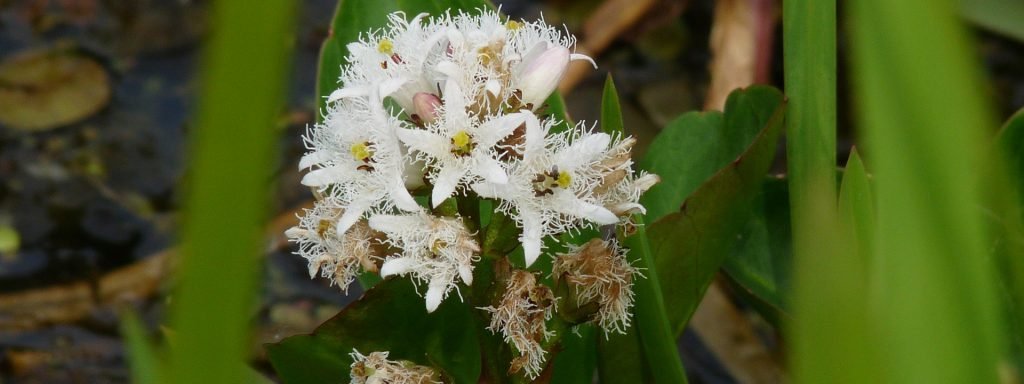
Bog flowers
The Forest has 90 out of the 120 valley mires remaining in north-west Europe.
These habitats are significant because they are permanently wet and acidic and because they are so extensive. Although the majority of the plants of New Forest bogs do also grow further north, many of the animals that rely on them cannot tolerate the colder conditions further north.
Bogs are a decreasing habitat worldwide because many have been drained for agriculture or development.
Relatively few species of plant can tolerate the permanently wet and acid conditions, and those that can are often uncommon and restricted due to the scarcity of the habitat.
If you go in search of these fascinating plants do be careful not to trample them.