D-Day Landings and the New Forest
D-Day Landings and the New Forest
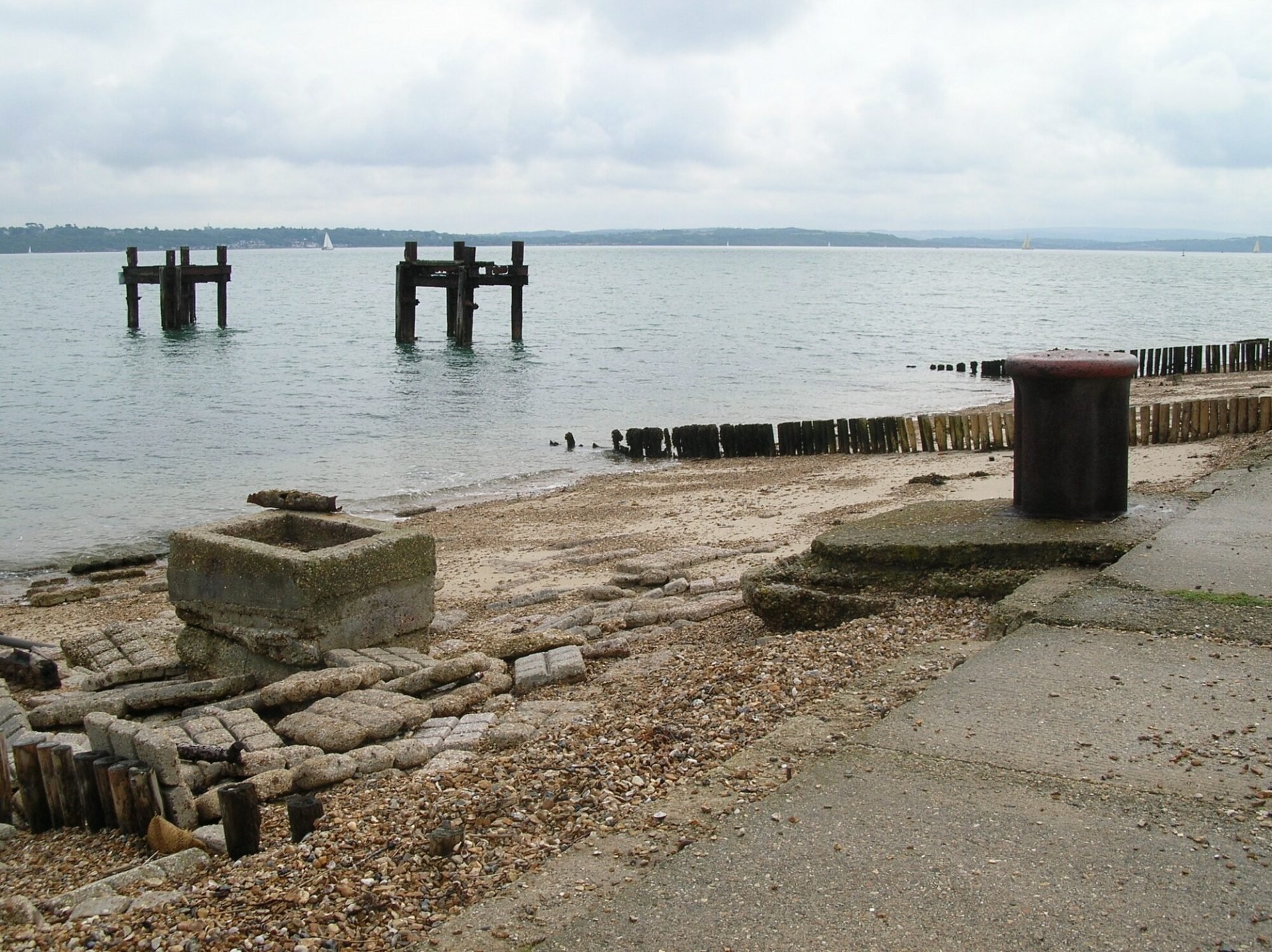
Over 80 years ago on 6 June 1944 thousands of troops left Britain for the beaches of Normandy, France, from various locations including Lepe Beach in the New Forest. This is known as D-Day, the start of the great campaign to liberate Europe and bring the Second World War to an end.
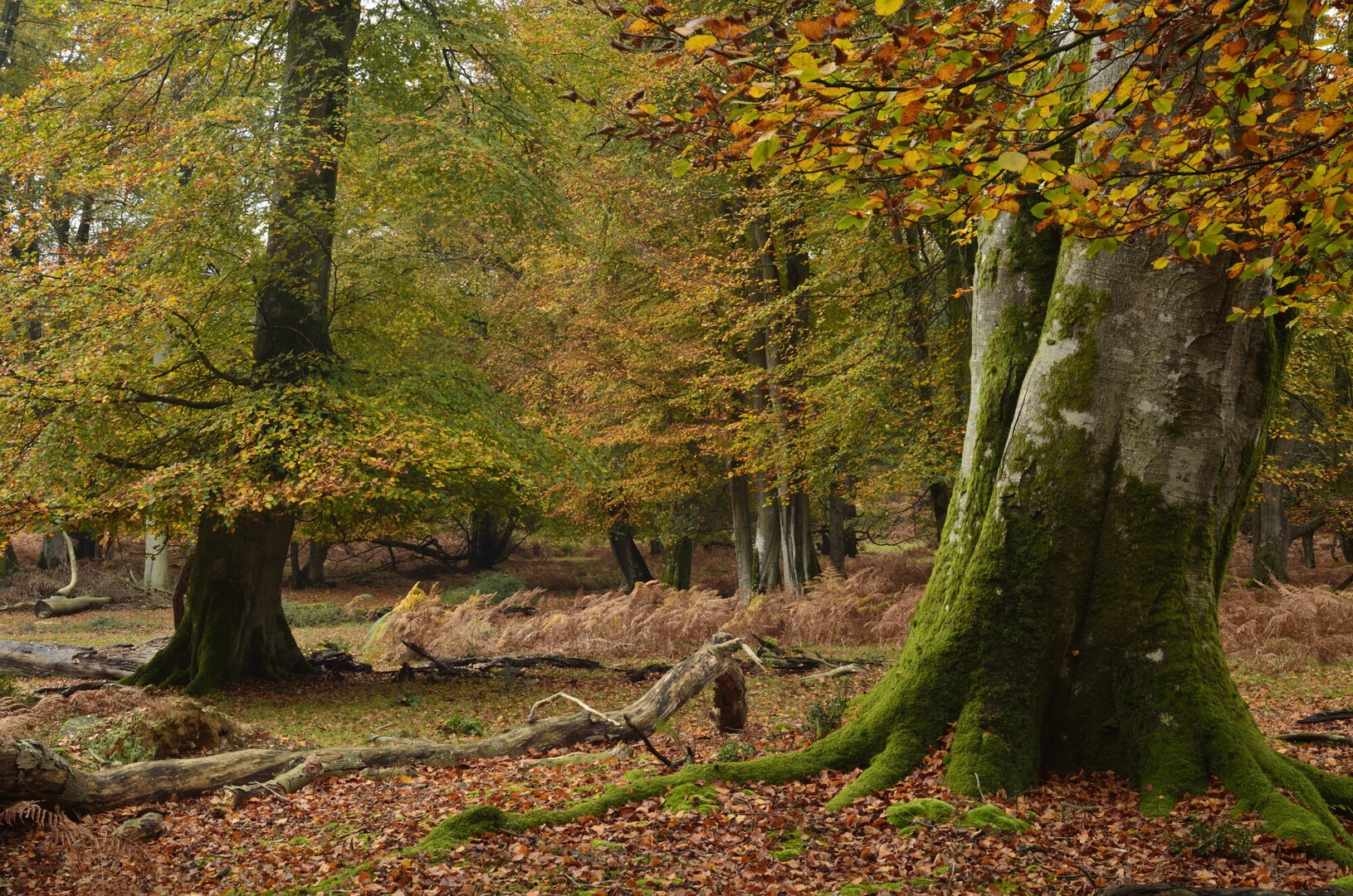
Many places in the New Forest are now well known for their tranquility, their disconnection from the hustle and bustle of everyday life elsewhere. But for months ahead of D-Day the New Forest had been home to thousands of allied troops, their equipment, vehicles and supplies.
The woodlands, heaths, villages and beaches were used for training and rehearsals for an event none of the troops knew anything about. Residents recalled the roads busy with trucks, tanks and jeeps, and temporary camps hidden among the trees. In the north an area had been fenced off and used as a bombing range. No one would have described the New Forest then as tranquil.
However, on 6 June 1944, the once busy New Forest returned to its quieter past as the Allied Forces left the Forest for Southampton, Portsmouth and Lepe, and from there on to the Normandy beaches.
Exploring the Forest today you can still find vivid reminders of our wartime heritage, from brick and concrete pillboxes, abandoned camps marked only by concrete building platforms, to the scars left in the ground from the old runways, now removed.
The Forest and the people that were living here played an important role during the build-up to D-Day, they welcomed complete strangers into their homes, struck up new friendships and supported each other through difficult times.
New Forest Remembers
The New Forest Remembers WWII (2012-2018) project aimed to record all the history, archaeology and living memories of the New Forest during the Second World War, and to make the findings freely available via an online digital archive.
Video Content
This collection of videos brings together our own content and selected films from the Imperial War Museums archives, sharing stories, memories and historical footage that explore the Forest’s connection to D-Day and the people involved.
Imperial War Museum Archives
New Forest National Park Authority archaeologists Gareth Owen and Hilde van der Heul bring to life archive footage from the Imperial War Museum showing the New Forest in the build-up to the D-Day.
The footage was gained via the New Forest Remembers project and following the digitisation of it for us, it was uploaded to the IWM website
All clips credit to Imperial War Museum
History Hits - D-Day at Lepe
Drone shot of D-Day remains at Lepe
D-day bridge building 1944