Raise a concern
Tell us about a development you think may breach planning conditions
Planning guidance
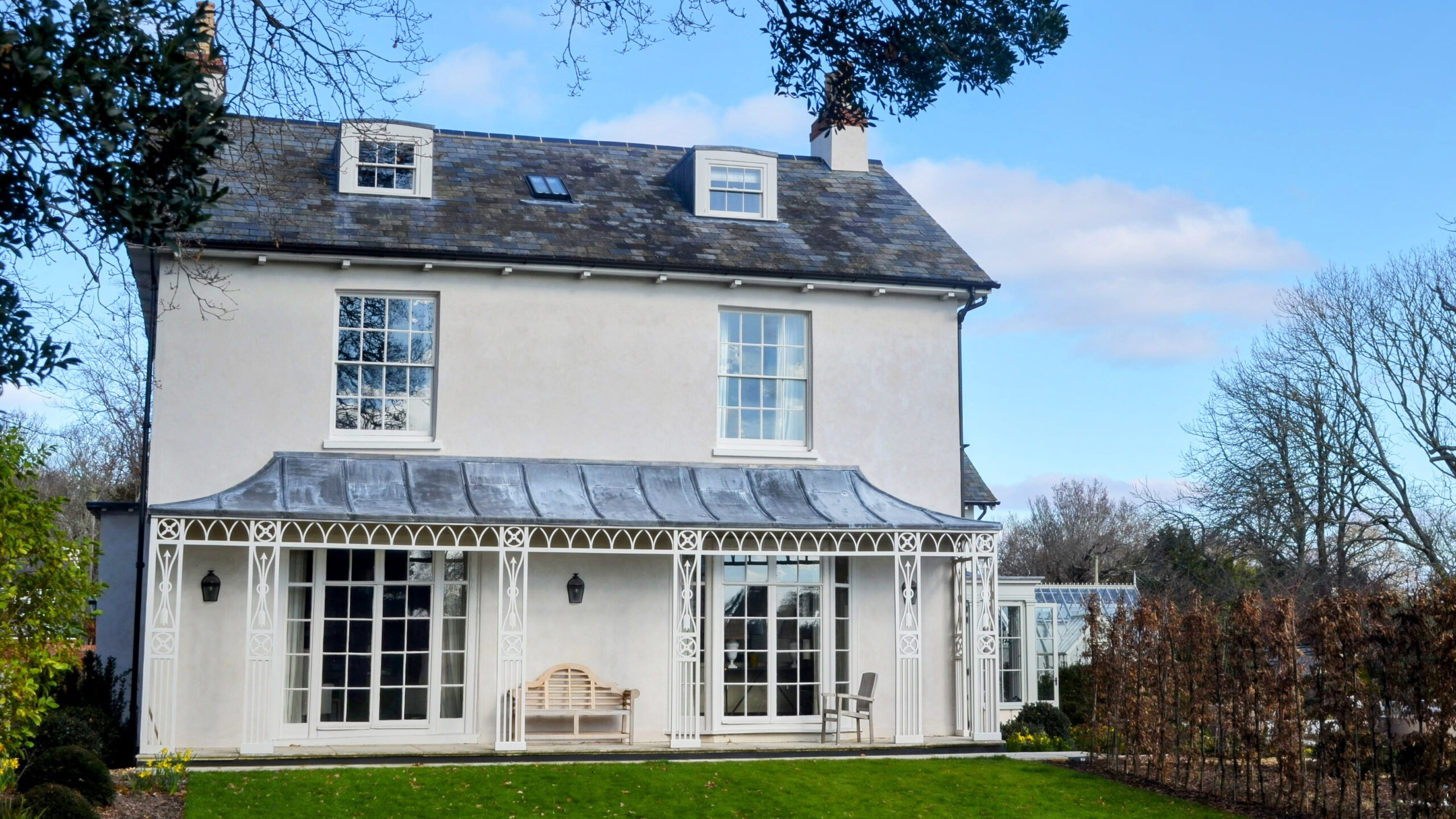
Please note that the permitted development rights which apply to many common projects for houses do not apply to flats, maisonettes or other buildings. There are also different requirements if the property is a listed building and there are slightly more restricted permitted development rights within the National Park including householder permitted development rights.
Online: The Planning Portal hosts a visual guide for householders but please check the small print as further restrictions apply within National Parks. There’s also a useful section: Do I need permission?
Telephone: A duty officer is available on the telephone (01590 646615) from 10am to 11.45am, Tuesday to Thursday, to help with general planning enquiries from members of the public. This is a free service.
Email: planning@newforestnpa.gov.uk
Write in: Lymington Town Hall, Avenue Road, Lymington, SO41 9ZG
An acknowledgement letter will be sent advising the name and contact details of the Planning Officer dealing with your enquiry and reference number. If you need to contact us, please quote the reference number. We aim to respond to written requests within 15 working days.
You should also note that the local planning authority may have removed some of your permitted development rights by issuing an Article 4 Direction. This will mean that you have to submit a planning application for work which normally does not need one.
Article 4 Directions are made when the character of an area of acknowledged importance would be threatened. They are most common in conservation areas.
Our ecologists advise that, in the New Forest, even well-managed projects should take ecology into careful consideration. The area supports a wide range of legally protected species, so seeking ecological advice at an early stage is strongly recommended, even where planning permission is not required.
Early ecological input helps ensure works are carried out responsibly and lawfully, reducing the risk of unintended impacts. It can also help avoid unexpected delays or additional costs that may arise if protected species are discovered later in a project.
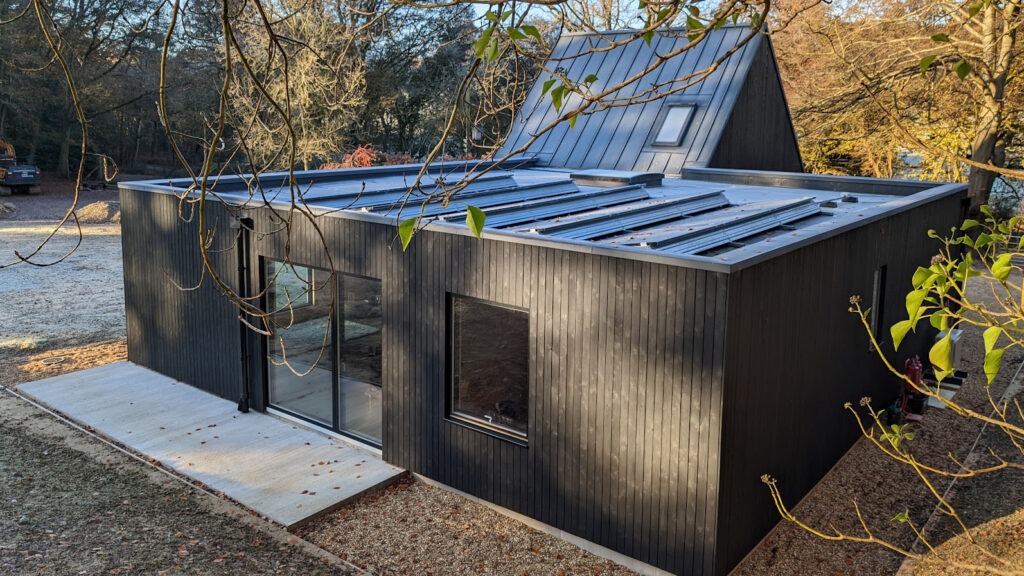
Ensure the application process runs smoothly and quickly, while reducing the chances of submitting an invalid application.
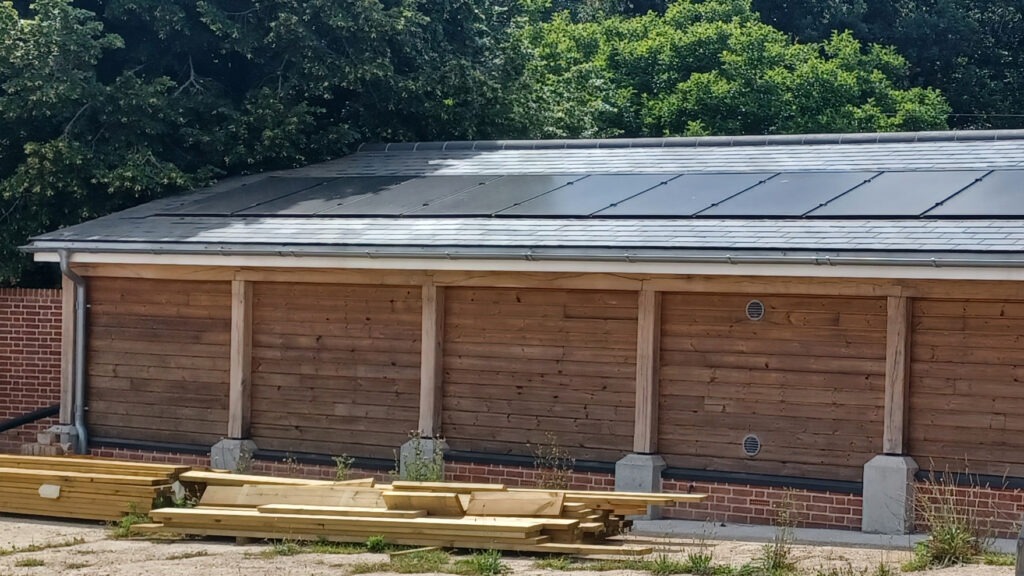
Whether it’s an extension, new windows, a garden structure or something more specialist, planning rules can vary depending on the type of work and the details of your property.
We’ve created a guide giving an overview of common alterations and explains when planning permission is needed, and when development may be permitted without an application.
Find additional planning information, including committee updates, guidance, reporting concerns, and answers to common questions.
Tell us about a development you think may breach planning conditions

Guidance on submitting materials
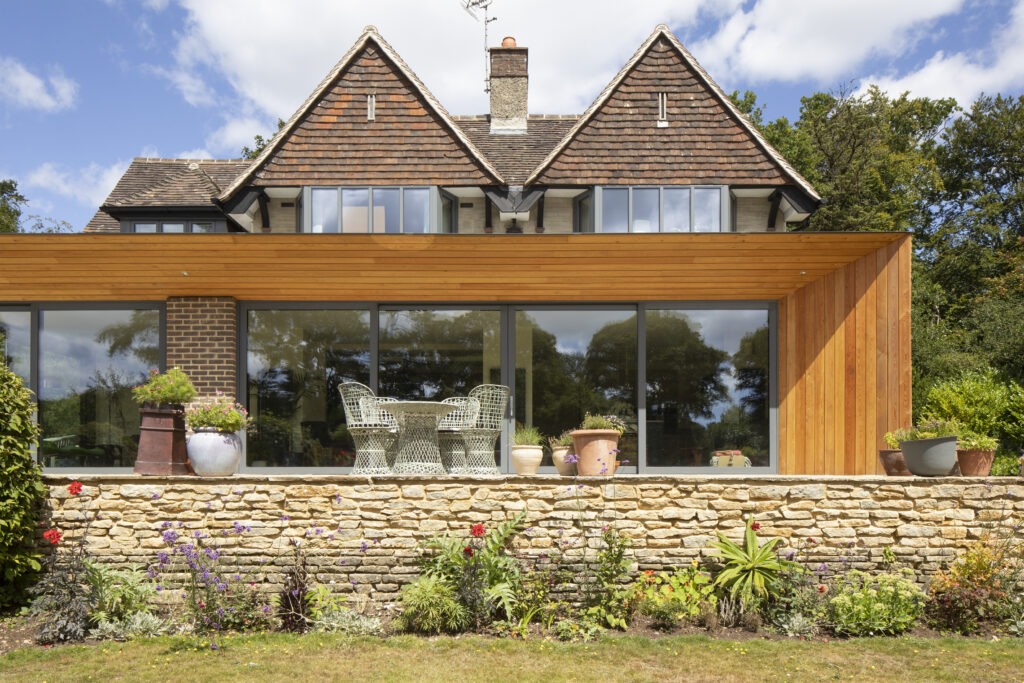
When permitted development rights are withdrawn
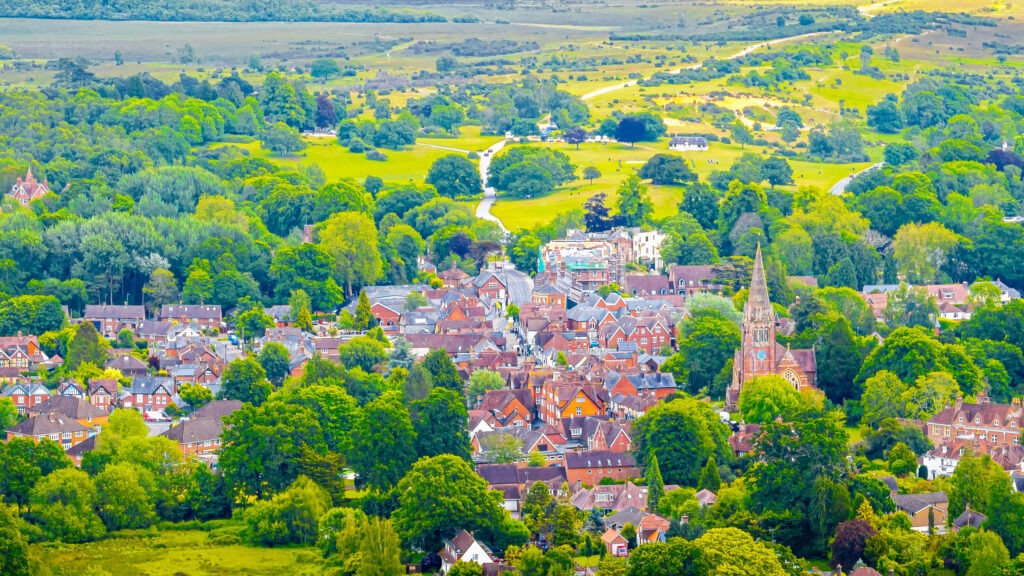
Find out more about the policies which shape our planning decisions
Keep your distance from the animals and don't feed or pet them - you may be fined.
Keep your distance from the animals and don't feed or pet them - you may be fined.
Keep your distance from the animals and don't feed or pet them - you may be fined.
Keep your distance from the animals and don't feed or pet them - you may be fined.