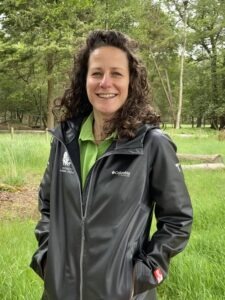
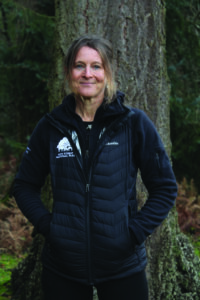
Gillie Molland
Lead ranger
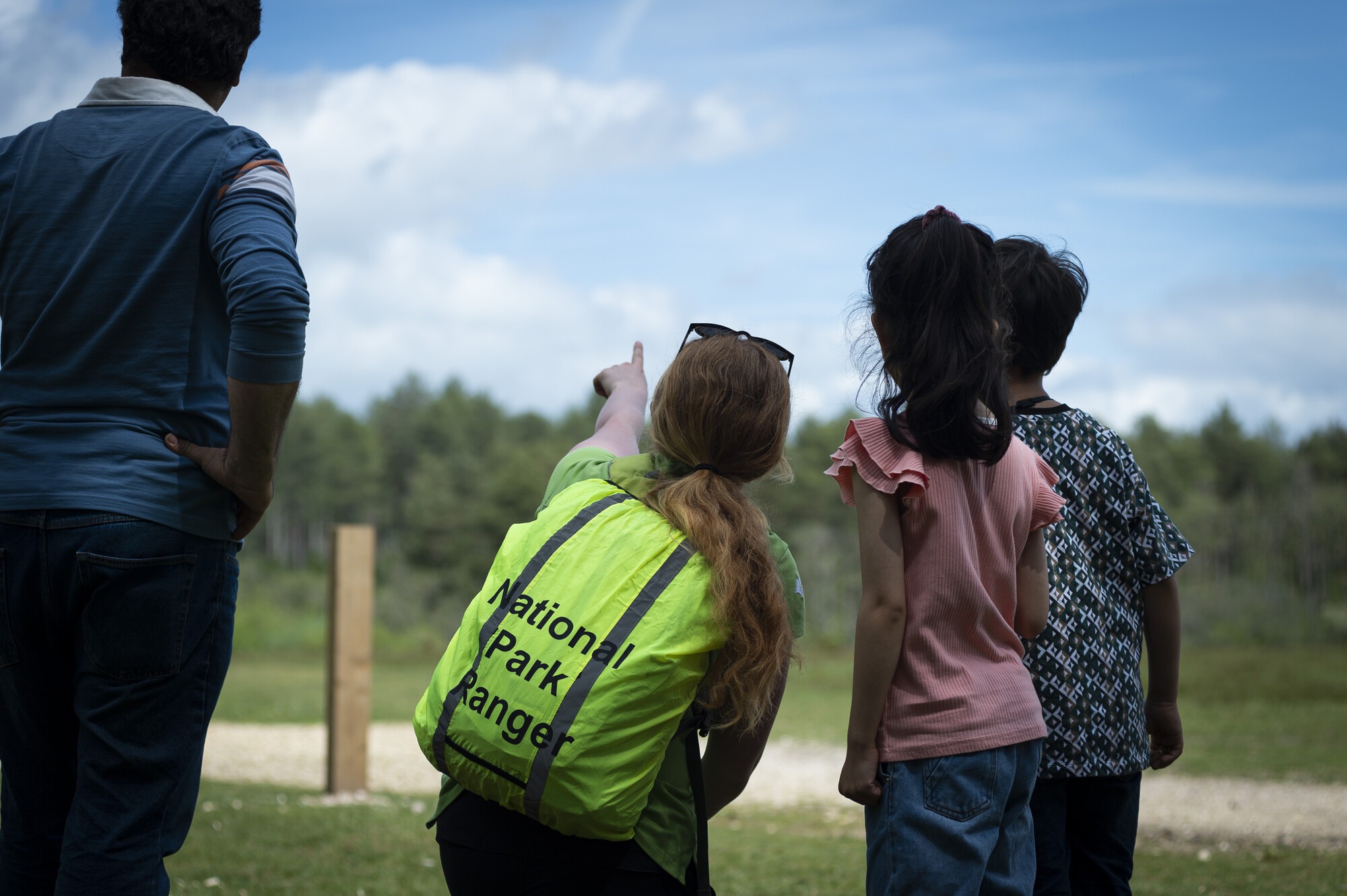
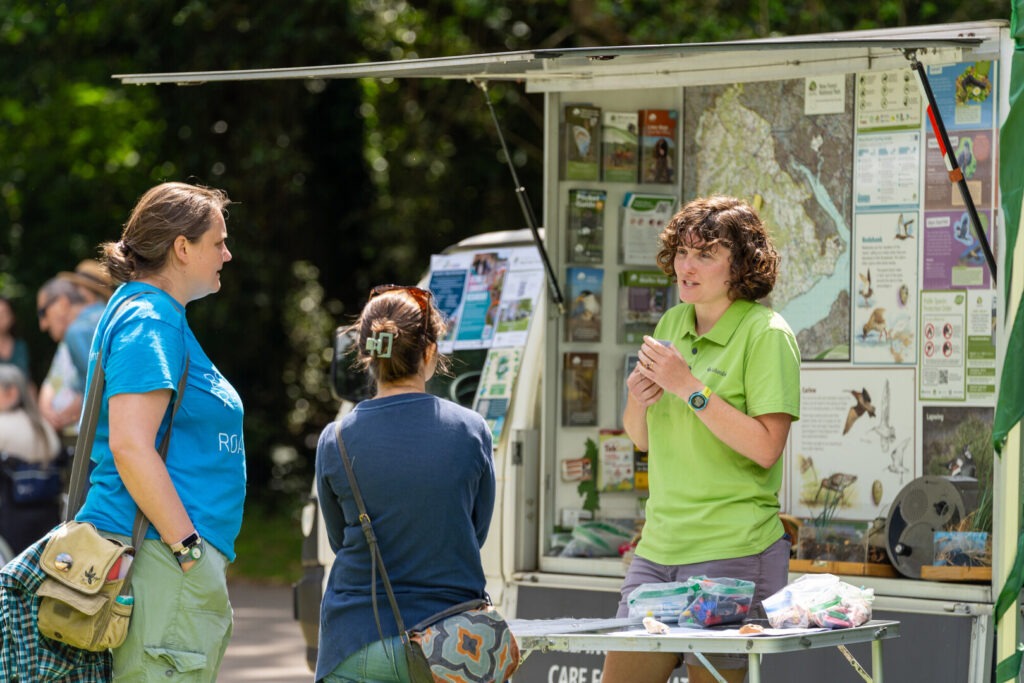
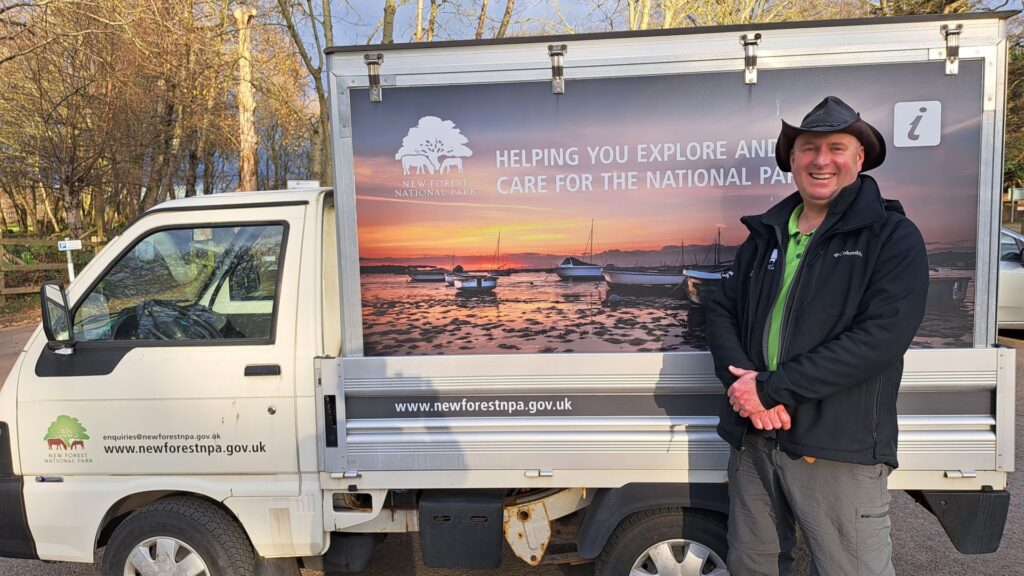
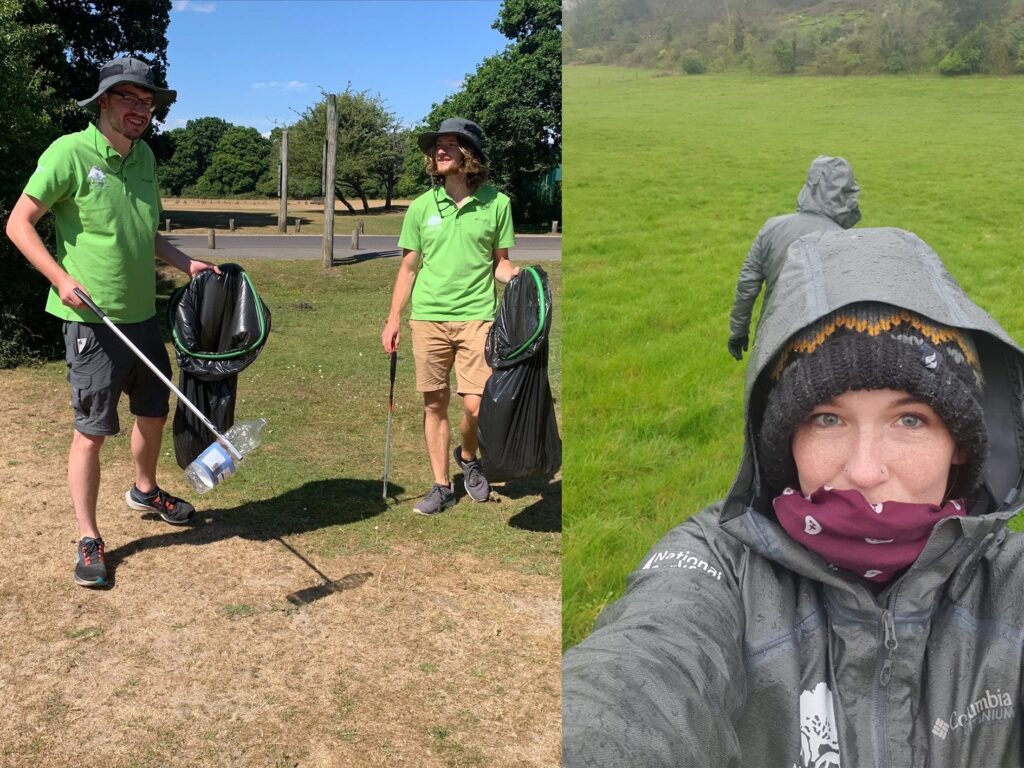
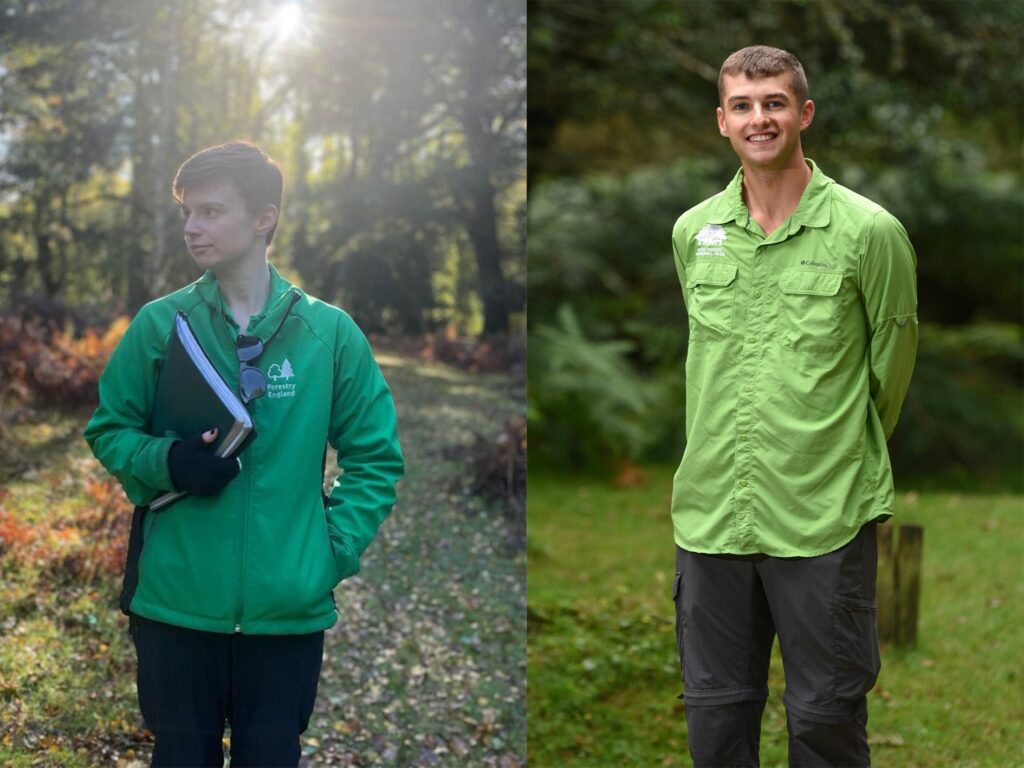
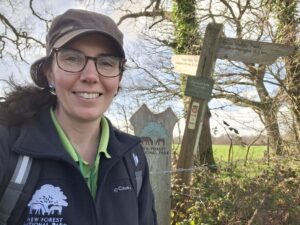
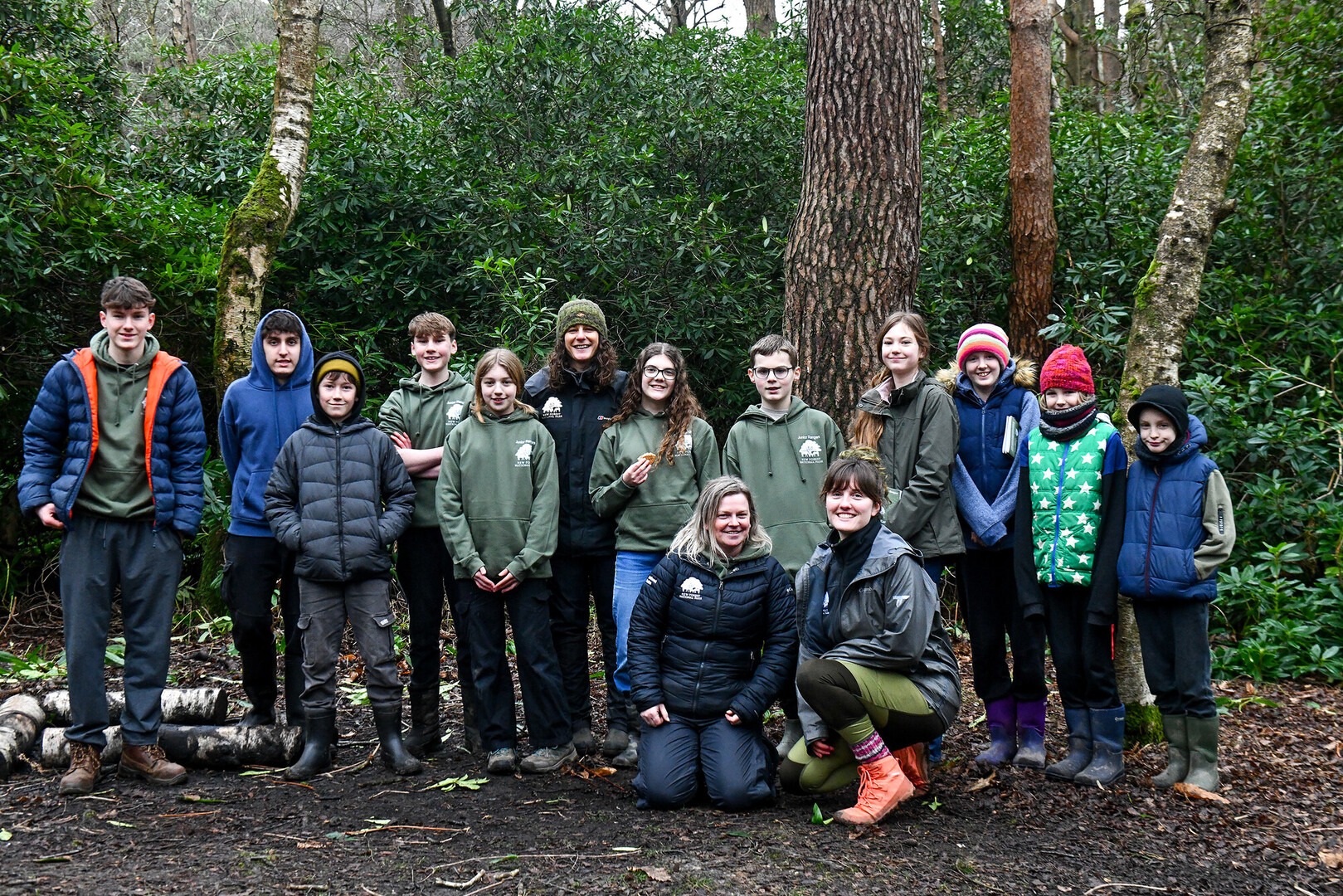
NPA rangers provide a visible and welcoming presence offering information, guidance and practical tips on how to explore the area while helping to protect its unique landscapes, culture and wildlife.
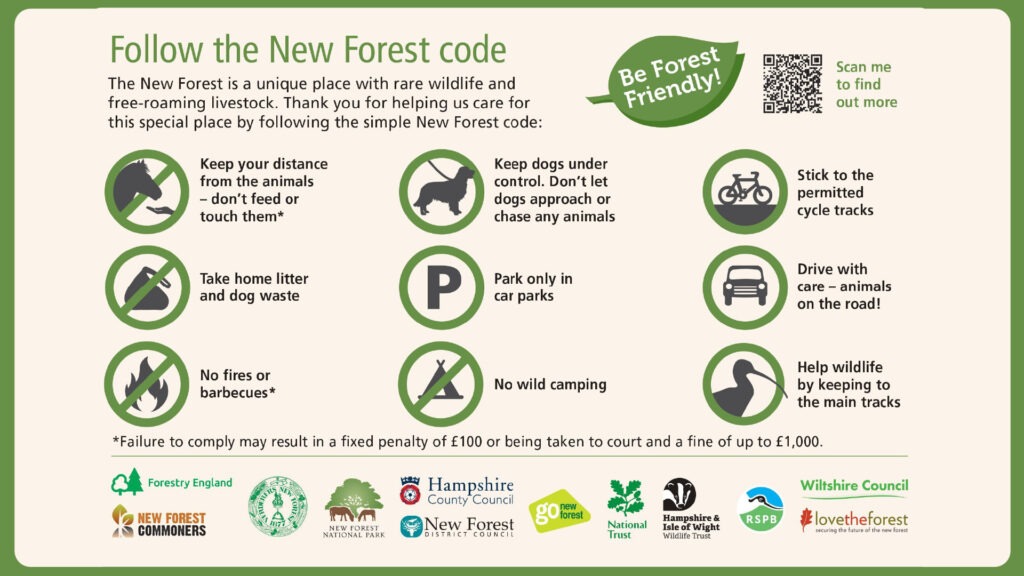
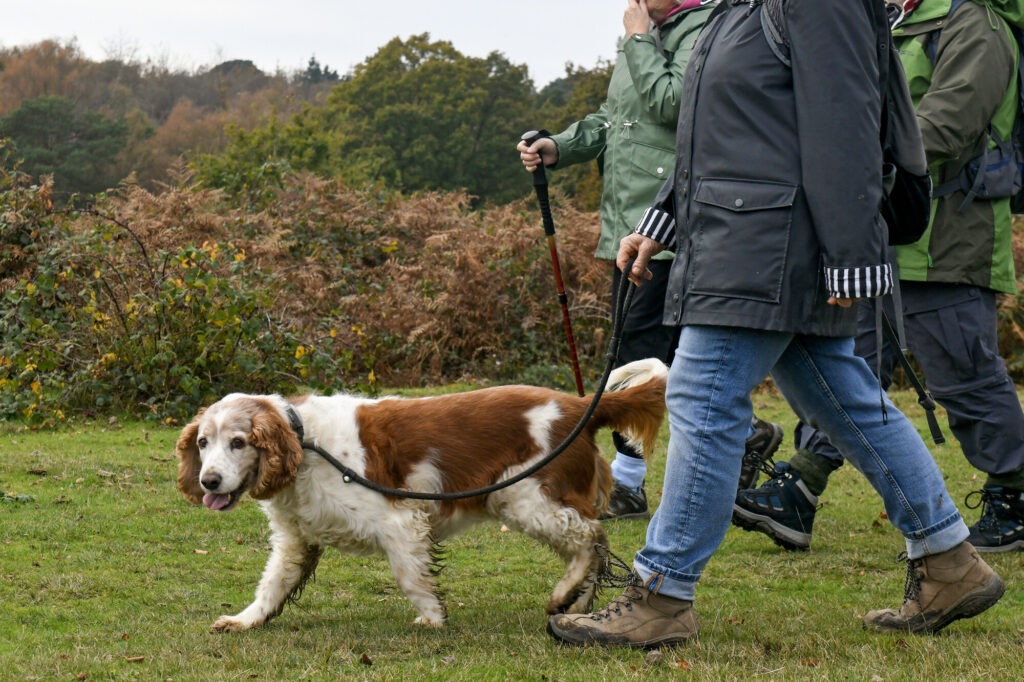
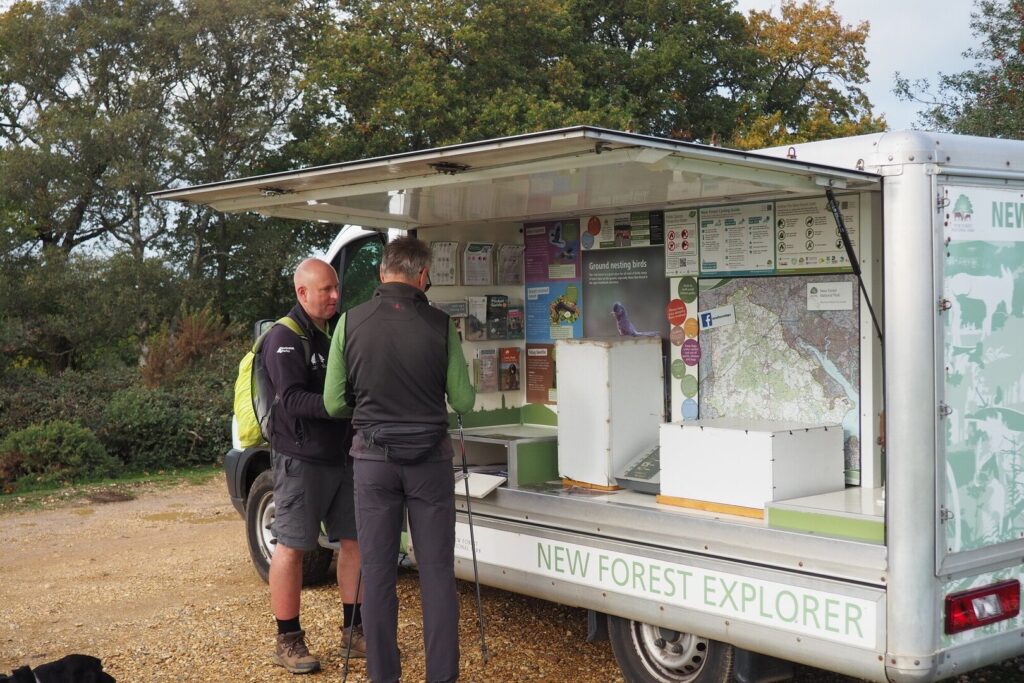
Our rangers attend local events with our mobile information unit, lead guided walks and talks, and can be found out on patrol in key locations. Their role includes promoting the New Forest code and encouraging residents and visitors to enjoy the National Park responsibly, while safeguarding its special qualities for future generations.
As part of Team New Forest, our rangers work closely with partners such as Forestry England, local emergency services, and volunteer groups. Together we deliver seasonal campaigns highlighting aspects of the New Forest code, for example, the importance of avoiding disturbance to ground nesting birds during their breeding season (March through to the end of August). We also work on joint initiatives, including Operation Mountie, which raises road safety awareness to help reduce animal accidents.
The ranger team also supports local communities by distributing literature promoting key ‘caring for the Forest’ messaging to businesses and accommodation providers, and maintaining close links with our Local Information Points.
The heart of the New Forest National Park, with its mosaic of ancient pasture woodland, lowland heath, lawns and wetlands, is recognised as being one of the most important sites for nature conservation in the country and throughout Europe. A significant part of the New Forest National Park is home to rare habitats and species and more than half of the land in the National Park has been designated as a Special Area of Conservation (SAC), a Special Protection Area (SPA), and there are also areas designated as Ramsar sites (wetlands of international importance), giving them protection under the Conservation of Habitats and Species Regulations.
New housing, both within the National Park itself and the surrounding area, can result in more people enjoying time outdoors in the protected landscape. Both the New Forest National Park Authority and neighbouring local authorities consider how all new residential and visitor accommodation development proposals could impact these areas and make sure that they are not negatively affected. Part of this habitat mitigation includes education initiatives that enhance people’s understanding of protected species and vulnerable habitats and encourage responsible recreation.
Some of our rangers are funded by mitigation and they focus on engaging with people who are using, or are likely to use, the designated site for recreation. They operate throughout the National Park and beyond, but especially at locations where there is a high risk of disturbance to rare ground nesting birds and potential harm to protected habitats. The People and Wildlife Ranger post is funded by the New Forest District Council to undertake education and monitoring across the New Forest and promote NFDC Green Way projects as part of its Recreational Mitigation Programme.
'To reduce the risk of damaging wildfires, campfires or BBQs are not permitted in the New Forest.'
Lead ranger Gillie Molland

If you would like to discuss rangers attending your event, request literature or support a community project, please email: rangers@newforestnpa.gov.uk.
Keep your distance from the animals and don't feed or pet them - you may be fined.
Keep your distance from the animals and don't feed or pet them - you may be fined.
Keep your distance from the animals and don't feed or pet them - you may be fined.
Keep your distance from the animals and don't feed or pet them - you may be fined.