Seasonal guidance
What changes do each season bring to the New Forest?
The New Forest National Park is a magical place year-round, each season has its own unique colours, scents and wildlife, but also brings things you should be aware of before you visit. Find out what makes each season special and how to explore it safely.
For seasonal wildlife highlights, check out our things to do page.
Spring
The New Forest is a stronghold for many rare bird species, such as curlew, which nest on the ground between March and August. It’s important to stay on the main tracks and keep dogs under close control to avoid disturbing these important birds and giving their young the best chance of survival.
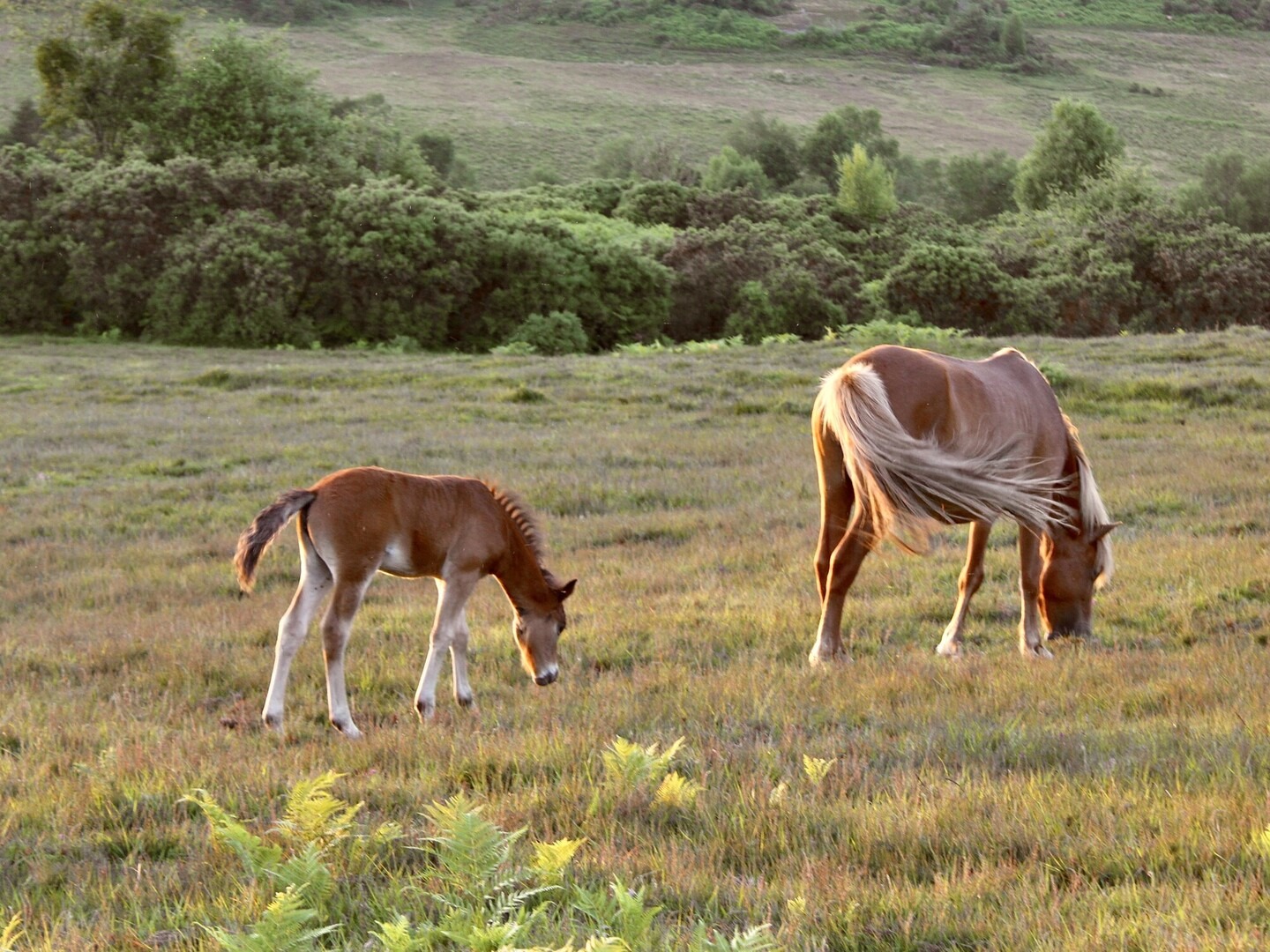
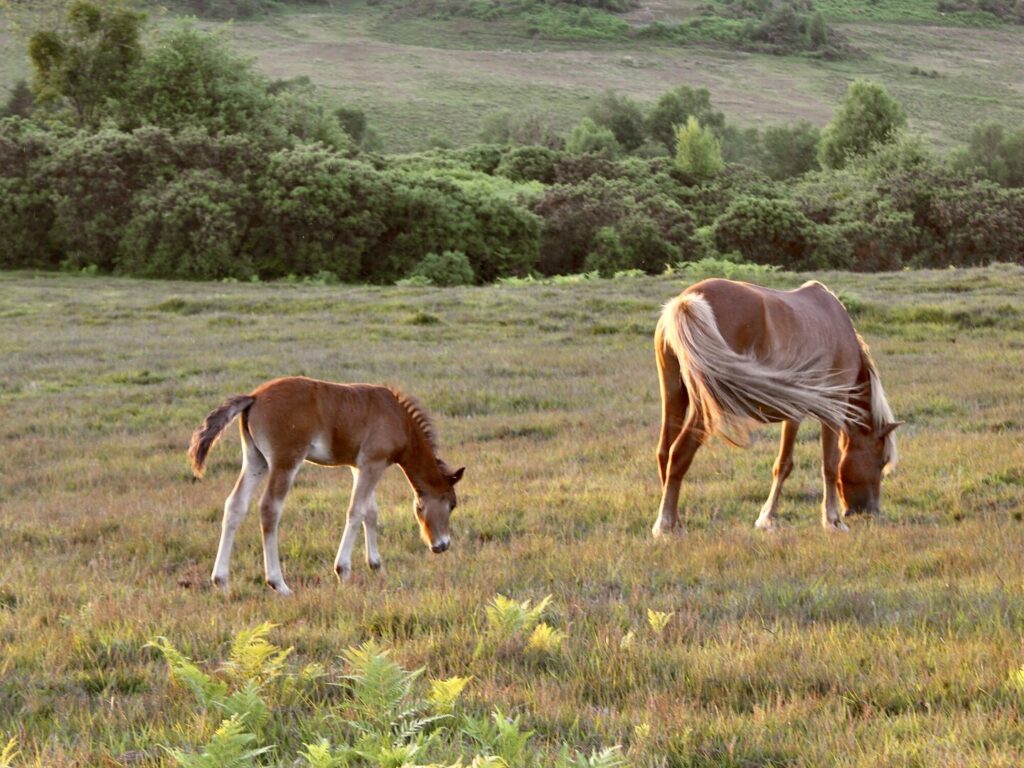
Often seen running rings round their mothers or walking on wobbly legs, New Forest foals are the offspring of the stallions turned out on the Forest the previous summer – they are both sired and born on the Forest. You must keep your distance from them and be wary of their protective mothers. Foals also have no road sense, so drive with extra care.
Ticks are found in the wooded and grassy areas of the New Forest and are most abundant in the late spring and summer. They feed on the blood of passing animals, including humans and sometimes cause serious illness, the most common of which is Lyme disease.
The adder is the only poisonous snake native to Britain. They are not aggressive and will only bite if they are disturbed. In the unlikely event that you get bitten, go to the nearest Accident and Emergency Department.
For more safety information on ticks and adders, see our staying safe page.
Summer
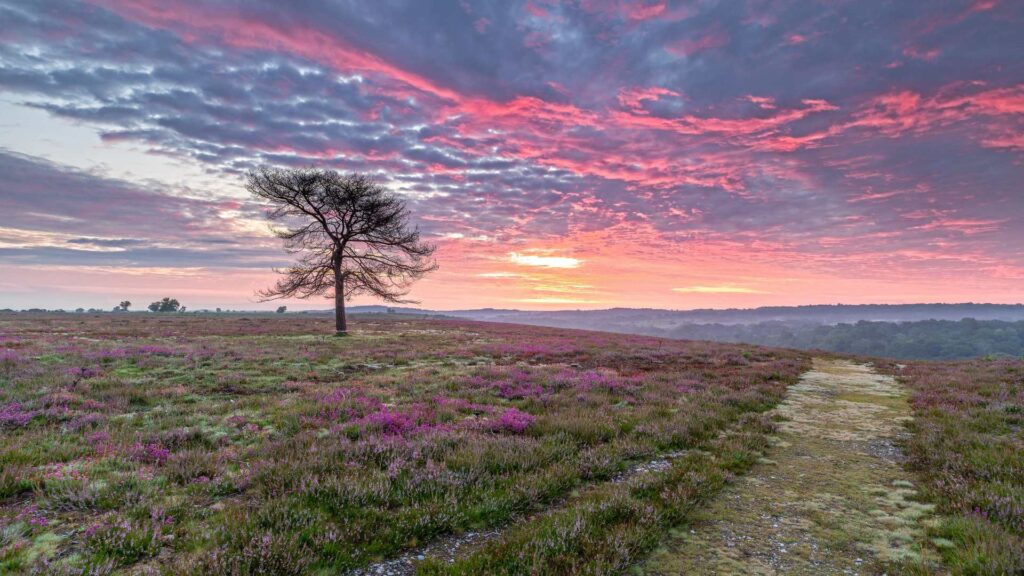
During periods of hot, dry weather, especially in the open areas of heathland, fires could destroy large swathes of internationally-important habitat, kill countless animals and endanger nearby properties. Lighting fires of any type, including BBQs and any outdoor cooking facilities or equipment, and throwing or dropping of items likely to cause a fire, such as lit cigarettes is banned on the open Forest. Find out more on our no fires webpage.
In the summer, stallions are released onto the Forest for a short period of time. Be wary of the erratic behaviour of herds, ponies running across roads, and take extra care if you are riding your own horse.
Baby deer are born at this time of year. If you see one on its own, please leave it and keep your distance; mothers leave the young hidden while they feed and will return periodically, but your scent, or that of your dog, may stop this from happening.
Did you know baby deer are called different things depending on the species? Fallow and muntjac deer have fawns, roe deer have kids, and red and sika deer have calves!
Autumn
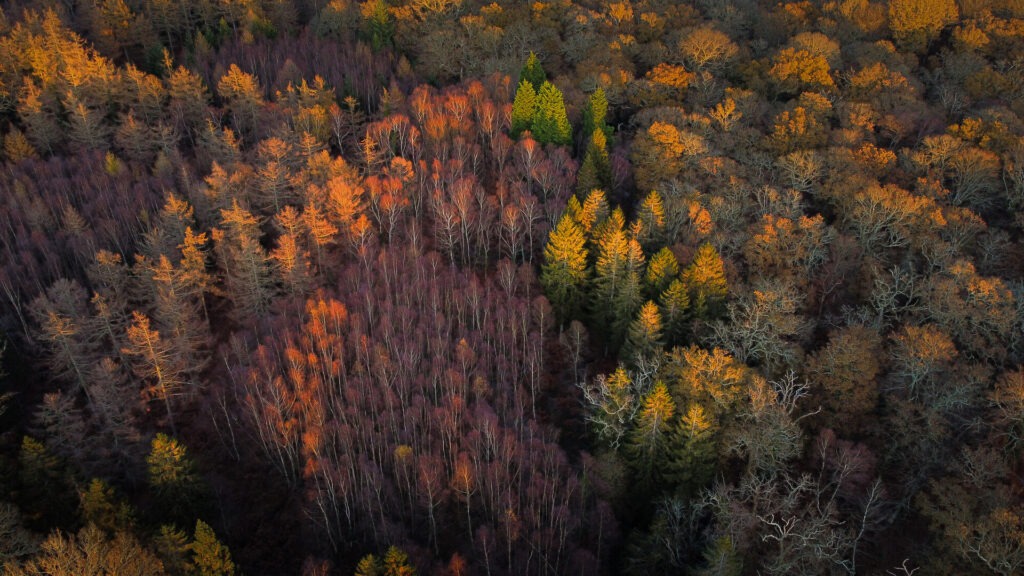
As the longer nights draw in, road accidents involving New Forest livestock reach their peak. Please take extra care when driving in poor visibility, expect animals to be on or near the roads at any time, and pass them wide and slow. Find out more about preventing animal accidents on our webpage.
The Forest is home to five species of deer. During the autumn, they take part in rutting (mating season). Stags use their antlers in fearsome trials of strength and an enraged or injured stag can be a dangerous animal, so please keep your distance.
During this time, you may notice pigs out across the Forest. This is called pannage and is an ancient practice by Commoners whereby pigs are released to hoover up the acorns on the Forest floor, which can be poisonous for ponies and cattle. Please keep your distance and take care when driving.
With an estimated 2,700 species, it’s one of the most important areas for fungi in Britain, as well as a stronghold for many rare and endangered species, and even some still being discovered that are new to science. Fungi are abundant in the autumn and can be very interesting to look at and photograph, but please don’t pick them.
Autumn can also be a time of celebration, but please be mindful of New Forest wildlife when you are celebrating various events. Pumpkins should never be left out on the Forest as they can be harmful to the ponies and other wildlife. See our no fires page for information on fireworks.
Winter
The National Park is a working Forest and crucial maintenance work is undertaken in the quieter winter months. This can involve controlled burning to help regenerate areas of heather and gorse, path clearances and other tasks involving heavy machinery. Please see the Forestry England website for information on these works, including temporary car park closures.
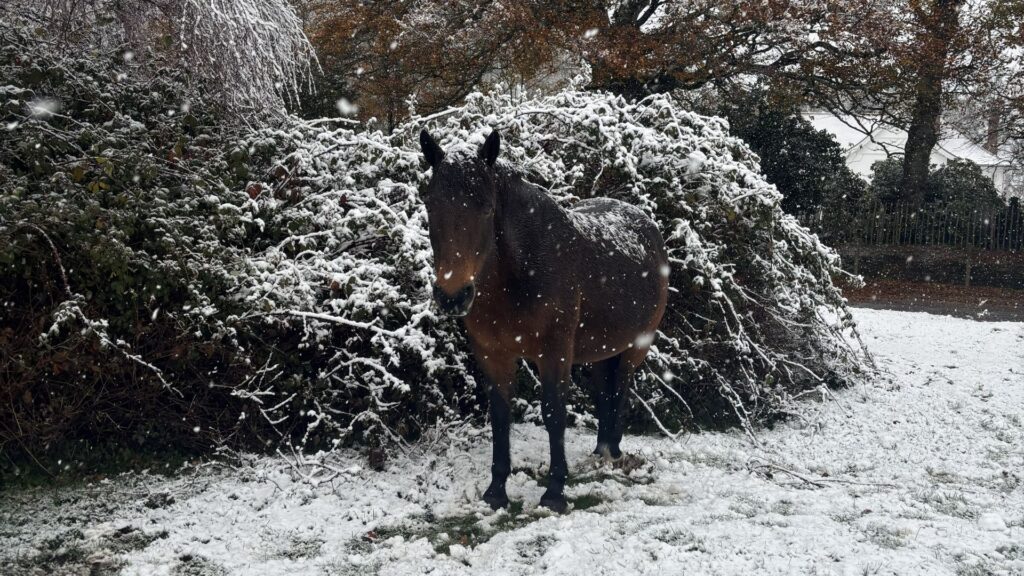
When the temperature drops, the main Forest roads are gritted to ensure motorists can travel safely, however, this also attracts the livestock, which love to lick the salt off the roads. Please drive with care and pass them wide and slow. Salt licks are placed strategically to attract the animals away from the roads, but they may still be there.
The New Forest has 26 miles of coastline, offering a sanctuary for over-wintering birds from Siberia and the Arctic to rest and feed. Please do not disturb these birds and keep dogs under close control when exploring the coast. Find out more about coastal birds here.
Hen harrier are one of the Forest’s rarest and most striking winter visitors. They sleep on the ground among the heathlands from October to April. Stick to the main tracks and keep your dogs under close control in late afternoon and early evening to avoid disturbing them.