
Climate risks to habitats
Our habitats under threat
More than a third of the National Park area is at very high or high risk of habitat loss or damage due to climate change. Find out why they are special, why they are at risk and steps we can and are taking to protect them.
Freshwater and wetland habitats
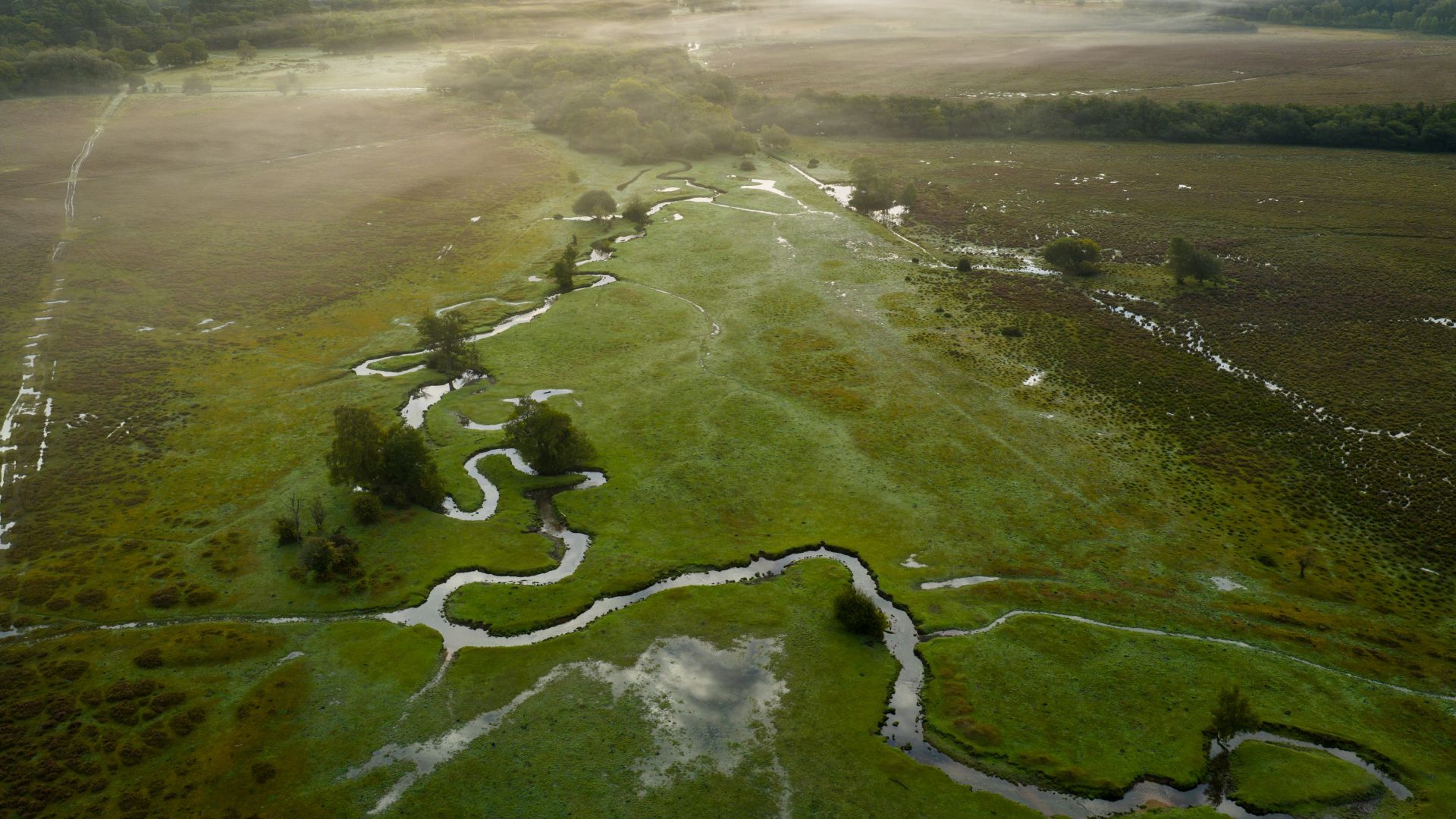
The New Forest is recognised internationally for its wetland and freshwater habitats and species. It is one of the most important freshwater landscapes in the UK, with more species of conservation concern per square kilometre than anywhere else across England and Wales.
New Forest freshwater and wetland habitats are mainly dependent on rainfall and surface run-off for their water supply. So they are very sensitive to climate change, as both average and extreme temperatures are projected to increase, with less rainfall during spring and summer months. Freshwater habitats are home to exceptional biodiversity. Many aquatic species are highly sensitive to temperature and those that don’t have life stages when they can fly have limited abilities to go in search of cooler conditions. Contamination by chemicals and nutrient enrichment mean these habitats are more vulnerable to climate change.
These freshwater systemsstruggle to adapt as they can’t respond to extensive drought and fish and aquatic invertebrate species are sensitive to water temperature changes.
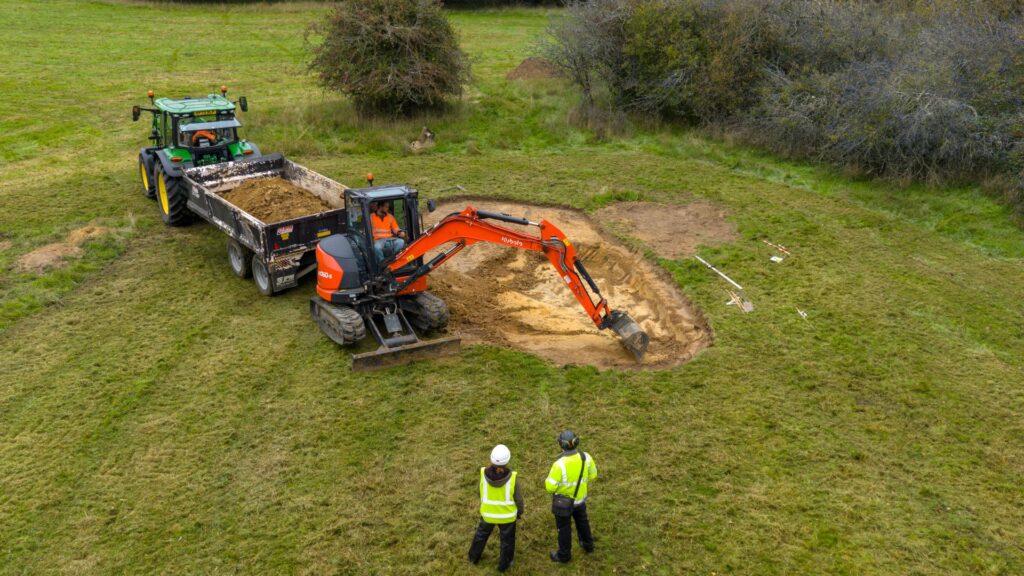
Managing climate risk means more effectively protecting our freshwater habitats from pollution, restoring natural flow wherever possible, retaining or increasing shade and natural features within channels, and creating new ponds and freshwater features across the landscape to increase resilience and connectivity.
New Forest wetlands are already being restored and new ones created through the Higher Level Stewardship (HLS) scheme and the recent Species Survival Fund project.
Heathland habitats
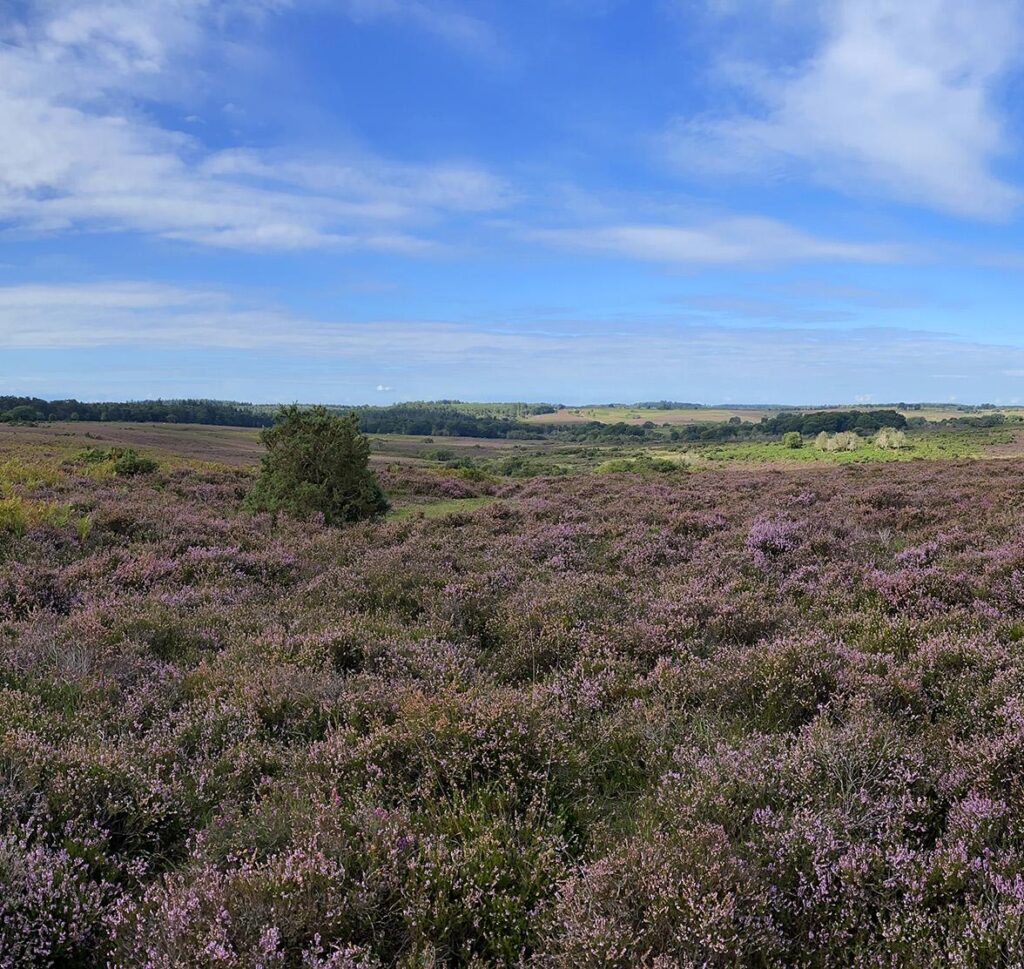
The wet and dry heathlands of the New Forest are nationally and internationally important habitats for birds, reptiles, invertebrates, plants, lichens, and bryophytes. However, they are sensitive to changes in temperature and precipitation.
Wet and humid heaths could become drier under hotter, drier conditions leading to changes in the species found there, and dry heaths could change to dry acid grassland, with consequences for heathland species.
Heaths are also highly combustible and wildfire risks are increasing, particularly in south-east England. Climate change increases the risk of temporary heathland habitat loss.
Reducing existing pressures, such as heathland habitats being fragmented and isolated, restoring natural hydrology, and careful management, all help to make these habitats as resilient as possible to climate change. Forestry England is delivering a programme of large-scale heathland restoration across the New Forest as part of the Higher Level Stewardship scheme and several environmental NGOs and private estates are also responsible for restoring and managing heathland in the National Park.
Woodland habitats
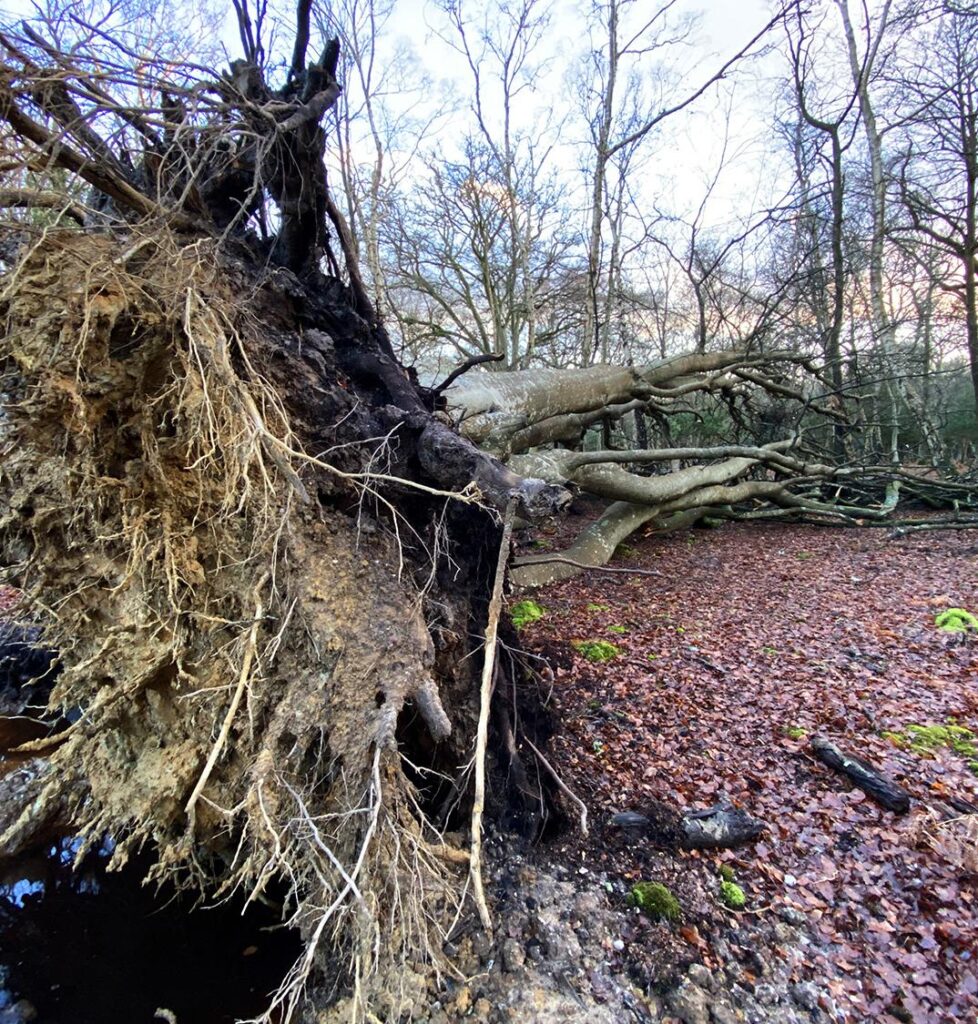
Woodland and trees cover around 36% of the New Forest National Park, the highest proportion of all national parks in the UK. The New Forest is particularly notable for its ancient woodlands and veteran trees, which are important for numerous rare and specialist woodland species. Many of the tree are centuries old with the woodlands themselves being part of the landscape for thousands of years. Due to their age and life histories, ancient woodland sites are culturally and ecologically irreplaceable.
Climate change influences woodland growth and survival rates. Increased temperatures are extending the tree growing season but also create favourable conditions for pests, diseases, and pathogens to thrive. Extreme and unseasonal weather such as droughts and floods increases stress and mortality rates.
Depending on the tree species, some woodland habitats, such as mixed woodland, can have relatively low sensitivity to climate change, whereas woodland dependent on or defined by surface water availability (including wet woodland), or containing species particularly susceptible to temperature changes, have relatively high sensitivity to climate change.
The primary concerns for New Forest woodlands are risks from drought, particularly for shallow-rooted species such as beech and sycamore, and the impacts of pests, diseases, and pathogens. The species composition of New Forest woodlands may change under future warming scenarios.
Supporting woodlands to adapt to climate change needs active management including increasing the structural, age, and genetic diversity, encouraging natural regeneration, and exploring using seeds and saplings of tree species from southern Europe. Opportunities to create new woodlands provide an important pathway to increase the connectivity and size of wooded areas which improves the resilience of these habitats to climate change. The UK Forestry Standard and Forest Research provide information and guidance on managing woodlands in a changing climate and on tree pests and diseases.
Coast and estuary habitats
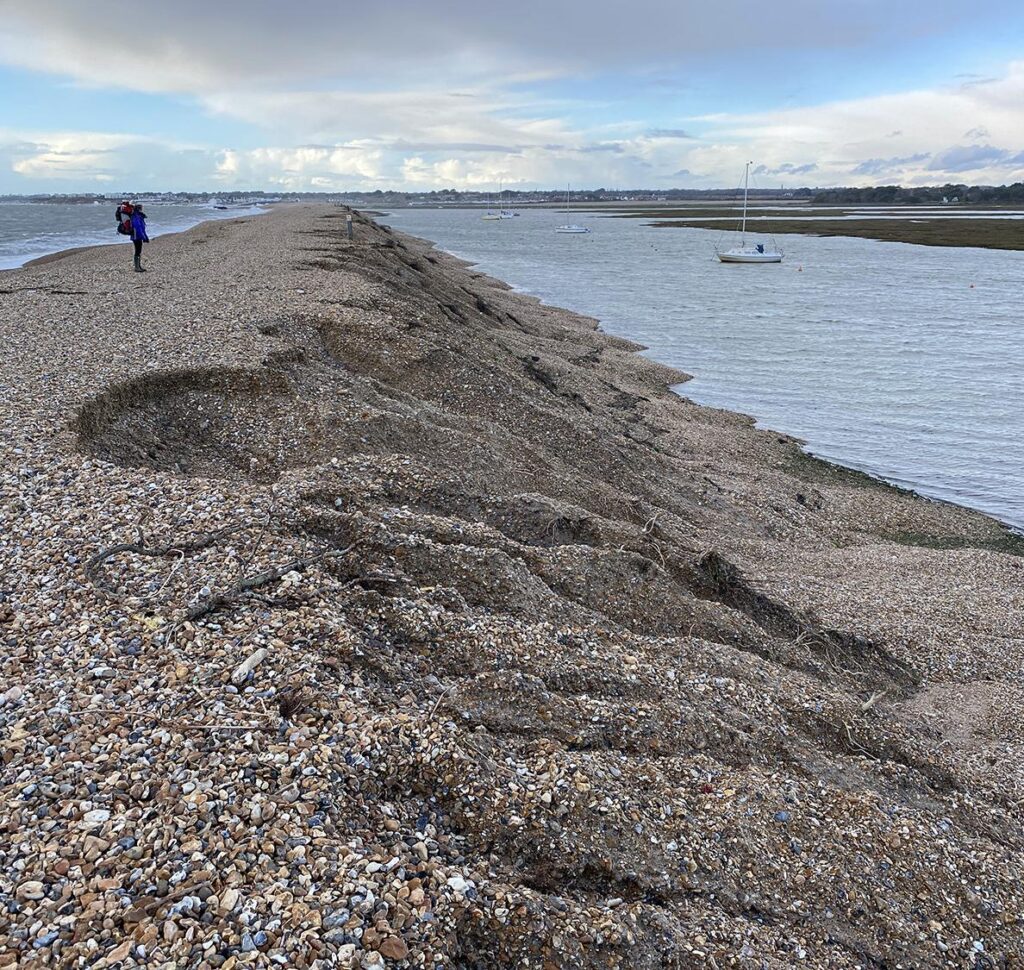
Coastal and estuarine habitats are at risk from sea-level rise, which is linked to increased rates of coastal erosion and coastal flooding.
The New Forest coastline has experienced significant habitat degradation, losing hundreds of hectares of saltmarsh, seagrass, and oyster beds over the recent and historic past.
Climate change threatens all the coastal and estuarine habitats of the New Forest and wider Solent, not only through rising sea level but also from increasing sea and air temperatures and changing patterns of precipitation.
Hotter, drier summers and warmer year-round temperatures are expected to increase recreational pressures on these internationally important sites for wildlife.
Measures to manage climate risks to these habitats include creating space for these habitats to migrate inland and reducing other pressures including recreational disturbance and pollution that limit the ability of these habitats to respond to climate change.
The Solent Seascape project and Hurst Spit to Lymington Strategy are active projects addressing coastal change.
The Channel Coastal Observatory is a source of authoritative scientific information and data on coastal change.
Arable farming, agriculturally improved grassland, horticulture
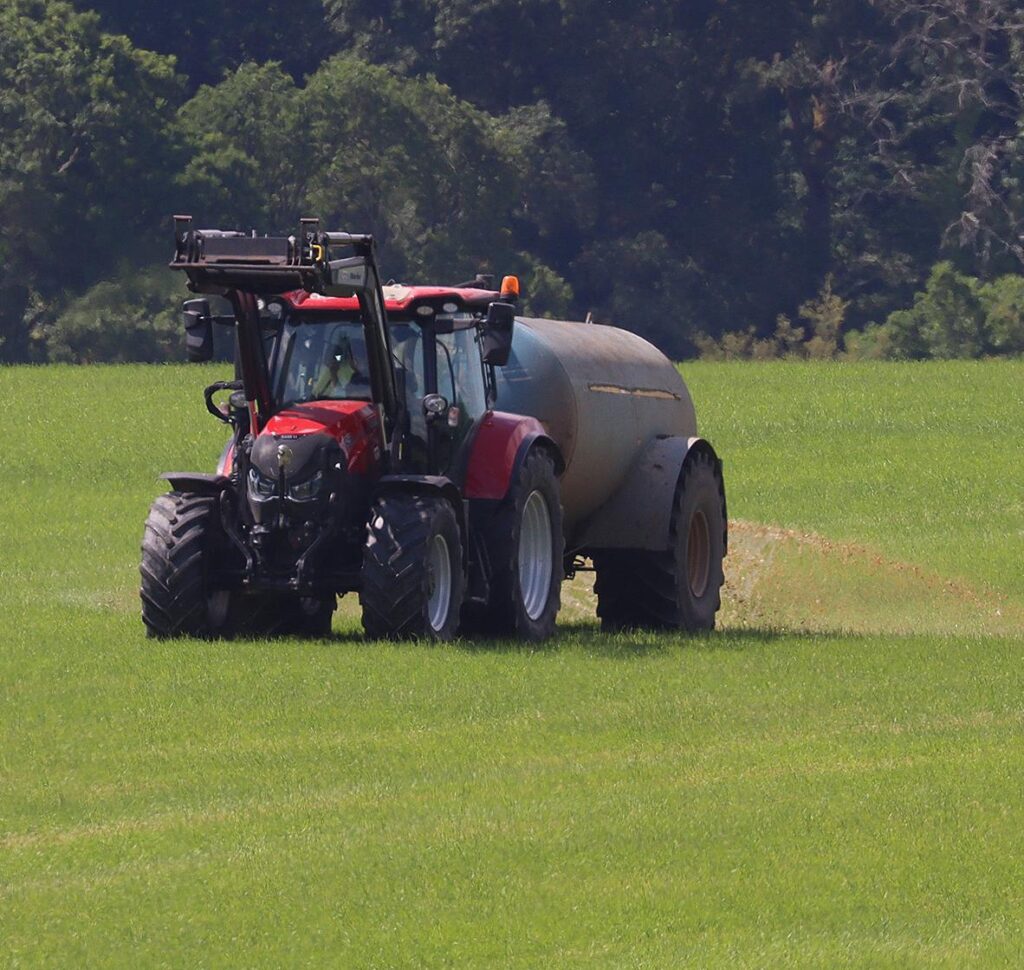
These activities and land used to support equestrian interests, and recreation such as camping and golf, together make up roughly a quarter of the land area of the National Park.
Availability of water is the main climate threat to arable and horticultural production in the UK and the most significant reason for changes in crop yields year-to-year. Extreme events, especially unseasonal or clustered events also increase the risks facing this sector.
Earlier and more prolific grass growth will affect both grazing and silage production. The timing of silage cuts is likely to be affected, which may have knock-on consequences for grass and farmland species. Hot, dry summers will increase demand for water and lead to grasslands and paddocks being parched, reducing productivity and forage available.
Warmer, wetter winters impact field access for cultivation and harvesting, increasing the risk of soil becoming compacted and damaged. An increase in heavy rainfall events could result in direct damage to crops and pasture, increased risks to livestock and damage to infrastructure. Livestock may have to be moved or housed indoors with an extra cost of providing feed.
Many of these habitats, especially intensively grazed and highly modified grasslands deliver the lowest biodiversity and ecosystem value of all habitats in the New Forest. Efforts to improve ecosystem health, such as restoring soils, natural hydrology and above ground biodiversity will also deliver increased resilience to climate change.